Coca-Cola has rolled out a new limited-edition flavor that is already getting attention from soda fans and curious shoppers. The release taps into a familiar orange-and-vanilla taste that many Americans associate with old-school cream treats and summer desserts.
The launch matters because limited-time drinks have become one of the biggest ways major beverage brands drive buzz, trial purchases, and social media chatter. For Coca-Cola, it is also another sign that nostalgic flavors are becoming a serious part of the company’s product strategy.
What Coca-Cola announced

Coca-Cola said it is introducing Orange Cream Coca-Cola as a limited-edition product, giving one of its flagship drinks a flavor profile built around citrus and vanilla. The company is also releasing a zero-sugar version, matching its broader habit of launching major flavors in both regular and no-sugar formats. That move is aimed at reaching both traditional soda drinkers and consumers who want the taste experience without the full sugar content.
The flavor choice is notable because orange cream is instantly recognizable to many US shoppers. It calls to mind ice cream truck bars, fountain drinks, and orange-and-vanilla frozen desserts that have stayed popular for decades. By using a profile that already feels familiar, Coca-Cola appears to be balancing novelty with a lower-risk flavor bet.
Limited-edition launches have become a regular playbook item for the Atlanta-based beverage giant. In recent years, Coca-Cola has tested everything from futuristic concept flavors to nostalgia-driven releases, with mixed reactions from consumers. Some flavors generated strong curiosity but short-lived demand, while others built a longer shelf presence because they felt easier to understand and drink more than once.
A company spokesperson said the new product is meant to offer a playful twist on classic Coca-Cola while connecting with consumers who enjoy comfort flavors. That positioning is important in a crowded beverage market, where shoppers are often willing to try a new product once but may only repurchase if the taste feels both distinctive and familiar.
Why this flavor is getting so much attention
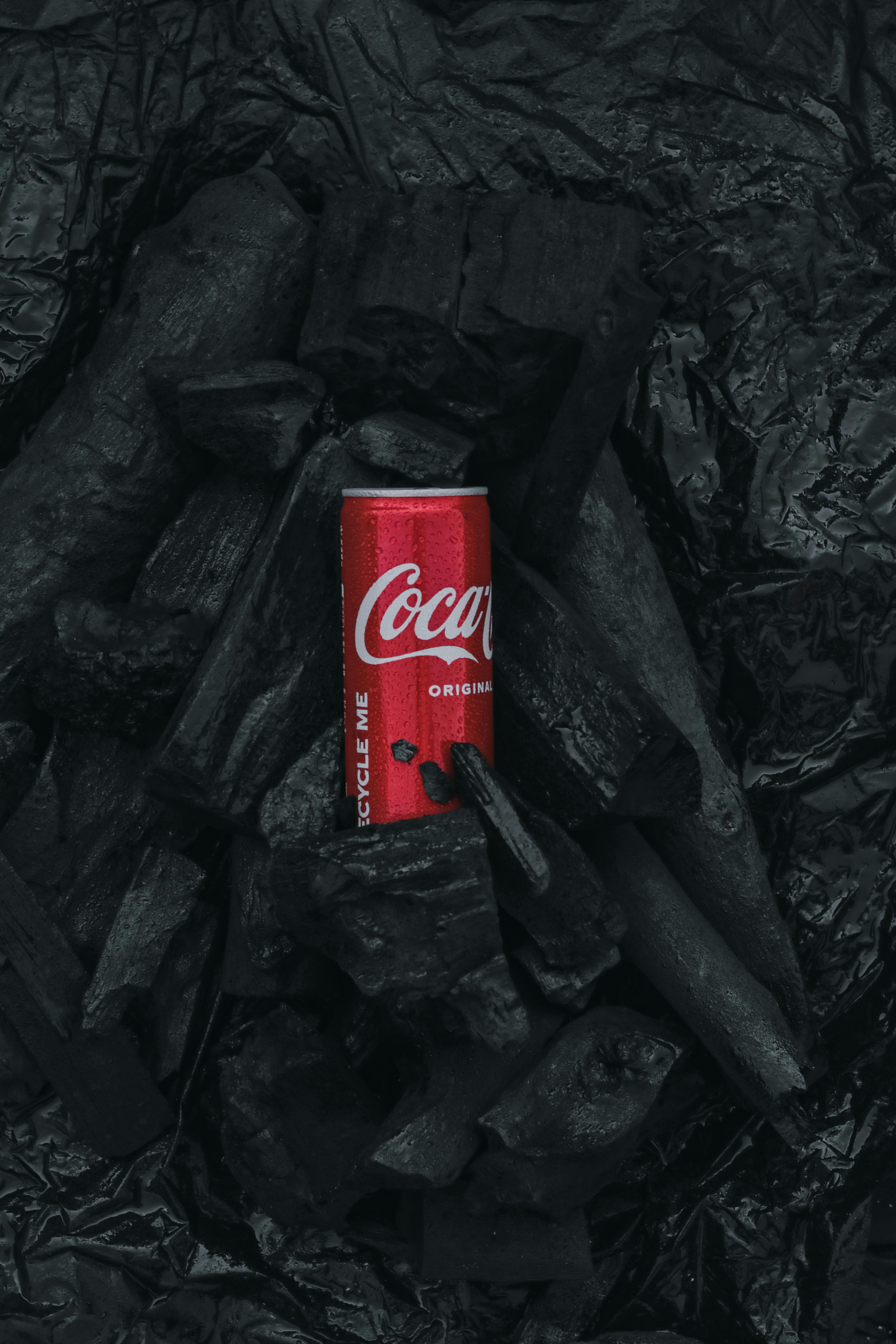
Part of the early interest comes down to timing. US consumers are heading into peak warm-weather months, when cold soft drinks, frozen treats, and fruit-forward flavors tend to get more attention at grocery stores, convenience shops, and fast-food counters. Orange cream also fits neatly into a wider nostalgia trend that has been showing up across snacks, desserts, and beverages.
The flavor profile is broad enough to appeal to different age groups for different reasons. Older consumers may associate it with creamsicles, soda fountain treats, or childhood summer snacks. Younger shoppers, especially those who regularly post food finds online, may simply see it as a fun, colorful flavor mashup worth trying once and reviewing for friends or followers.
That mix of nostalgia and novelty has become a powerful sales tool. Market researchers have repeatedly found that limited-time products can generate urgency even when the item itself is not especially unusual. A familiar but hard-to-get flavor can sometimes outperform a more experimental one because people know what they are buying and still feel they are getting in on something special.
There is also the Coke factor. Any new flavor attached to one of the world’s most recognizable soda brands gets instant visibility, whether shoppers discover it in a supermarket cooler or hear about it from TikTok, Instagram, or food-focused media. Even consumers who do not usually seek out flavored colas often pay attention when Coca-Cola adds a temporary new twist to its core lineup.
What it means for Coca-Cola and the soda market

For Coca-Cola, the release is about more than a single product. It is part of a larger strategy in which legacy brands stay relevant by moving faster, rotating in limited-time offerings, and giving shoppers more reasons to revisit the shelf. Instead of relying only on classic Coke, Sprite, and other established labels, beverage companies are treating flavor drops almost like entertainment events.
That strategy reflects real pressure in the US drinks market. Soda remains a massive business, but it competes with energy drinks, flavored waters, ready-to-drink coffees, sports beverages, and functional products that promise added benefits. In that environment, even a giant company like Coca-Cola has to keep finding ways to stand out in a crowded refrigerator case.
A limited-edition flavor can do several jobs at once. It can attract lapsed soda drinkers, encourage impulse purchases, and create a low-risk way for the company to test whether a flavor deserves a longer future. If the drink performs well in stores and online chatter stays strong, Coca-Cola gains useful data about which taste profiles connect with consumers right now.
The orange cream move also signals something broader about where mainstream soda flavors may be headed. Instead of betting only on extreme or unconventional concepts, big beverage makers appear increasingly interested in flavors that are easy to explain, rooted in familiar dessert memories, and broad enough to work across regular and zero-sugar versions. That can make a launch feel more approachable for everyday shoppers.
What shoppers can expect next
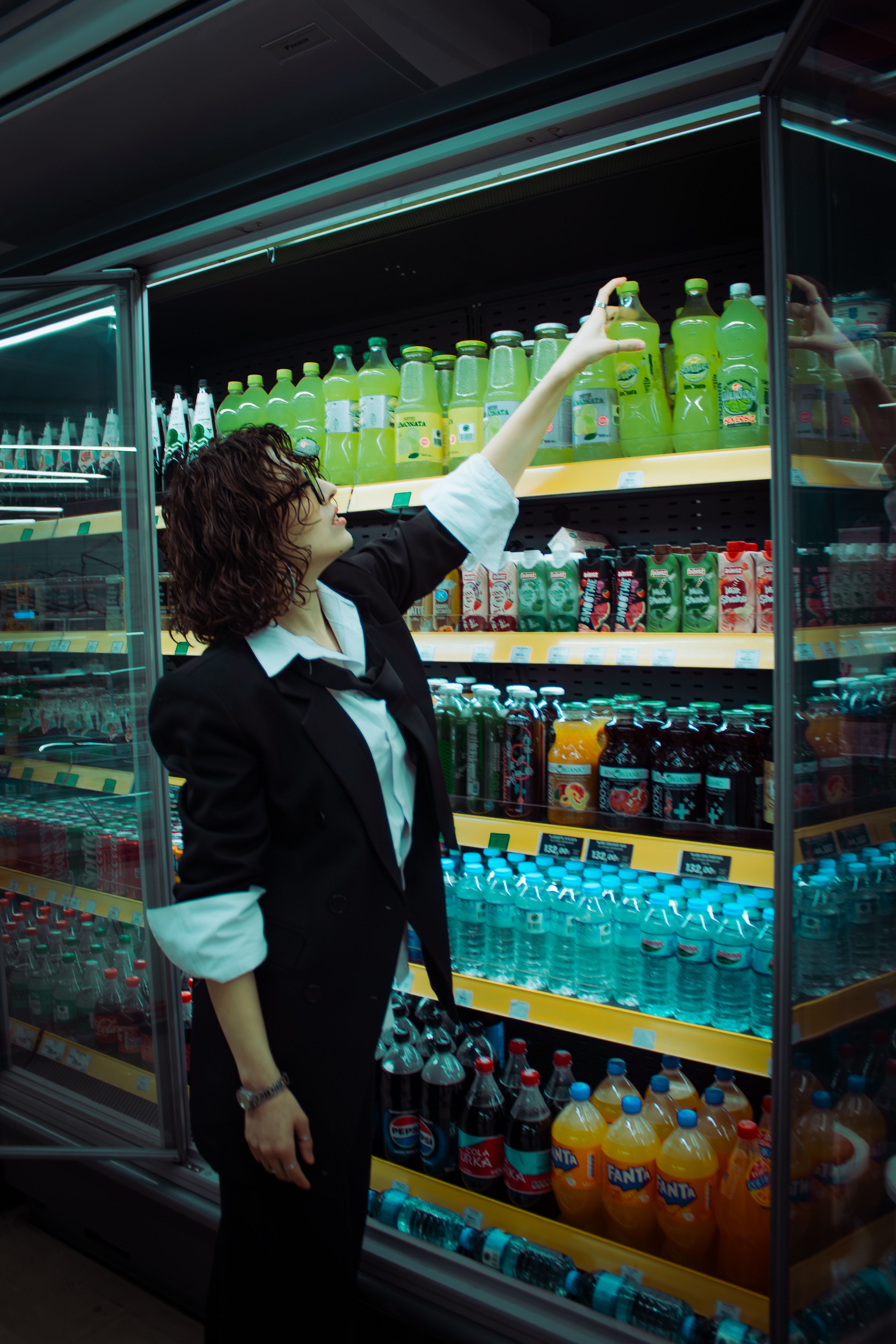
Consumers should expect the product to appear in the kinds of retail channels where limited-time beverage launches typically perform best, including supermarkets, mass retailers, and convenience stores. Availability can vary by region and store timing, especially in the early weeks of a rollout. That uneven distribution often adds to the buzz because shoppers start actively hunting for the drink once they see others post about it.
Pricing is likely to track closely with other premium soda line extensions rather than dramatically undercut or exceed standard Coca-Cola products. The bigger point for shoppers is not cost but scarcity. Limited-edition branding tends to push people to buy sooner, sometimes picking up multiple packages in case the flavor disappears quickly.
Whether Orange Cream Coca-Cola becomes a brief curiosity or a bigger hit will depend on repeat purchases, not just first impressions. Plenty of novelty drinks get one burst of excitement and then fade once consumers move on to the next new thing. If this one sticks longer in the conversation, it will probably be because the taste delivers on the promise of nostalgia without overwhelming the classic cola base.
For now, the launch gives Coca-Cola another high-visibility chance to prove that familiar comfort flavors can still feel new. In a market full of constant experimentation, that may be the safest kind of risk a soda company can take. And for shoppers, it is a simple proposition: a classic brand, a nostalgic flavor, and a limited window to decide whether it is worth the hype.