California’s food tax rules already split groceries from prepared foods in ways that confuse shoppers across the U.S. In California, one of the clearest examples is a state rule that can add 33% more sales tax to sliced fruit sold through a vending machine than to whole fruit sold the same way, based on California Department of Tax and Fee Administration guidance and a recent report that renewed attention on the policy.
A vending machine rule with a specific tax split

The California Department of Tax and Fee Administration states in Regulation 1574 that cold food products sold through vending machines are generally taxed at 67% of the normal sales price, while hot prepared food and certain other items are taxed at 100% of the price. For a retailer in a city with a 10.25% sales tax rate, that means tax on a cold item is effectively about 6.87% of the full price, versus 10.25% on a fully taxable item.
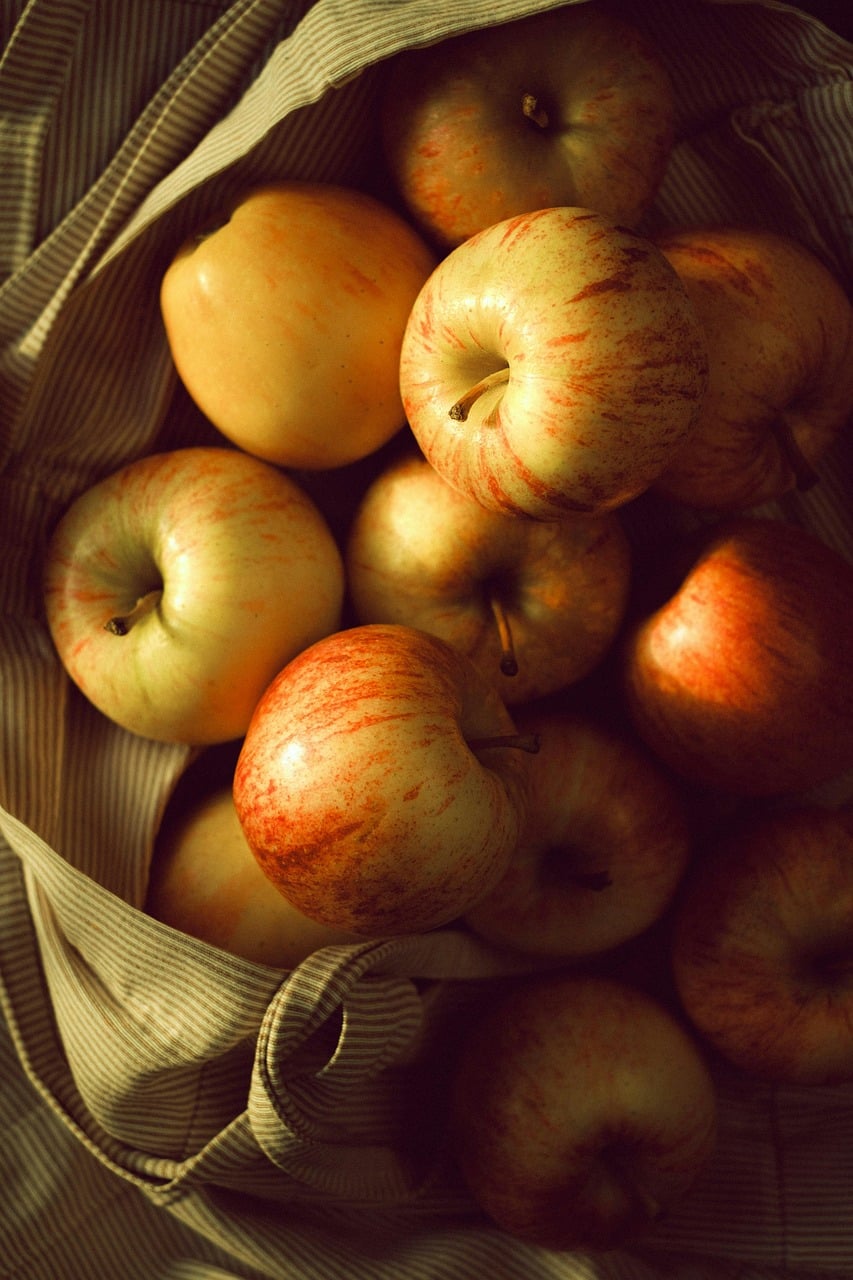
That matters for fruit because whole apples, oranges, and bananas sold in vending machines can qualify as grocery-type cold food. Cut fruit, fruit bowls, and similar ready-to-eat items may be treated differently when they are considered prepared food under state guidance. The distinction has circulated widely since early 2024, when news coverage and social posts highlighted the pricing gap using examples from California vending sales.
What it means in California, and what is still unclear
The confirmed piece is the tax framework, not a statewide list of products. The CDTFA has published the vending machine formula, but it has not released a comprehensive list of every sliced-fruit product or vending operator affected across California’s 58 counties. Tax outcomes can also vary by local sales tax district, with combined rates differing from one city to another.
In practical terms, a customer buying a sealed banana cup in Los Angeles County could see a different tax treatment than someone buying whole fruit in the same machine bank, depending on how the seller codes the item. California’s statewide base sales tax rate is 7.25%, and local add-ons push many communities higher. The issue is especially noticeable in airports, office buildings, schools, and transit hubs where vending machines are common.
Why the state draws the line at sliced fruit

California’s sales tax system has long treated basic groceries differently from prepared foods, according to CDTFA publications and retailer guidance. Once food is cut, packaged, and sold ready to eat, the state can view it as a convenience or prepared product rather than an exempt staple. Vending machine rules add another layer by using the 67% formula for many cold items and full-price taxation for others.
For customers, that means the same fruit can be taxed differently based on form and point of sale, not just ingredients. The policy does not create a separate “fruit tax,” and state guidance frames it as a classification issue inside existing sales-tax law. Unless California changes the regulation or lawmakers revise the statute, vending operators will continue applying tax based on how each product is categorized under current CDTFA rules.