

A new hot dog item is headed to store shelves, and people are already talking about it. Oscar Mayer’s latest limited-edition release is designed to feel familiar, unusual, and very much aimed at curious shoppers.
The product matters because it shows how one of America’s best-known meat brands is continuing to test how far its hot dog identity can stretch. It also taps into a bigger retail trend, where food companies are turning nostalgia and surprise into short-run launches that can quickly grab attention.
What the new item is and why people are noticing

Oscar Mayer is best known for classic hot dogs, bacon, and deli meats, but in recent years the Kraft Heinz-owned brand has also leaned into novelty releases tied to its famous name. The newest limited-edition hot dog item is arriving as another example of that strategy, giving fans something that feels rooted in the brand while also standing apart from the company’s standard refrigerated lineup.
While the company has not treated the launch like a core product expansion, the limited-run approach is part of what is making people pay attention. Shoppers often react strongly to foods that are only around for a short time, especially when those products play with a familiar American staple. In this case, the combination of a household name and a hot dog-inspired concept is enough to trigger both excitement and skepticism.
That curiosity has been easy to spot on social media and in early consumer chatter, where reactions tend to fall into two camps. Some people see the release as a fun seasonal or collectible buy, while others want to know whether it is genuinely good or simply a stunt. That tension is common with limited-edition food launches, especially when a legacy brand pushes into territory that feels more playful than practical.
From a retail standpoint, these launches can still deliver value even before shoppers taste the product. They create conversation, encourage impulse purchases, and bring extra attention to the brand’s traditional offerings nearby on the shelf. For a company with Oscar Mayer’s recognition, even a small special-edition release can generate outsized interest if it feels new enough to cut through a crowded grocery aisle.
A bigger strategy built on nostalgia, surprise, and shelf appeal
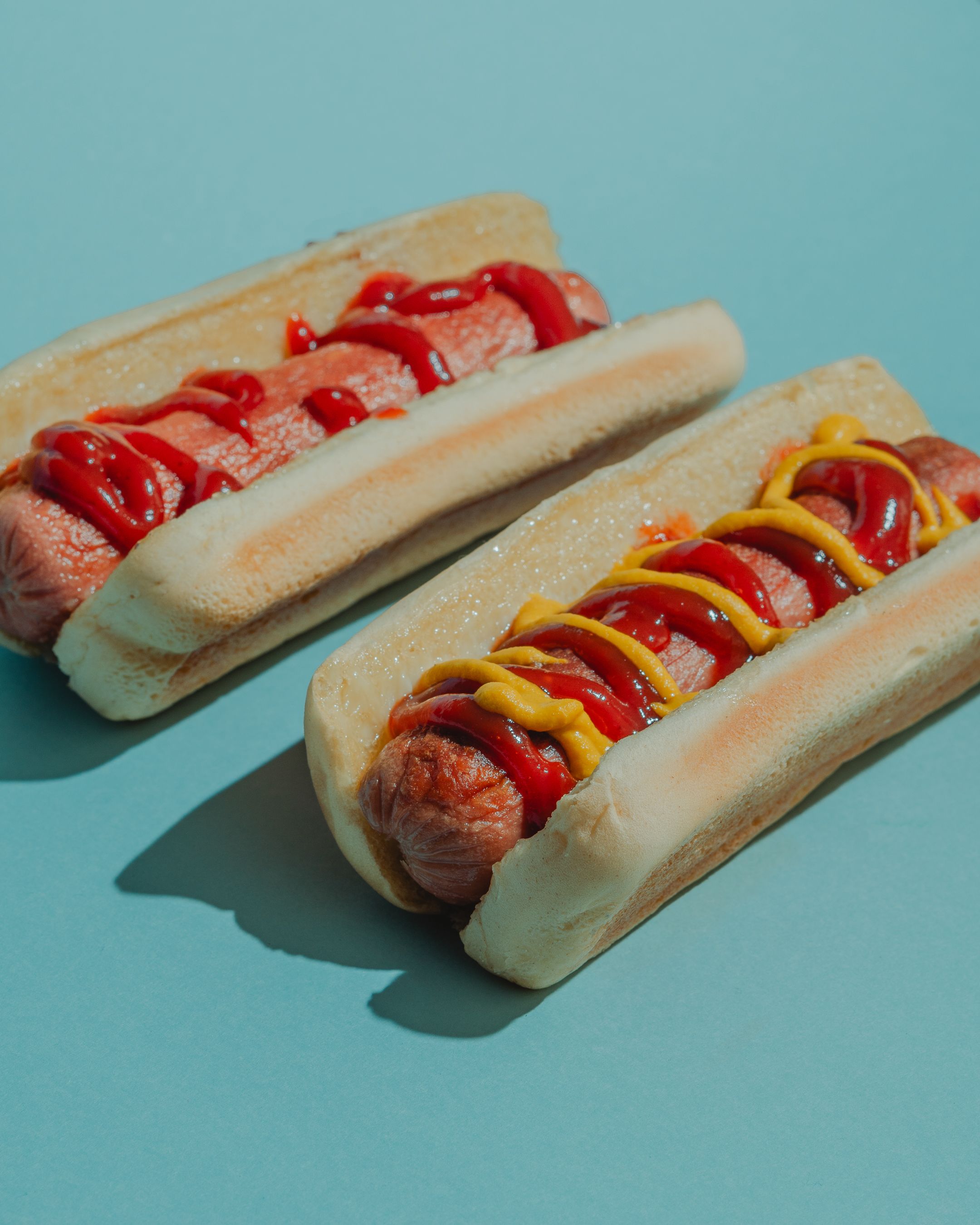
The new item does not appear in a vacuum. Oscar Mayer has spent the past several years reminding consumers that its hot dog image can extend beyond the usual cookout pack, using novelty products and collaborations to keep the brand in the public conversation. That approach works particularly well in the US, where hot dogs carry strong associations with summer, family gatherings, baseball, and convenience.
Limited-edition products have become a reliable tool across the food business because they offer low-risk experimentation. A company can test demand, earn media coverage, and energize loyal customers without committing to a permanent nationwide rollout. If the response is strong, the launch can lead to a repeat release, a wider expansion, or a related product later on.
For consumers, the appeal is pretty simple. People like familiar flavors and brands, but they also like being surprised. A hot dog-themed item from Oscar Mayer can feel instantly understandable while still raising a basic question at the same time: is this something I actually want to buy? That question is a big part of the marketing value, because curiosity often moves products off shelves faster than routine interest does.
Retailers also benefit when a recognizable brand introduces a novelty item with a clear talking point. Grocery buyers are constantly looking for products that can stand out in crowded sets and give shoppers a reason to pause. A limited-edition launch tied to one of the most recognizable names in American packaged meats gives stores a chance to capitalize on that pause, even if the product itself is only available for a brief window.
Why limited-edition food launches are landing with shoppers now

This kind of release is arriving at a time when grocery shoppers are balancing caution with small indulgences. Food prices remain an important issue for many households, but consumers still make room for inexpensive treats and conversation-starting purchases. A limited-edition item can fit that mindset well because it feels like a low-commitment way to try something new without spending heavily.
There is also a social element at work. Food products now travel quickly through group chats, short videos, and casual posts, which means unusual launches can build momentum fast. A shopper may see a product online in the morning and look for it at the store that same day. For brands, that compressed reaction window makes novelty launches more powerful than they were a decade ago.
Hot dogs in particular occupy a unique place in the American food landscape. They are affordable, widely recognized, and strongly tied to memory. That makes them an ideal base for limited-edition branding, because almost everyone immediately understands the reference. When a company plays with that image, it is not just selling a product. It is selling a familiar idea with a twist.
Industry analysts have long noted that nostalgia-based food marketing tends to perform best when it is easy to understand and easy to try. A product does not need to become a permanent hit to succeed. It only needs to generate enough interest to move inventory, increase foot traffic, or strengthen brand identity. By that measure, a curious response from fans may be exactly what Oscar Mayer is hoping for.
What happens next as the product reaches stores

The real test will come once shoppers can find the item consistently in stores and decide whether curiosity turns into repeat demand. Limited-edition products often get a strong first burst from early adopters, but staying power depends on taste, price, availability, and whether the concept feels worth buying more than once. In many cases, the first wave of interest is driven by novelty, while the second depends on actual satisfaction.
For Oscar Mayer, the stakes are not necessarily about creating a blockbuster category winner. The brand already has deep recognition in core meat products, so even a short-lived release can still work if it keeps the name visible and reinforces its cultural relevance. In a crowded packaged food market, that kind of attention can be valuable on its own.
Fans, meanwhile, are likely to keep approaching the launch with a mix of humor and genuine interest. That is often the sweet spot for novelty food releases. People may joke about the product, question it, and still buy it anyway. Once it starts appearing in more stores, word of mouth will probably determine whether it becomes a brief curiosity or one of those limited-edition launches people still talk about months later.
What is clear now is that the release has already done one important thing before many shoppers have even tried it. It has made people stop and pay attention. For a brand built on one of the most familiar foods in the country, that alone is a meaningful result, and it shows why limited-edition hot dog products continue to spark outsized interest.


