A longtime Costco employee has offered a simple guide to what she believes is actually worth buying at the warehouse chain. After 10 years on the job, she says the best picks are the ones that combine price, quality, and reliable use at home.
The list stands out because it comes from someone who spent years around Costco’s inventory, pricing changes, and customer habits. For shoppers trying to keep grocery bills in check, her seven repeat buys offer a practical snapshot of where bulk shopping can still pay off.
Rotisserie chicken remains the easy value play
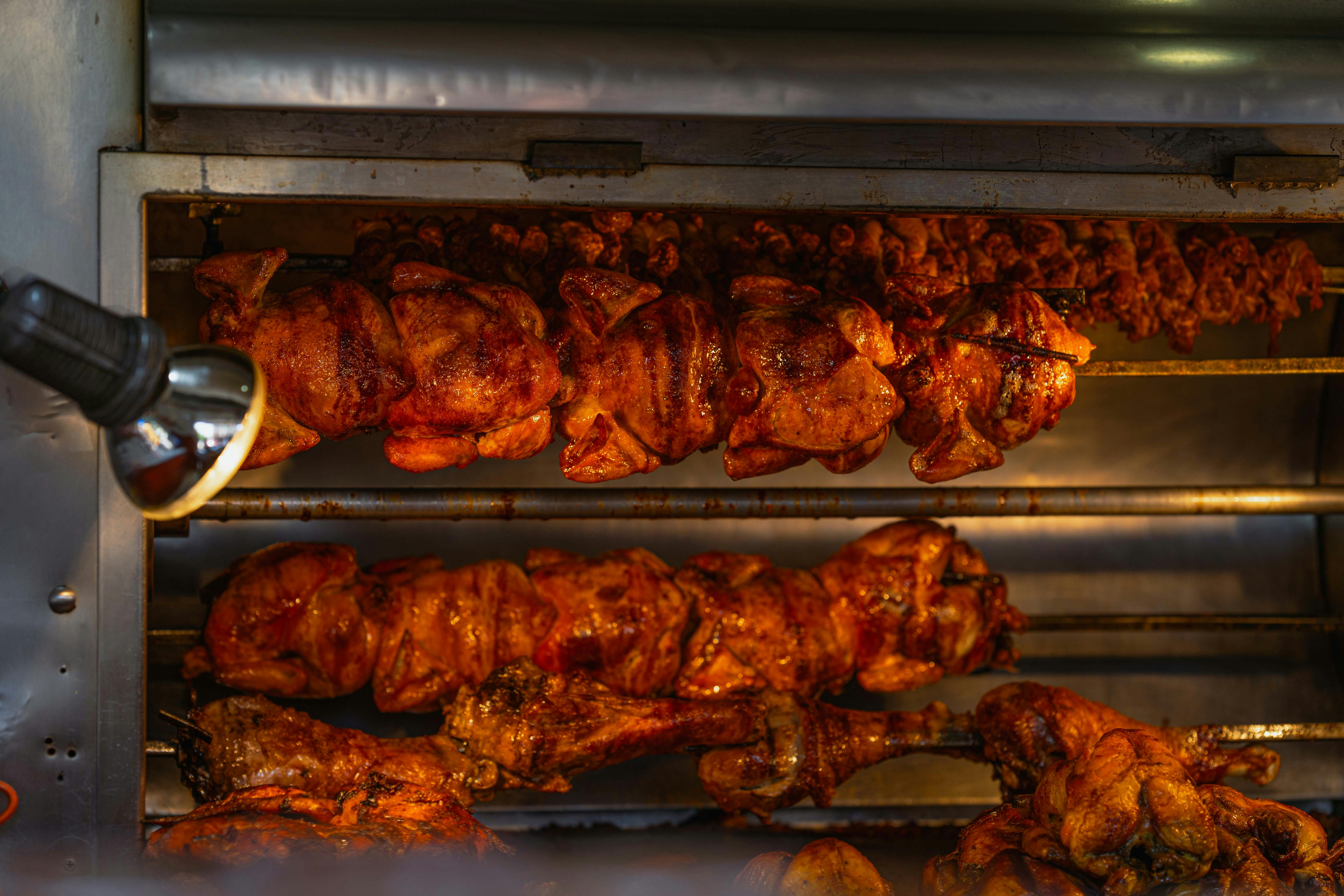
The first item on her always-buy list is Costco’s rotisserie chicken, one of the chain’s most recognized food staples. It remains a standout because it is ready to eat, widely available, and often treated by shoppers as a low-cost meal shortcut for busy nights.
Costco’s rotisserie chicken has long been sold at $4.99 in most U.S. locations, a price point that has become part of the retailer’s reputation for value. Industry analysts have often pointed to the product as a traffic driver that helps bring customers into the warehouse, even when profit margins are tight.
For families, the appeal is straightforward. One chicken can stretch into multiple meals, from dinner the first night to soups, sandwiches, tacos, or salads later in the week. That kind of flexibility matters at a time when many consumers continue to watch food spending closely.
Her pick lines up with what many shoppers already report. The product is familiar, dependable, and easy to work into a regular meal plan without much extra prep.
Kirkland Signature olive oil is a pantry staple

Another item she says she consistently buys is Costco’s olive oil, sold under the Kirkland Signature label. Pantry basics can be easy to overlook, but this is the kind of product warehouse shoppers often target because the per-ounce cost can compare favorably with standard grocery stores.
Olive oil has also become one of the more closely watched items in food retail because global supply pressures have pushed prices higher in recent years. Drought conditions and lower harvests in major producing regions have affected costs, making value-focused options more important for regular home cooks.
A longtime employee’s endorsement matters here because it suggests the item is not just cheap in bulk, but useful enough to justify the larger bottle. For households that cook often, olive oil is a frequent purchase, and buying it at a lower unit price can add up over time.
The recommendation also reflects a broader Costco shopping strategy. Staples that are used steadily, rather than occasionally, tend to make the most sense in warehouse-sized packaging.
Eggs make sense when households use them regularly
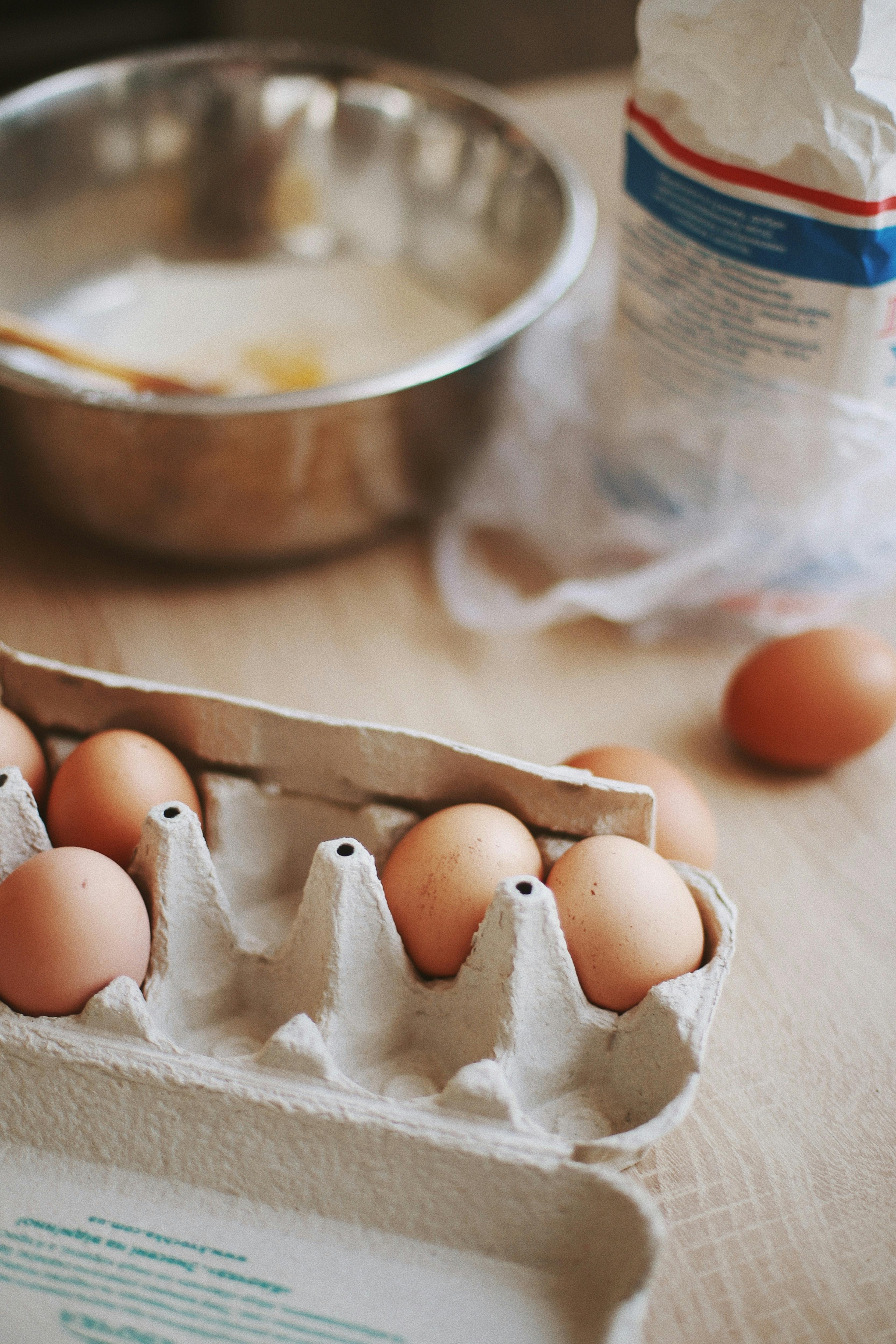
Eggs are also on her list, a notable pick because they are among the most price-sensitive items in many American grocery budgets. Costco has been a go-to stop for shoppers looking for larger quantities, especially in periods when egg prices spike at traditional supermarkets.
The economics of eggs can change fast. Outbreaks of avian influenza, feed costs, and supply disruptions have all influenced pricing in recent years, and that has made comparison shopping more important for consumers trying to manage weekly spending.
Her advice appears to come with an implied caveat familiar to experienced Costco shoppers: bulk only works if the food will actually get used. For larger families, households with frequent breakfast routines, or people who bake often, eggs are an easy product to move through before freshness becomes an issue.
That practical logic is part of why this choice resonates. It is less about novelty and more about a product many people buy constantly, making any savings feel meaningful.
Cheese is one of the strongest bulk buys in the store

Cheese made her list as well, another classic Costco category where shoppers often look for savings on larger packages. Whether it is shredded cheese, sliced cheese, or block varieties, dairy is one of the sections where members frequently compare value against neighborhood grocery chains.
For many households, cheese is a near-daily item used in lunches, pasta dishes, casseroles, snacks, and breakfasts. That routine use is important because warehouse shopping works best when products are consumed steadily enough to avoid waste.
The employee’s recommendation fits with consumer behavior seen across the warehouse club sector. Items with a long enough refrigerated life and broad everyday use tend to be the products shoppers feel best about buying in bigger quantities.
It also speaks to a wider inflation-era pattern. When food prices stay elevated, consumers often become more intentional about stretching ingredients across multiple meals, and cheese is a versatile ingredient for that approach.
Frozen fruit offers convenience without the rush to use it

Frozen fruit is another item she says she always buys, and it is a choice that reflects both value and convenience. Unlike fresh produce, frozen fruit gives shoppers more time to use what they buy, reducing the risk that part of the package will spoil before it gets eaten.
That matters for Costco’s business model, where larger pack sizes can be either a money-saver or a source of waste depending on the product. Frozen foods tend to solve that problem because they can be portioned out over weeks rather than days.
For consumers, frozen berries, mango, or mixed fruit can be used in smoothies, oatmeal, yogurt bowls, or baking. The product is especially appealing to families trying to keep fruit on hand without making several grocery trips a week.
Her recommendation highlights one of the clearest warehouse shopping rules. Shelf-stable or freezer-friendly staples often deliver the strongest balance between price, practicality, and low waste.
Nuts fit the Costco model for frequent snackers

Nuts also made the cut, another category where buying in bulk can make financial sense if the household eats them often. Almonds, mixed nuts, pistachios, and walnuts are commonly stocked at Costco, and they tend to be products that shoppers notice because grocery store prices can be relatively high.
Nuts are often used in more than one way. They can work as snacks, salad toppings, baking ingredients, or additions to oatmeal and trail mix, which helps justify the larger package size for many homes.
The employee’s pick reflects a practical view of warehouse shopping rather than a trendy one. Costco tends to be most useful when shoppers focus on items they already consume regularly instead of novelty buys that look attractive in the store but sit untouched at home.
That kind of discipline is especially relevant now. Consumers across the U.S. are still balancing convenience, nutrition, and budget, and nuts check several of those boxes at once.
Coffee rounds out a list built on everyday use
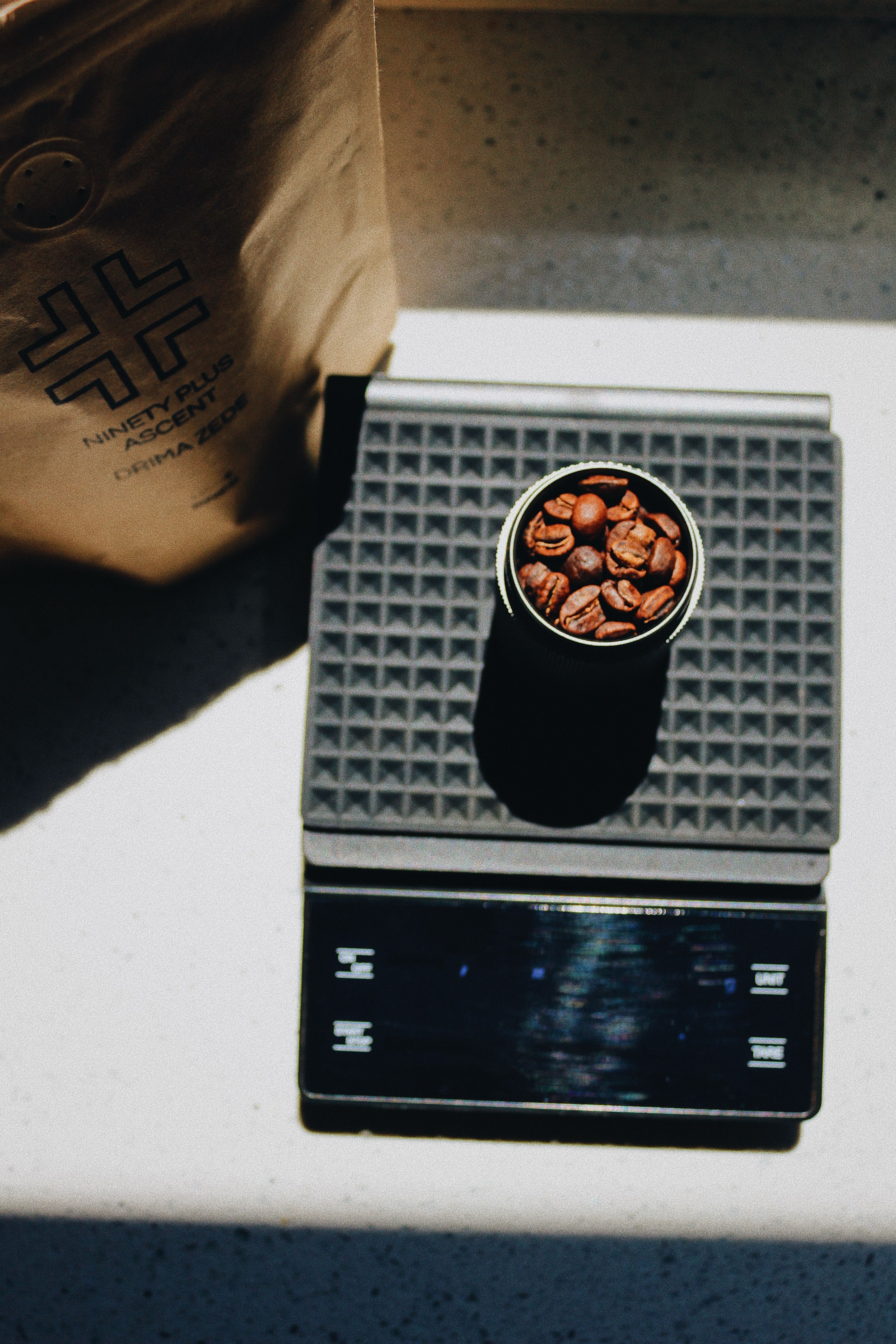
The final item she says she always buys is coffee, a product that many Costco members already treat as a core pantry purchase. For regular coffee drinkers, unit pricing matters, and larger bags can offer better value than smaller packages sold at many supermarkets.
Coffee prices have faced pressure from weather issues, crop concerns, and supply chain shifts, which has kept the category in focus for shoppers trying to protect everyday routines without overspending. In that environment, reliable warehouse pricing can make a noticeable difference over the course of a month.
What ties her full seven-item list together is not trendiness but repetition. Rotisserie chicken, olive oil, eggs, cheese, frozen fruit, nuts, and coffee are all products with familiar demand and clear household use.
That is likely why the advice has struck a chord. Instead of promising secret hacks, it points shoppers back to a simpler Costco formula: buy what you use often, compare the unit price, and let the warehouse work for your real life.