

A lot of home cooks still rinse raw chicken out of habit. Food safety experts say that is exactly what people should stop doing.
The answer, according to chefs and public health agencies, is simple but unpopular: do not wash raw chicken before cooking it. The reason matters far more than tradition, because rinsing poultry can splash bacteria onto sinks, faucets, countertops, utensils, and nearby food.
Why experts say washing chicken is the wrong move
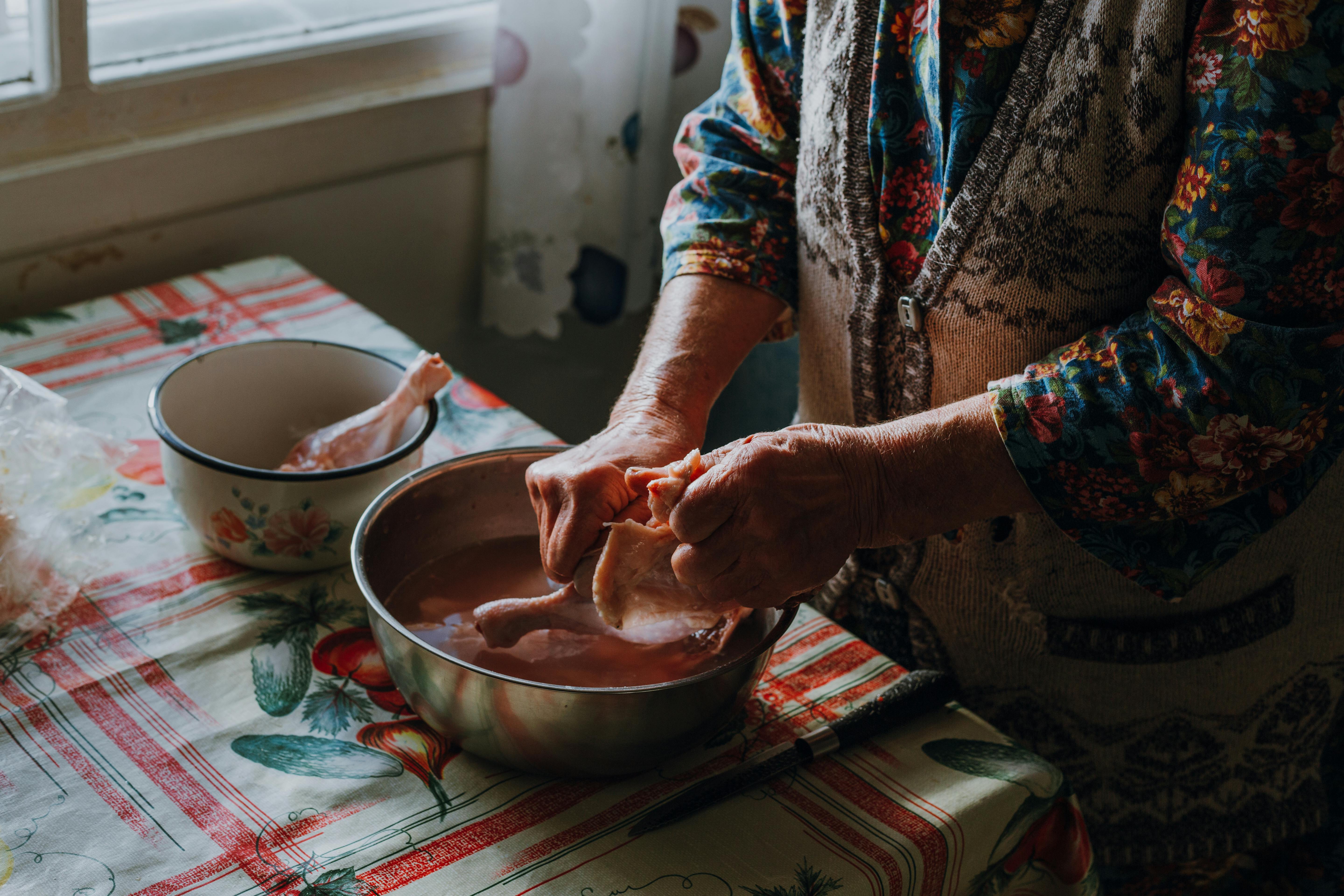
The guidance is not new, but it keeps coming up because many Americans learned the opposite at home. The U.S. Department of Agriculture has long advised consumers not to wash raw poultry, and the Centers for Disease Control and Prevention has echoed that warning. Both agencies say washing chicken does not remove bacteria in any meaningful way, because germs are destroyed by proper cooking, not by a quick rinse under the tap.
That message has also been repeated by chefs who focus on kitchen safety. In professional kitchens, raw chicken is handled carefully, kept cold, and cooked to a safe internal temperature, rather than rinsed. Food safety specialists say the main problem with washing is not the chicken itself, but where the water goes after it hits the meat. Tiny droplets can travel farther than many people realize, contaminating the work area in seconds.
USDA testing has illustrated that risk in practical terms. In a widely cited food safety observation study, people who washed raw poultry were more likely to spread bacteria around the sink and kitchen surfaces. Even when participants tried to clean up afterward, contamination still showed up in places that could later touch ready-to-eat foods like salad, fruit, or bread. That is why the advice frustrates many people. It runs directly against a habit that feels clean, even though experts say it creates more danger.
What actually makes chicken safe to eat

For people who grew up hearing that chicken must be rinsed to remove slime, blood, or packaging residue, the expert answer can sound unsatisfying. But food safety guidance is based on temperature, cross-contamination control, and handwashing, not appearance. If raw chicken looks wet or has extra liquid in the package, experts recommend patting it dry with paper towels only if necessary, then throwing those towels away immediately and washing hands well.
The key safety step is cooking chicken to 165°F as measured with a food thermometer. At that temperature, harmful bacteria such as Salmonella and Campylobacter are killed. Those two germs are among the most common causes of foodborne illness tied to poultry in the United States. Symptoms can include diarrhea, fever, stomach cramps, nausea, and vomiting, and severe cases can be dangerous for young children, older adults, pregnant women, and people with weakened immune systems.
Food safety educators also stress separation. Raw chicken should be kept away from produce, cooked foods, and anything that will not be heated again. That means using a separate cutting board if possible, cleaning knives and counters with hot soapy water after contact, and washing hands for at least 20 seconds after touching raw poultry or its juices. In other words, the real work happens around the chicken, not under the faucet.
Why the myth has lasted for so long

Part of the confusion comes from culture, family practice, and the way people define clean cooking. In many households, rinsing meat was taught as a basic step, sometimes alongside vinegar, lemon juice, or salt. For some cooks, skipping that step can feel careless or unfinished. Chefs and safety experts have had to address not just a cooking technique, but a deeply familiar ritual that has been passed down for generations.
There is also a visual problem. Raw chicken can come out of a package looking slick, and many people assume running water must improve it. Experts say that reaction is understandable, but misleading. Bacteria cannot be seen, and rinsing does not sanitize the surface. In fact, if contaminated droplets land on the edge of the sink or a nearby sponge, the kitchen can become less safe even if the chicken goes straight into the pan.
Surveys over the years have shown that poultry washing remains common among consumers despite repeated warnings. Food safety messaging has improved, but habits in the kitchen are often sticky. People tend to trust what a parent or grandparent showed them more than a label on a package. That is one reason chefs who explain the science in plain language often get attention when the topic resurfaces. They are translating a government recommendation into a familiar kitchen rule: leave the chicken alone and focus on cooking it properly.
What home cooks should do instead

The practical advice is straightforward. Take the chicken out of its package, place it on a clean surface or pan, season it if you want, and cook it thoroughly. If excess moisture affects browning, blot the surface with disposable paper towels, discard them, and clean the area right away. That approach reduces splashing and keeps the task controlled.
Home cooks should also pay attention to cleanup order. After handling raw chicken, wash hands, then clean any surfaces, utensils, or faucet handles that may have been touched. Sanitizing the sink area matters if raw juices dripped there during prep. Reusable kitchen towels should be washed after contact with raw poultry, and sponges should be replaced or disinfected regularly because they can hold bacteria.
For anyone still tempted to rinse, experts return to the same bottom line: cooking, not washing, is what makes chicken safe. The advice may annoy people who have done it another way for years, but it is backed by the same food safety principle used across restaurants, test kitchens, and public health guidance. In a home kitchen, skipping one step can actually make dinner safer. That is the frustrating part for many cooks, but it is also the clearest answer the debate has produced.


