Federal scrutiny of infant formula marketing has shaped a sensitive corner of the food industry for years. That spotlight narrowed in 2017 to Mead Johnson, the baby formula maker behind Enfamil, after the company gave $500,000 to President Donald Trump’s inaugural committee and then saw the U.S. Department of Justice drop a case against it. The sequence drew fresh attention because both events were documented in federal records and campaign finance filings.
The donation and the DOJ move
Mead Johnson Nutrition gave $500,000 to Trump’s inaugural committee, according to Federal Election Commission records reviewed by multiple national outlets in 2017. The company was one of a relatively small group of corporations that donated at that level for the January 20, 2017 inauguration. Mead Johnson was based in the Chicago area at the time and was later acquired by Reckitt Benckiser in June 2017 for about $16.6 billion.
On May 11, 2017, the Justice Department filed to dismiss a False Claims Act lawsuit involving Mead Johnson, according to court filings in federal court. The case had challenged the company’s marketing of Enfamil LIPIL under the WIC program, the federal nutrition program for women, infants, and children. Reuters reported at the time that the government had declined to intervene earlier and later moved to dismiss the matter.
The court record confirms the timing of the dismissal filing, but it does not establish a link between the donation and the DOJ action. Mead Johnson said in past statements that it complied with applicable laws and marketing rules. Public filings from 2017 do not show any admission of wrongdoing by the company in connection with the dismissed case.
What this meant in the places WIC reaches families

The case mattered beyond Washington because WIC serves families in every state, including large infant nutrition markets such as Texas, California, Florida, and Illinois. The U.S. Department of Agriculture reported that WIC served about 7.3 million participants per month in fiscal 2017. Infant formula contracts tied to WIC are financially important because they can influence shelf space and brand visibility in grocery and pharmacy chains.
What is confirmed is that the dismissed lawsuit involved allegations related to WIC reimbursements and formula labeling, not a product recall or contamination issue. There was no federal announcement in May 2017 directing stores to pull Enfamil products from shelves in any state. Mead Johnson did not release any list of affected retailers because the case centered on government reimbursement claims, not consumer distribution.
For families buying formula in 2017, the court action did not change product availability in local stores based on the public record. No state WIC agency publicly announced a suspension of Mead Johnson contracts tied to the dismissal filing that month. The practical impact was mostly legal and administrative, with the biggest immediate changes occurring in court rather than at checkout counters.
Why the case drew attention
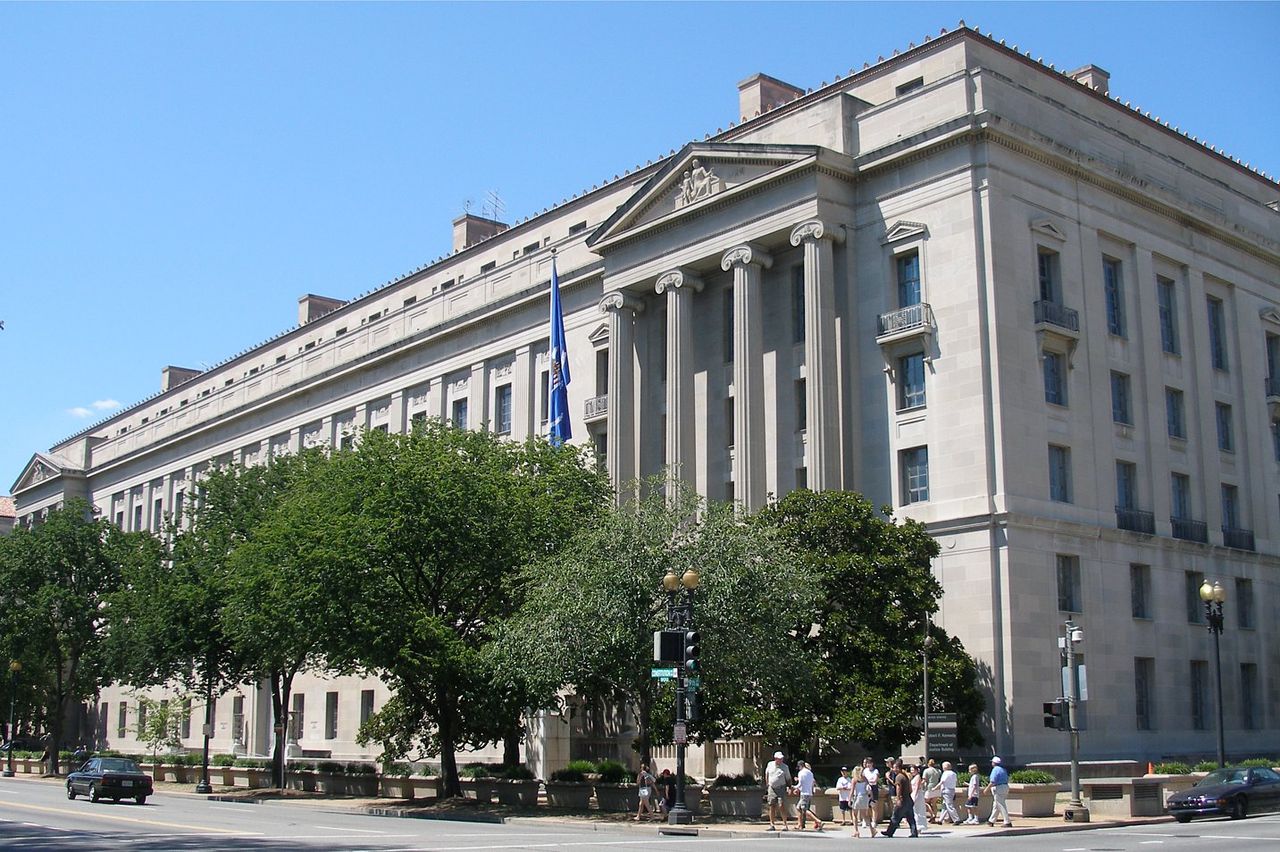
The broader context is that inaugural donations and enforcement decisions are both public matters, and timing can bring added scrutiny when they occur close together. In this instance, the gift was disclosed in 2017 and the dismissal came less than four months after the January inauguration, according to FEC records and court filings. That timeline fueled coverage from Reuters and other national outlets, which focused on the sequence rather than proving causation.
The underlying lawsuit was a qui tam case under the False Claims Act, a law that allows private whistleblowers to sue on behalf of the government. In these cases, the Justice Department can intervene, decline, or seek dismissal, depending on its review of the evidence and policy interests. Court documents from May 2017 show the government chose dismissal here, but they do not publicly lay out a detailed narrative connecting that decision to the inauguration donation.
For shoppers and WIC participants, the documented takeaway remains narrow. Enfamil stayed on the market, the dismissal did not amount to a product safety finding, and no public court filing in May 2017 said consumers needed to change what they were buying. The record shows a major political donation, a federal case dismissal, and an unresolved public debate about how closely those two events should be read together.