

The soccer will be the headline when FIFA World Cup 2026 opens on June 11, 2026. But in the 16 host cities across North America, food is shaping up as one of the biggest side stories of the tournament.
Host committees, tourism boards and local restaurant groups have been promoting local cuisine as part of the visitor experience for months. That matters because the event will bring millions of travelers into cities that already compete on tacos, barbecue, seafood, immigrant cooking and late-night street food.
1. This tournament is spread across three countries, not one

World Cup 2026 is the first men’s tournament to be co-hosted by three countries at this scale, with 16 host cities in the United States, Canada and Mexico. That format alone changes the food story, because traveling fans will move through very different culinary regions in a single trip.
According to FIFA, the host lineup includes Atlanta, Boston, Dallas, Guadalajara, Houston, Kansas City, Los Angeles, Mexico City, Miami, Monterrey, New York New Jersey, Philadelphia, San Francisco Bay Area, Seattle, Toronto and Vancouver. Few major sporting events place visitors inside this many distinct food cultures at once.
A fan who starts in Mexico City, flies to Houston, then finishes in Toronto could eat tacos al pastor, Texas brisket and Caribbean doubles or Tibetan momos without leaving the tournament ecosystem. For many American visitors, that range may be as memorable as the matches.
2. Mexico’s host cities bring deep, everyday food traditions

Mexico City, Guadalajara and Monterrey are not just stadium stops. They are among the country’s most important food cities, with regional specialties that are part of daily life rather than made-for-tourist novelties.
Mexico City is famous for tacos al pastor, tamales, tortas, churros and a huge street-food culture that runs from morning to late night. Guadalajara is strongly associated with tortas ahogadas and birria, while Monterrey is known for cabrito and grilled meats.
That matters because fans often expect stadium food to dominate a tournament. In Mexico’s host cities, the stronger pull may be outside the venue, where neighborhood restaurants, markets and street vendors often define what people remember most from a trip.
3. U.S. host cities are basically a map of regional specialties

The 11 U.S. host cities cover several of the country’s best-known food regions. Kansas City has a long barbecue identity, Philadelphia is tied to cheesesteaks and roast pork, New England brings lobster rolls and seafood, and Miami offers one of the country’s strongest Latin and Caribbean dining scenes.
Texas alone gives visiting fans multiple food angles. Dallas and Houston are linked to brisket, smoked meats, Tex-Mex and large immigrant dining communities, while Los Angeles adds Mexican American cooking, Korean barbecue and a street-food scene with global reach.
For domestic travelers, that means the World Cup may feel less like one event and more like a rolling food road trip. For international fans, it offers a compressed introduction to how different American food can look from city to city.
4. Canada’s host cities reflect immigration in a very visible way

Toronto and Vancouver have long been known for restaurant scenes shaped by immigration, and that is likely to stand out during the tournament. In both cities, some of the most talked-about food is not one iconic dish but the sheer variety available within a few blocks.
Toronto is known for Jamaican patties, South Asian street snacks, Chinese regional cooking, Middle Eastern bakeries and a broad range of West African and Caribbean food. Vancouver is especially noted for Asian dining, seafood, sushi, dumplings and one of North America’s strongest Chinese food scenes.
That diversity matters for fans traveling in groups with different budgets and tastes. It means visitors who want halal food, vegetarian meals, noodle soups, seafood towers or quick handheld snacks are all likely to find strong options without much effort.
5. Street food will be as important as reservations

Big international tournaments usually produce attention for luxury hospitality and chef-driven events. But in many 2026 host cities, the food most visitors talk about may come from taquerias, food trucks, corner counters, bakeries and market stalls rather than white-tablecloth dining rooms.
That is especially true in places like Mexico City, Los Angeles, Houston and Miami, where some of the most recognizable local food cultures are built around casual eating. It is also true in Philadelphia, Seattle and Vancouver, where compact neighborhoods make it easy to graze across several stops in one afternoon.
For traveling fans, that keeps the experience accessible. You do not need a major reservation budget to eat well in these cities, and tourism officials have increasingly leaned into that message as they prepare for the crowds.
6. Stadium menus are likely to get more local than people expect

Modern sports venues have moved well beyond generic hot dogs and nachos, and World Cup stadium operations have strong incentives to showcase local identity. In recent years, major U.S. venues have expanded chef partnerships, local beer lists and region-specific signature items.
That trend suggests World Cup visitors may see menus that borrow directly from host-city favorites. In Kansas City, that could mean barbecue-focused offerings. In Philadelphia, local sandwich traditions are likely to show up. In Mexican venues, local snack and grilled-meat influences are expected to be hard to miss.
Officials have not released final 2026 menus across all venues, but the broader stadium business has been moving in this direction for years. For fans who expect interchangeable arena food, that shift alone could be a surprise.
7. The late-night food scene will matter because match days run long
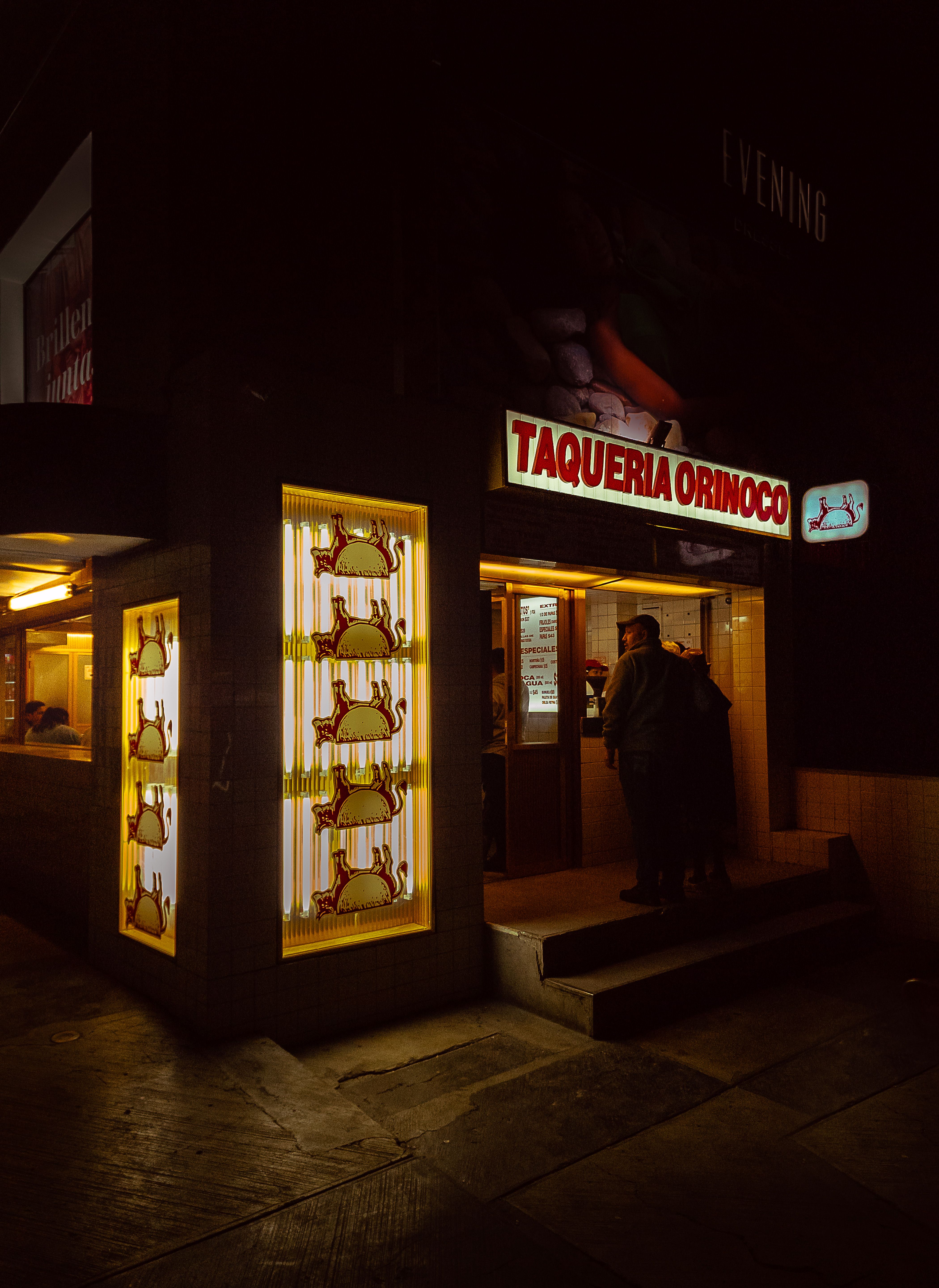
World Cup days are rarely neat, one-stop outings. Fans gather early, move across fan zones, linger after matches and often keep going late into the night, which makes after-hours food an important part of the experience.
That plays to the strengths of several host cities. Mexico City has a famously active late-night taco culture. New York New Jersey offers 24-hour and late-closing options across multiple cuisines. Miami, Los Angeles and Toronto also have strong nighttime eating scenes driven by nightlife, shift work and dense urban neighborhoods.
For visitors, that means meals will not just be scheduled around kickoff. Some of the most memorable bites may happen after the final whistle, when crowds spill into surrounding districts looking for something fast, local and still open.
8. Fans will run into foods tied to local communities, not just tourism campaigns

One reason the food may surprise casual visitors is that many host-city specialties are rooted in local communities, labor histories and migration patterns. They are not just civic branding exercises designed for a global event.
Kansas City barbecue grew from a long local tradition. Toronto’s dining identity reflects decades of immigration. Miami’s food culture is inseparable from Cuban, Caribbean and Latin American communities. Los Angeles dining has been shaped by Mexican, Korean, Chinese, Armenian and many other populations.
That gives the tournament a broader cultural layer. Visitors are not only eating in famous cities. They are eating the products of neighborhoods and communities that have defined those places over time, which often makes the food feel more personal and more revealing.
9. For many travelers, the food may end up being the real souvenir

Major sporting events often leave visitors remembering one meal as clearly as one goal. World Cup 2026 is well positioned for that because its geography is so wide and the host cities are already established food destinations in their own right.
Tourism agencies across North America have been marketing the tournament as more than a sports trip, with food, nightlife and neighborhood culture central to that pitch. That is a practical strategy, but it also reflects reality. These cities have enough culinary depth to keep non-soccer companions interested for days.
The result is a World Cup where people who arrived only for the matches may go home talking about brisket, birria, dumplings, seafood and midnight tacos. In a tournament this large, food is not just a side attraction. It is part of the event itself.


