

Some chain restaurants still build their reputation around a steak, a seafood basket, or a pasta plate. But in a lot of dining rooms, the side dish is the real draw.
That matters more now because casual dining brands are fighting harder for repeat visits, and the menu items that create habit are often the ones that hit the table first.
Why the side dish has become the real headline
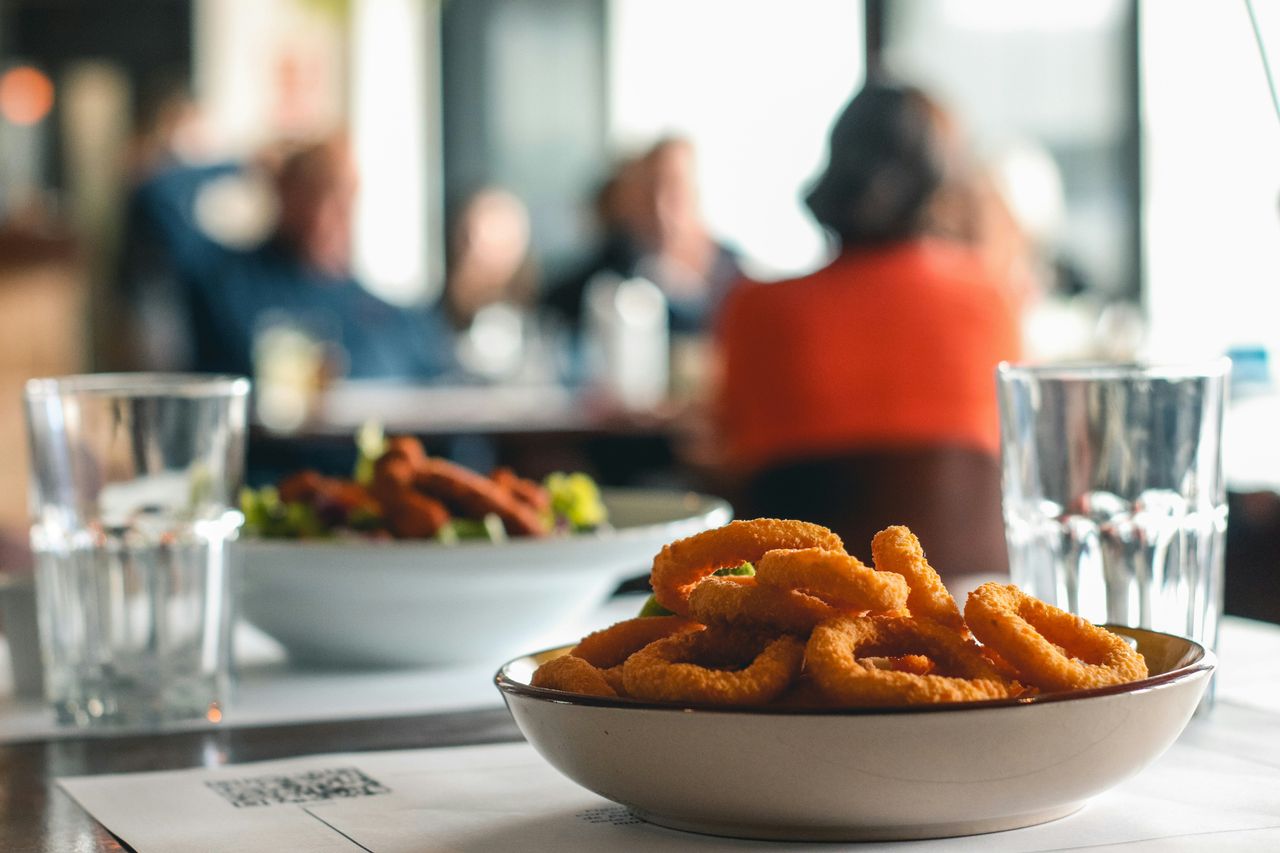
The modern chain restaurant business runs on recognition. A guest may say they are going to Red Lobster for shrimp or Olive Garden for pasta, but many of those same diners immediately talk about Cheddar Bay Biscuits or breadsticks before they mention an entrée. Those side items work like branding as much as food. They are familiar, easy to crave, and strongly tied to the dining experience.
Industry data helps explain why those signature bites matter. Technomic said in its 2025 Top 500 report that full service chains faced a difficult year overall, with only a few bright spots posting standout growth. Texas Roadhouse and Chili’s were among the strongest performers in that environment, showing how much brand identity and repeatable favorites can still move traffic when consumers are choosy about where they spend money.
Texas Roadhouse offers one of the clearest examples. The company says it makes food from scratch, and its warm rolls with cinnamon honey butter remain one of the most recognizable table starters in casual dining. In April 2025, Technomic data reported by Restaurant Business showed Texas Roadhouse had overtaken Olive Garden as the biggest casual dining chain in the United States, reaching about $5.5 billion in U.S. systemwide sales after 14.7% growth. That kind of momentum suggests diners are responding not just to steak, but to the full ritual of the meal, including the bread basket.
This list focuses on nine chain restaurant sides and side-adjacent menu staples that consistently draw more affection than many of the mains around them: Red Lobster’s Cheddar Bay Biscuits, Olive Garden breadsticks, Texas Roadhouse rolls, Outback Steakhouse’s Bloomin’ Onion, Chili’s Skillet Queso, Cracker Barrel Hashbrown Casserole, LongHorn Steakhouse Mac & Cheese, The Cheesecake Factory’s brown bread, and the house salad at Olive Garden. Not every chain labels these items the same way. Some are appetizers, some are table bread, and some are classic sides. But they all share one thing. People talk about them like they are the reason to go.
The bread basket stars that often outshine the main plate
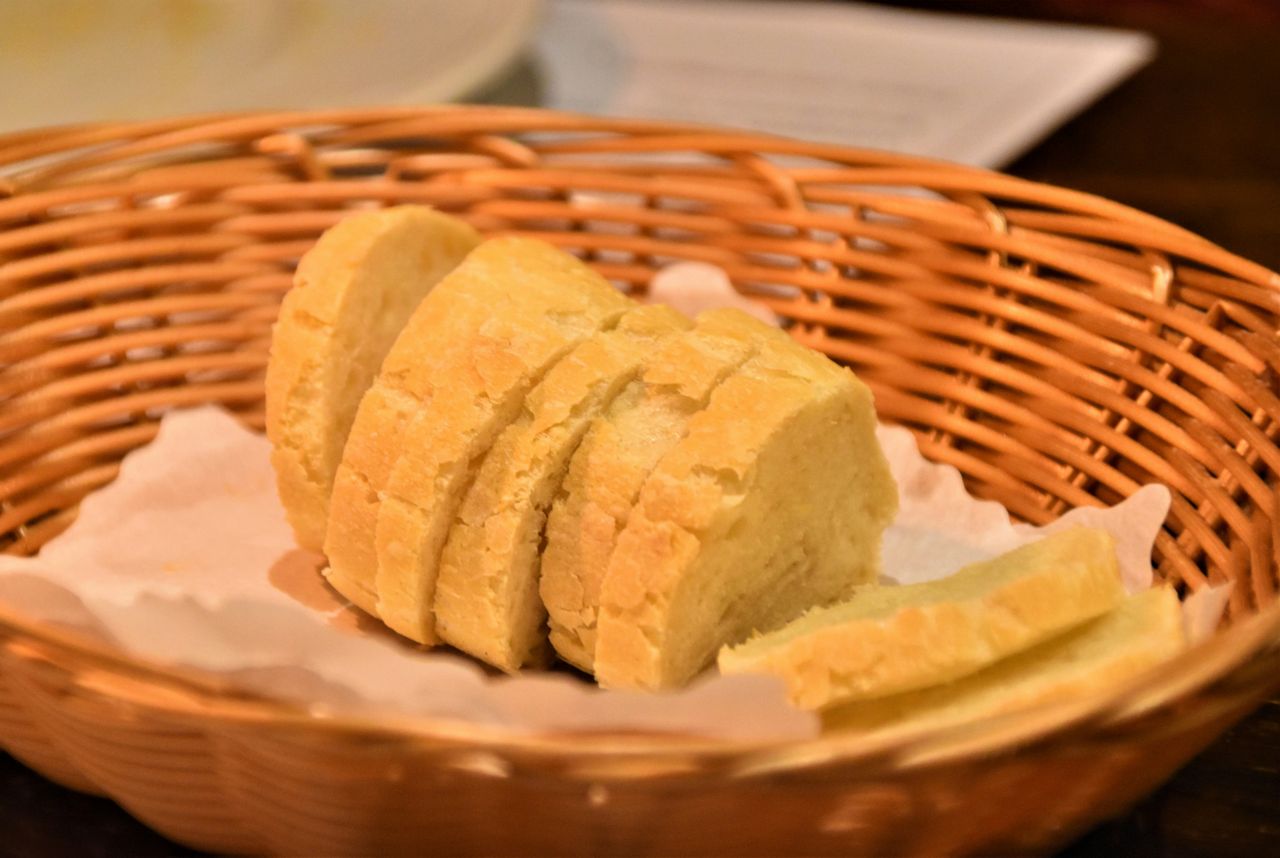
If one chain side has reached near myth status, it is Red Lobster’s Cheddar Bay Biscuit. The biscuit has outlived menu trends, ownership changes, and even the company’s Chapter 11 bankruptcy filing in May 2024. Red Lobster said restaurants would keep operating during the restructuring, and coverage at the time made clear that the biscuit remained one of the brand’s most powerful assets. The recipe’s roots go back decades, with Red Lobster tracing the item to garlic cheese biscuits introduced in 1991 and later renamed Cheddar Bay Biscuits in 1996.
Olive Garden breadsticks belong in the same conversation because they are tied to one of the chain’s core selling points: the familiar promise of unlimited soup, salad, and breadsticks with qualifying meals. The breadstick is simple, but that is part of the appeal. It lands warm, salty, soft, and dependable, and for many customers it becomes the pace setter for the meal. Even Fortune’s 2025 reporting on Olive Garden’s breadstick economics treated the item as central to how the brand works, not just a throw-in.
Texas Roadhouse rolls may be the strongest example of a side becoming a destination. The company highlights scratch preparation, and recent coverage of the chain’s kitchen process has emphasized that the rolls are made fresh rather than pulled from frozen stock. Served warm with cinnamon honey butter, they often create the kind of anticipation that main courses usually carry. For plenty of guests, the first basket is the part of the meal they are already thinking about before they even park the car.
The Cheesecake Factory’s brown bread operates a little differently but belongs in the same group. It is not as aggressively marketed as biscuits or unlimited breadsticks, yet it has become one of the chain’s most recognizable supporting players. In a restaurant known for giant menus and oversized entrées, that loaf has a way of cutting through the clutter. It is slightly sweet, dark, soft in the middle, and memorable enough that many diners mention it alongside cheesecake when they talk about what they actually love most.
The fried, cheesy, and creamy favorites diners keep coming back for
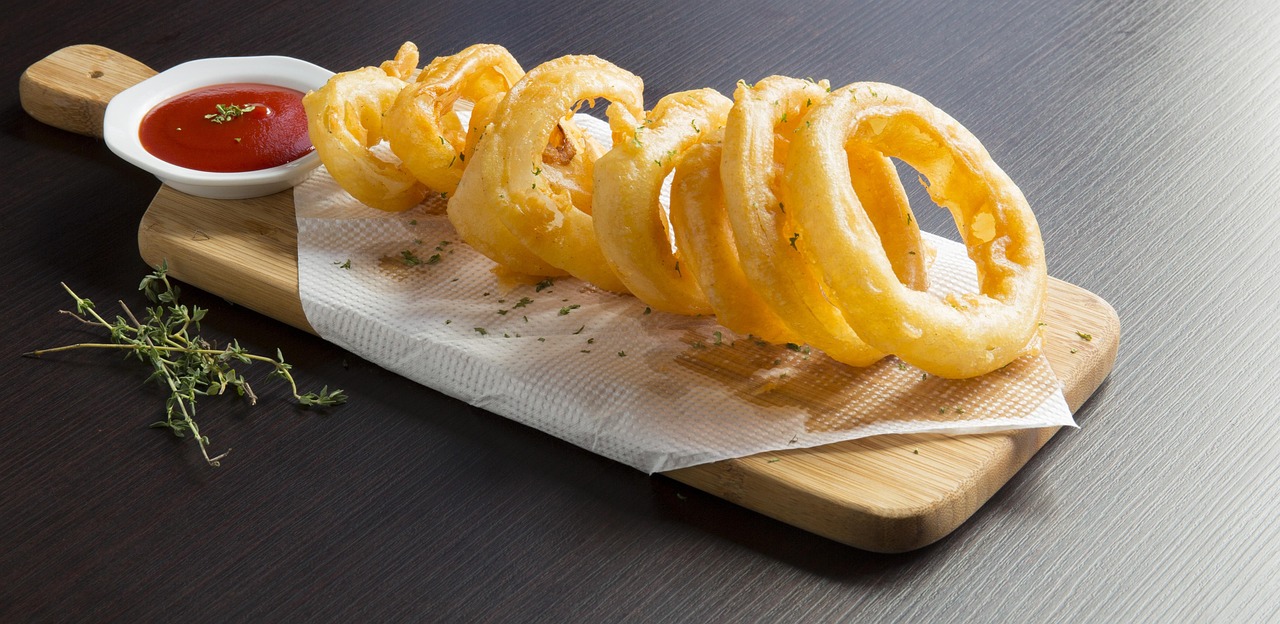
Outback Steakhouse’s Bloomin’ Onion is technically an appetizer, but functionally it has become the side people build the meal around. Outback itself still labels it “An Outback Original,” and the phrase fits. The dish is visually dramatic, easy to share, and more recognizable than most steaks on the menu. Its staying power is especially striking because the item has been around for years, yet it still carries the kind of name recognition most limited time menu launches never reach.
The numbers also show how indulgent and outsized the item is. Nutrition information circulated from Outback sources and menu databases has listed the Bloomin’ Onion at roughly 1,620 to 1,950 calories depending on the version and source, underscoring that this is not a small add-on. That scale is part of the appeal. It turns the opening round of a meal into the event itself, which helps explain why many diners talk about “getting a Bloomin’ Onion” before they talk about ordering a sirloin.
Chili’s Skillet Queso has its own loyal following, and it has remained one of the chain’s best known shareables even as Chili’s has refreshed parts of its menu. Chili’s menu materials describe the dish as Skillet Beef Queso served with chips and fresh salsa. Nutrition listings from Chili’s have put it around 1,590 calories, which again shows that these so-called sides often behave more like centerpieces. The queso is rich, salty, and familiar in a way that fits Chili’s broader push toward traffic-driving comfort food.
Brinker, Chili’s parent company, has pointed to increased traffic, menu innovation, and advertising as drivers of the chain’s recent sales gains. That wider comeback gives old staples like queso fresh relevance. In a crowded casual dining field, a side that guests already know and actively miss when it changes can be more valuable than a new entrée with a short shelf life.
Cracker Barrel’s Hashbrown Casserole works on a different emotional register, but it lands just as strongly. It is not flashy. It is soft, cheesy, starchy, and unmistakably comfort-driven. Recent Cracker Barrel menu materials have listed the side around 400 to 420 calories in some meal contexts, and its longevity on the menu says a lot. It gives customers exactly what they expect from the chain: consistency, nostalgia, and a side dish that can easily steal attention from whatever protein comes next.
The steakhouse sides that make the check feel worth it
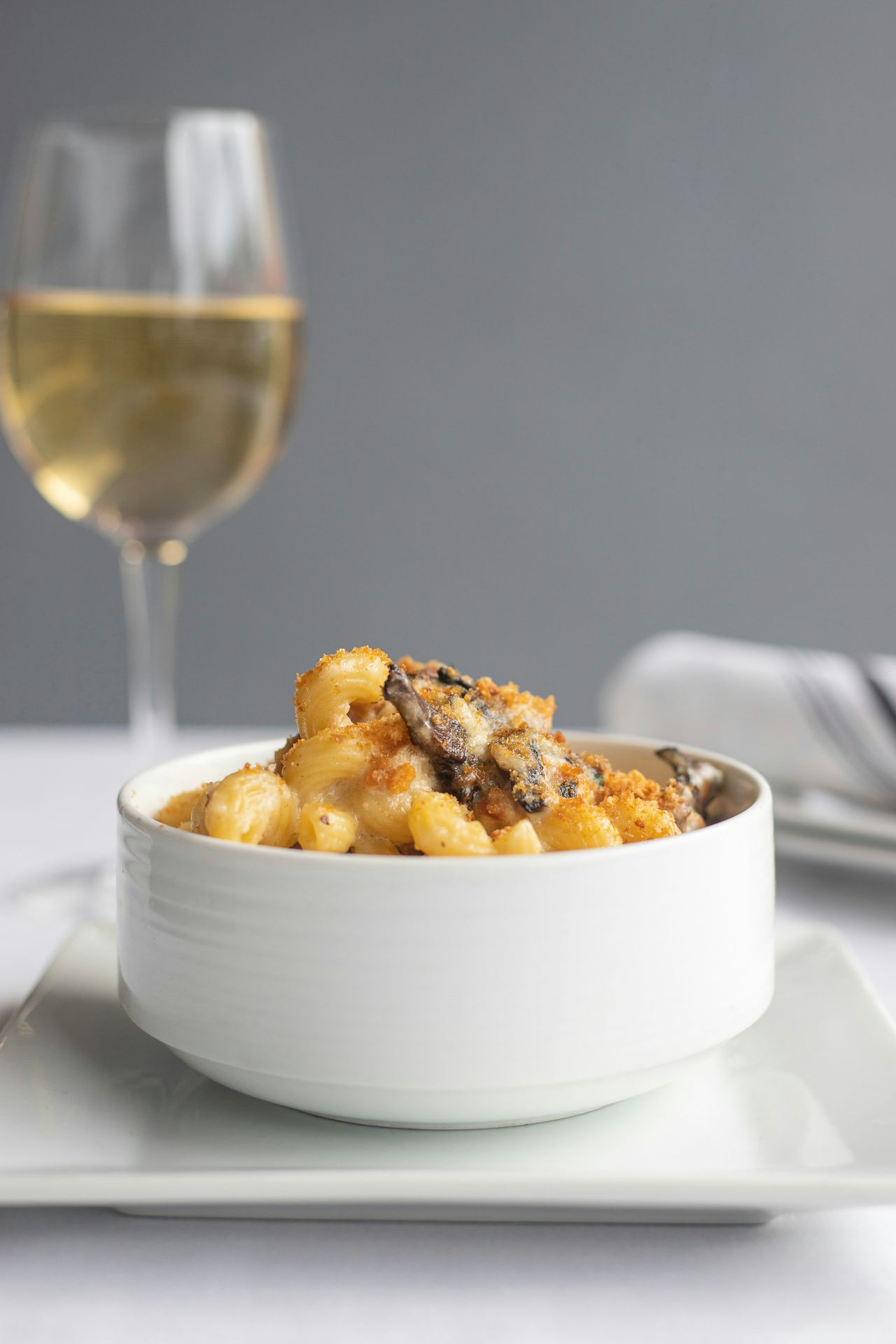
LongHorn Steakhouse is built around beef, but one of the chain’s quiet advantages is that its side menu feels more substantial than an afterthought. That matters in a category where guests are often deciding whether a restaurant is worth a full sit-down meal. LongHorn’s published nutrition guide has listed Steakhouse Mac & Cheese at 610 calories, making clear this is not a token scoop placed on the edge of a plate. It is rich enough to register as a reason to order.
Mac and cheese has become a useful measure of how seriously a chain treats comfort food. At LongHorn, the version is positioned as a premium steakhouse side rather than a kids’ menu fallback. That difference matters because diners often judge the whole meal by what supports the steak. If the side tastes flat, the entrée can feel overpriced. If the side feels indulgent and filling, the whole check reads differently.
Outback operates in a similar lane, and its Bloomin’ Onion may be the better known icon, but the broader lesson is the same. In steakhouse chains, side dishes carry more strategic weight than they sometimes get credit for. Potatoes, bread, fried starters, and rich add-ons are not background details. They are often the most shareable and most photographable part of the table, which makes them central to how people remember the visit afterward.
That same logic helps explain why Texas Roadhouse continues to get mileage from its rolls even as the menu centers on steak. When diners compare casual steakhouses, they are often comparing mood and value as much as meat quality. A free basket of hot rolls with sweet butter creates a sense of generosity before the entrée arrives. In a category where prices can climb quickly, that first impression matters.
The side dish also gives chains something modern menus often struggle to deliver: a low-risk crowd pleaser. A steak can be overcooked. A seafood entrée can feel expensive for the portion. A bowl of mac and cheese, a warm roll, or a fried onion is simpler and harder to mess up. For chains trying to hold onto traffic in an uneven economy, those dependable wins can matter just as much as the mains that headline the menu board.
What these nine favorites say about chain dining right now
Put together, these nine items tell a clear story about what people want from chain restaurants in 2026. They want familiarity, shareability, and a dish that justifies the trip before the main course even arrives. That helps explain why so many of the most beloved items are bread, potatoes, cheese, and fried starters. They travel well across age groups, they feel indulgent, and they deliver an instant sense of value.
The list also reflects the state of the broader market. Casual dining has been under pressure, but the winners have been brands with strong identities and repeatable menu rituals. Texas Roadhouse’s rise to the top of casual dining, according to 2025 Technomic data, was not only about steak. Chili’s recent traffic gains were not only about burgers and chicken crispers. These chains benefit when customers can name one signature starter or side without thinking.
Red Lobster’s biscuits may be the most revealing example. Even during the company’s bankruptcy crisis in May 2024, media coverage repeatedly treated Cheddar Bay Biscuits as the chain’s emotional center of gravity. That says something important. The menu item people fear losing first is often the one that defines the brand most clearly. In that sense, a side dish can become a company’s public identity.
There is also a practical reason diners often prefer these items to the entrées. Sides ask less from the customer. They do not require choosing the right protein temperature, sauce, or portion. They show up fast, they are easy to split, and they usually taste exactly how people expect. In a noisy, expensive restaurant market, that kind of reliability has become a serious competitive edge.
So the headline is simple, even if chains might not love hearing it. For a lot of customers, the best thing on the table is not the lobster tail, the steak, or the pasta bowl. It is the biscuit, the breadstick, the roll, the onion, the queso, the casserole, the mac and cheese, the brown bread, or even the salad that starts the meal. The side dish is no longer supporting cast. At many chain restaurants, it is the star.


