

Restaurant habits once limited to elite kitchens are now showing up in ordinary weeknight dinners. Across the U.S., home cooks are using classic Michelin-star techniques without always realizing those methods were refined in fine-dining restaurants.
That matters because the line between restaurant cooking and home cooking has narrowed sharply over the past two decades. Chefs, cookbook authors, cooking schools, television producers, and food creators on social media have helped turn once-specialized techniques into mainstream practice.
Resting meat before slicing

One of the clearest examples is resting meat after cooking, a step now widely treated as basic kitchen knowledge. In high-end French and contemporary tasting-menu kitchens, resting was long considered essential for even temperature and moisture retention before carving.
Today, many home cooks let steak, roast chicken, pork chops, or burgers sit for several minutes before cutting in. The practice is commonly repeated in American cooking shows and recipe testing kitchens, which often recommend 5 to 10 minutes for smaller cuts and longer for roasts.
Chefs have long argued that the pause matters as much as the sear. The method became standard in restaurant service because slicing too soon can send juices onto the cutting board rather than keeping them in the meat.
What once sounded like chef jargon is now normal dinner advice. In practical terms, it means better texture, more even doneness, and less mess, which helps explain why the technique has migrated so easily into family kitchens.
Finishing with acid at the end

Another Michelin-level habit that has gone mainstream is finishing a dish with acid just before serving. A squeeze of lemon, a splash of vinegar, or a spoonful of pickling liquid can sharpen flavor without adding more salt or fat.
Restaurant chefs have relied on this balancing step for years, especially in seafood, vegetable, and sauce work. Fine-dining cooking often treats acidity as a final adjustment, much like seasoning, to wake up flavors that can dull during cooking.
Home cooks now do the same with roasted vegetables, soups, braises, pasta, and even fried food. Lemon on grilled chicken, rice vinegar in pan sauces, or a few drops of sherry vinegar on beans all follow the same principle.
The change reflects a broader shift in how Americans talk about flavor. Instead of saying a dish needs “something,” many now identify brightness or balance, terms that were once heard mostly in professional kitchens and culinary schools.
Building sauce with butter at the finish
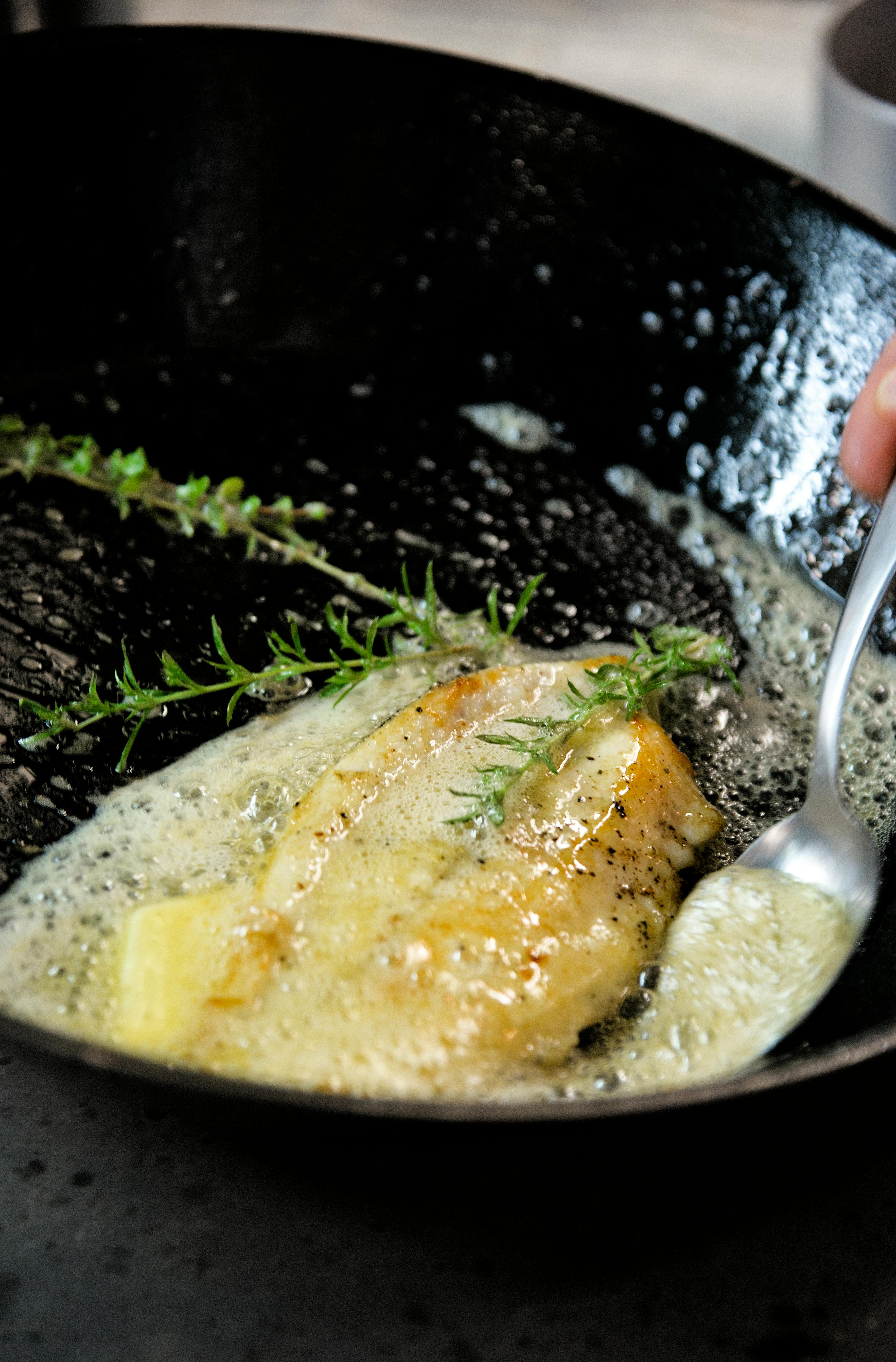
Swirling cold butter into a pan sauce at the end is another restaurant technique that has quietly become ordinary. In classical French cooking, this finishing move helps create gloss, body, and a smoother texture without making the sauce heavy.
In Michelin-star kitchens, butter is often added off the heat to prevent the sauce from breaking. The result is a finish that looks polished and tastes rich, even when only a small amount is used.
Home cooks now use the same method after sautéing chicken, mushrooms, fish, or steak. After deglazing with stock or wine, many whisk in 1 or 2 tablespoons of butter to make a quick sauce that feels more complete.
The technique has spread because it is simple and visible. It turns a basic skillet dinner into something closer to restaurant plating, and it asks for no special equipment beyond a pan and a spoon.
Salting in layers, not just at the table

Seasoning throughout the cooking process is another practice rooted in professional kitchens. Michelin-star chefs have long treated salt as something to build in stages, from the ingredients themselves to the final tasting before service.
That differs from the older habit of cooking food mostly plain and adding salt at the end. Layering salt during prep, browning, simmering, and finishing creates deeper flavor because the seasoning is distributed rather than sitting only on the surface.
Many U.S. home cooks now follow that approach instinctively. They salt pasta water, season vegetables before roasting, add a pinch while sweating onions, and then taste again before serving.
The idea has become standard through recipe development from major food magazines, television networks, and bestselling cookbooks. It may seem obvious now, but it reflects a professional mindset that was once taught mainly inside restaurant brigades.
Using low heat for gentle scrambling and custardy eggs
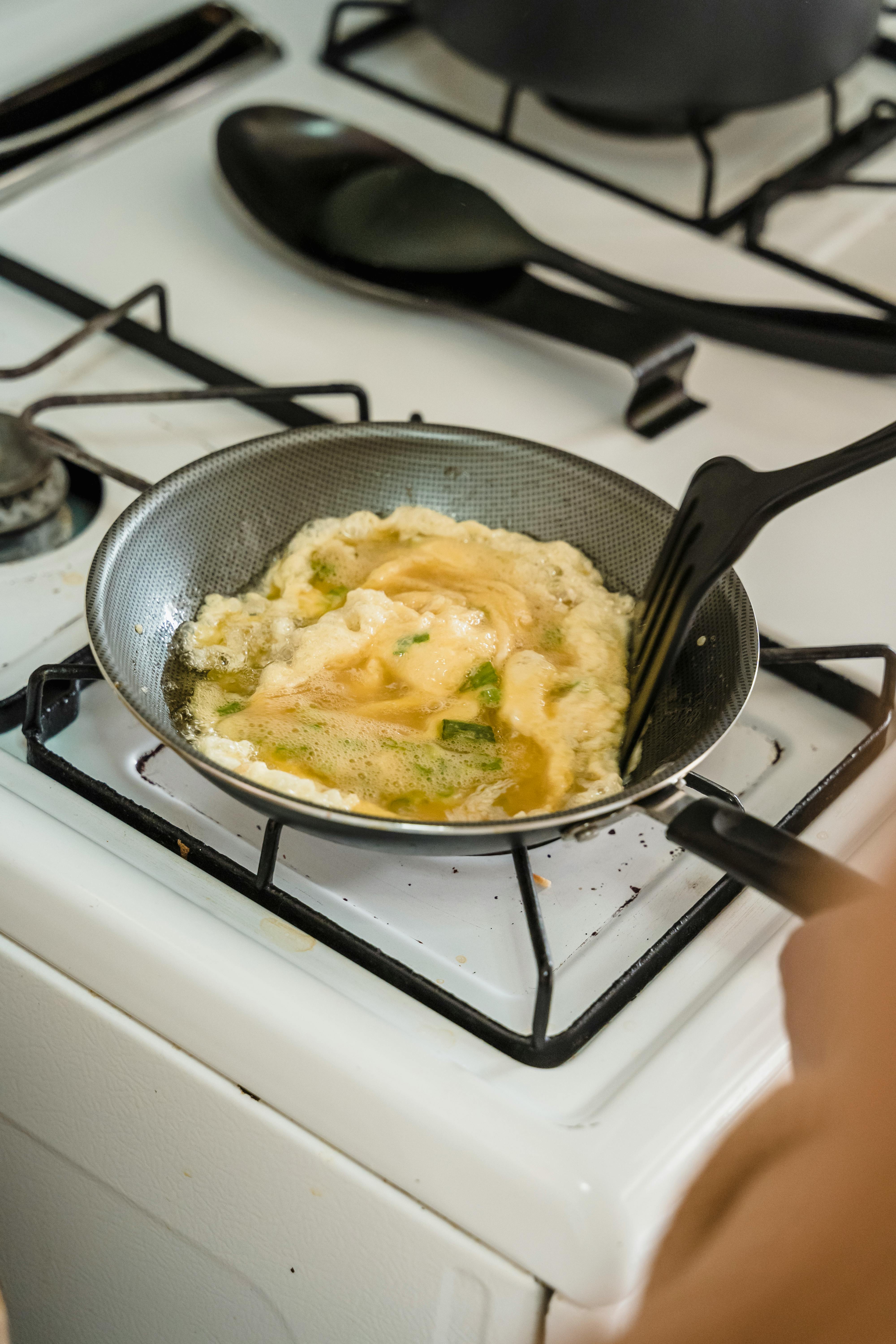
Soft, creamy scrambled eggs are another case where restaurant technique entered home cooking culture. In fine dining, eggs are often cooked slowly over low heat, stirred constantly, and removed before they look fully set.
The goal is not speed but texture. Michelin-star chefs and luxury hotel breakfast kitchens have long favored small curds and a custardy finish, often enriched with butter or crème fraîche to control temperature and consistency.
That style has become familiar in American households through television chefs and online cooking videos. Many home cooks now avoid blasting eggs over high heat and instead accept a slower method for a softer result.
It is a small but telling shift. Eggs are among the most common foods people cook at home, so when technique changes there, it shows how deeply restaurant standards have filtered into everyday eating.
Patting proteins dry for a better sear

Drying meat, fish, or scallops before they hit the pan is another classic professional move that has become mainstream. In restaurant kitchens, moisture is the enemy of browning because wet surfaces steam instead of sear.
That is why cooks in Michelin-level restaurants often use towels or paper towels before seasoning and cooking proteins. The payoff is better caramelization, deeper flavor, and more predictable color on the finished dish.
Home cooks now routinely hear the same instruction in recipes for steak, salmon, chicken thighs, and tofu. The advice is especially common for scallops, where excess moisture can prevent the golden crust many people expect from restaurant plates.
This is one of the clearest examples of culinary knowledge crossing over unchanged. The rule is simple, cheap, and effective, which makes it easy to adopt whether someone is cooking in a city apartment or a suburban family kitchen.
Letting vegetables keep some bite

For decades, fine-dining kitchens pushed against the idea that vegetables had to be cooked until soft. French technique and modern restaurant cooking both value vegetables that hold shape, color, and some firmness, especially green beans, asparagus, peas, and carrots.
That approach helps preserve freshness and visual appeal. In Michelin-star service, overcooked vegetables are often seen as a technical flaw because they lose sweetness, structure, and brightness.
American home cooks increasingly use the same standard, whether blanching broccoli, roasting Brussels sprouts, or sautéing zucchini. Instead of aiming for limp tenderness, many now look for crisp-tender texture and brighter color.
The shift also reflects changes in produce quality and consumer taste. Better grocery access, farmers market culture, and restaurant influence have made texture a bigger part of how people judge whether vegetables are cooked well.
Plating with height, space, and a final garnish

The final technique is not about cooking itself but presentation. Michelin-star restaurants helped popularize the idea that the eye shapes the meal before the first bite, leading to careful use of negative space, stacked components, and deliberate garnishes.
What was once considered restaurant styling now appears in ordinary home meals and dinner-party cooking. People spoon puree under proteins, fan sliced duck or steak, top soup with herbs, and finish pasta with a last shower of cheese, oil, or pepper.
Social media accelerated this change by rewarding dishes that look polished on camera. But the roots are older, tied to fine-dining service where consistency, elegance, and visual balance have long been part of the standard.
For home cooks, the appeal is practical as much as aesthetic. A neat plate can make leftovers feel special, help portion food more evenly, and bring a little restaurant confidence to an otherwise normal Tuesday dinner.


