Every World Cup sells more than soccer. It also sells food.
When millions of visitors and viewers focus on one host country, a dish can go global almost overnight. But in many cases, the nation that gets the headlines is not the only place, or even the first place, behind the food.
Döner and kebab wraps in Germany, with Türkiye often blurred out
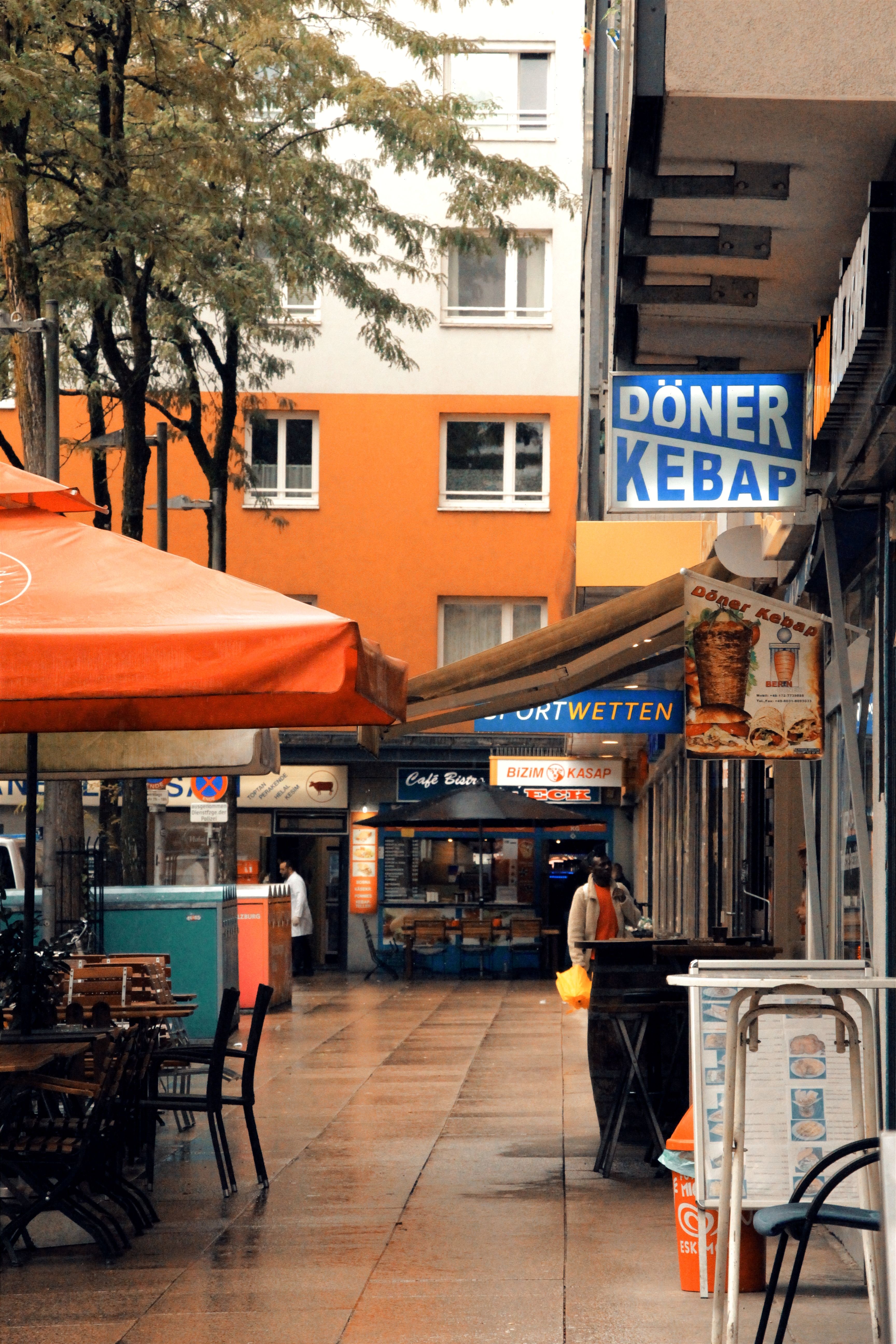
Germany hosted the men’s FIFA World Cup in 2006, and visitors quickly noticed one of the country’s most visible street foods: the döner kebab sandwich. By then it was already a fixture in Berlin, Cologne, and other cities, sold from thousands of takeaway shops and eaten by locals after work, after school, and after late nights out.
The modern sandwich version became strongly associated with Germany because of that visibility and because German cities had built a huge market for it. Food historians and industry groups have long tied its spread to Turkish migrant communities, especially in Berlin from the 1970s onward. Estimates often put Germany’s döner market in the billions of euros annually.
That success also created confusion. Many international visitors left with the impression that döner was basically German, when its roots are Turkish and connected to the broader kebab traditions of the Ottoman world. Germany helped popularize the handheld version globally, but Türkiye supplied the culinary DNA that often went underplayed.
Boerewors in South Africa, while regional influences stayed in the background

At the 2010 World Cup, one of the easiest smells to find near fan parks and stadium gatherings was boerewors on a grill. The coiled sausage became part of the tournament’s atmosphere, alongside vuvuzelas, braais, and packed public viewing areas from Johannesburg to Cape Town.
Boerewors is deeply South African and is regulated in a way that reflects national pride. Under South African rules, it must meet meat-content standards to carry the name. During the tournament, tourism coverage and foreign broadcasters often presented it as a signature local bite, and that helped introduce it to audiences far beyond the country.
Still, the story was usually simplified. Sausage-making traditions in southern Africa were shaped by Dutch, German, and local influences over generations, and neighboring countries in the region share related grilling cultures that got little attention. South Africa became the face of the food boom, even if the culinary background was broader than many visitors realized.
Feijoada in Brazil, though Lusophone roots were often flattened
When Brazil hosted the 2014 World Cup, international travel stories leaned heavily into barbecue, cold beer, and feijoada. The black bean and pork stew appeared in hotel menus, tourism campaigns, and television features aimed at fans looking for a classic Brazilian meal between matches.
Feijoada is unquestionably central to Brazilian food culture, but its history is layered. Scholars have debated the popular myth that it was created from scraps by enslaved Africans, noting instead that bean-and-meat stews also existed in European cooking, including in Portugal. In modern Brazil, the dish became something larger than any one origin story.
That nuance was often lost in World Cup coverage. For many global viewers, feijoada became a neat symbol of Brazil alone, detached from Portuguese precedents and the wider Atlantic exchange that shaped it. Brazil earned the spotlight because it hosted, but the full Lusophone and colonial history rarely traveled with the bowl.
Brigadeiro in Brazil, while European confection roots got little notice

Brazil’s 2014 tournament also boosted another food that was easier to carry than stew: brigadeiro. The chocolate fudge ball, rolled in sprinkles and sold at bakeries, cafés, and party shops, turned up constantly in travel pieces and fan guides as an easy entry point into Brazilian sweets.
The candy itself dates to the 1940s and is widely linked to supporters of Brigadier Eduardo Gomes, a presidential candidate whose nickname helped give the sweet its name. Made from condensed milk, cocoa, and butter, it became a national staple because it was affordable, simple, and tied to home celebrations.
Yet the ingredient story behind brigadeiro is more international than many casual tourists understood. Condensed milk-based sweets reflect broader European and industrial food histories, and chocolate sprinkle confections have parallels across several countries. The World Cup made brigadeiro feel uniquely and entirely Brazilian to outsiders, even though its building blocks came through a much wider global trade story.
Pączki-style doughnuts in Poland and Ukraine, with shared traditions split by the spotlight

Euro 2012, co-hosted by Poland and Ukraine, was not a FIFA World Cup, but at recent World Cups and European football coverage alike, one pattern has repeated: visiting media often latch onto filled doughnuts in eastern Europe as a national shorthand. In Poland’s case, pączki frequently became the star, especially in pieces explaining local comfort food to foreign fans.
Pączki are a real part of Polish culinary identity and are especially visible before Lent on Fat Thursday, when millions are eaten across the country. Their appeal to foreign visitors is obvious: they are easy to recognize, sweet, and photogenic. Tourism coverage often treats them as a perfect one-bite lesson in Polish food culture.
But that framing can flatten a wider regional reality. Similar filled fried pastries appear across Central and Eastern Europe, including in Ukraine, Germany, and beyond, with related techniques and holiday traditions. Once a tournament or major football event assigns one version to one country, the shared food map behind it tends to disappear from view.
Pastel in Russia, while broader Eurasian pastry traditions were overlooked

During the 2018 FIFA World Cup in Russia, foreign fans were introduced to a wide range of local foods, from borscht to blini. One snack that repeatedly appeared in travel explainers was the crisp, filled fried pastry often sold in casual spots and transit areas, commonly compared by visitors to empanadas or hand pies.
Russia’s vast geography makes its food culture especially mixed, and many of the pastries highlighted during the tournament reflected that. Fried meat-filled turnovers have strong connections to Turkic, Caucasian, and Central Asian culinary traditions that moved across borders over centuries. In a host-country spotlight, those distinctions were easy to miss.
As a result, visitors often tagged the snack simply as Russian street food. That was not entirely wrong, since it is sold and eaten widely in Russia, but it was incomplete. The World Cup effect turned a regional food web into a single national label, leaving neighboring cultures with less recognition than their influence deserved.
Shawarma in Qatar, with Levantine origins fading behind the host image

At the 2022 FIFA World Cup in Qatar, shawarma was one of the most familiar and most photographed foods around Doha. Fans moving between metro stops, malls, and late-night gathering spots found it everywhere, often as a quick, affordable meal in a city packed with visitors from every continent.
Qatar’s food scene is highly international, and that helped shawarma become part of the tournament’s public face. The dish fit the moment perfectly: fast service, broad appeal, and easy customization. It also matched the Gulf’s daily dining habits, where Levantine restaurants and grilled meat shops are a routine part of urban life.
But shawarma is not originally Qatari. Its roots are tied much more closely to the Levant and to the wider history of rotating spit-roasted meats in the eastern Mediterranean. During the tournament, the host’s visibility sometimes overshadowed those origins, making a regional staple seem like a local Qatari emblem rather than a shared Arab food tradition.
Churros in Spain and Latin America, with a tangled ownership story revived by football
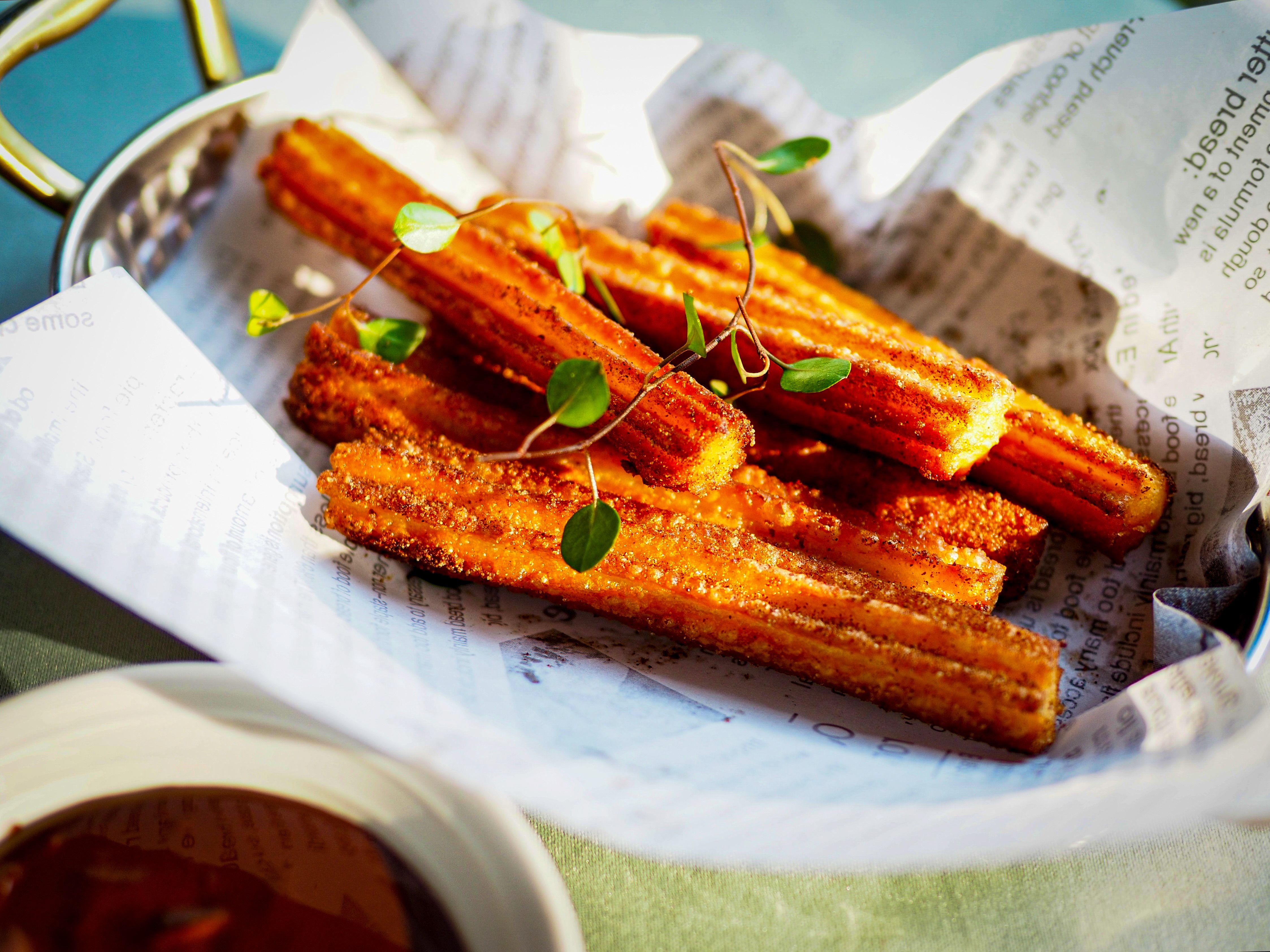
Spain has not hosted a men’s World Cup since 1982, but each cycle of football tourism and international tournament coverage has revived familiar foods, and churros remain one of the clearest examples. Fans in Madrid, Barcelona, and other major cities are routinely pointed toward churros with hot chocolate as a classic Spanish treat before or after matches.
That message is not false. Churros are firmly embedded in Spanish café culture and are a staple for breakfast, festivals, and late-night eating. Their shape, texture, and serving style are instantly recognizable, which makes them ideal for broadcasters and travel writers looking for a quick cultural marker.
The problem is ownership gets messy fast. Churro traditions also run deep across Mexico and much of Latin America, where the pastry evolved in local ways and became just as culturally meaningful. Football coverage centered on Spain often treats churros as if they belong there alone, even though their modern fame rests on a much wider Spanish-speaking world.