

I did not become a coupon person on purpose. I just started noticing that some foods now have a weird effect on me at the store, where I pick them up, look at the price, laugh a little, and put them right back.
That feeling is not just personal sticker shock. U.S. food prices rose 23.6% from 2020 to 2024, according to the USDA, and even though grocery inflation has slowed, a lot of products still have not come back down in a way most shoppers can really feel. The Bureau of Labor Statistics and USDA both show food-at-home prices still running above year-ago levels in early 2026, even as some categories cooled from the worst of the inflation wave. So this is not a list about being fussy. It is about the foods I now only buy when the numbers make sense.
Eggs and breakfast staples are no longer automatic buys
Eggs used to be the easiest thing in my cart. They were my backup dinner, my lazy breakfast, and the ingredient that made me feel like I could always pull something together. Then the price swings got so wild that I stopped treating them like a basic and started treating them like a stock I needed to monitor.
The USDA has tied a lot of the egg price chaos to the long-running highly pathogenic avian influenza outbreak that began in 2022. In 2024, eggs rose 8.5%, the biggest increase among major grocery categories tracked by the agency. That kind of jump changes how people shop. It certainly changed me. I still buy eggs, but only when I see a real deal, and I am much quicker now to swap in oatmeal, yogurt, or pancakes when the shelf price looks inflated.
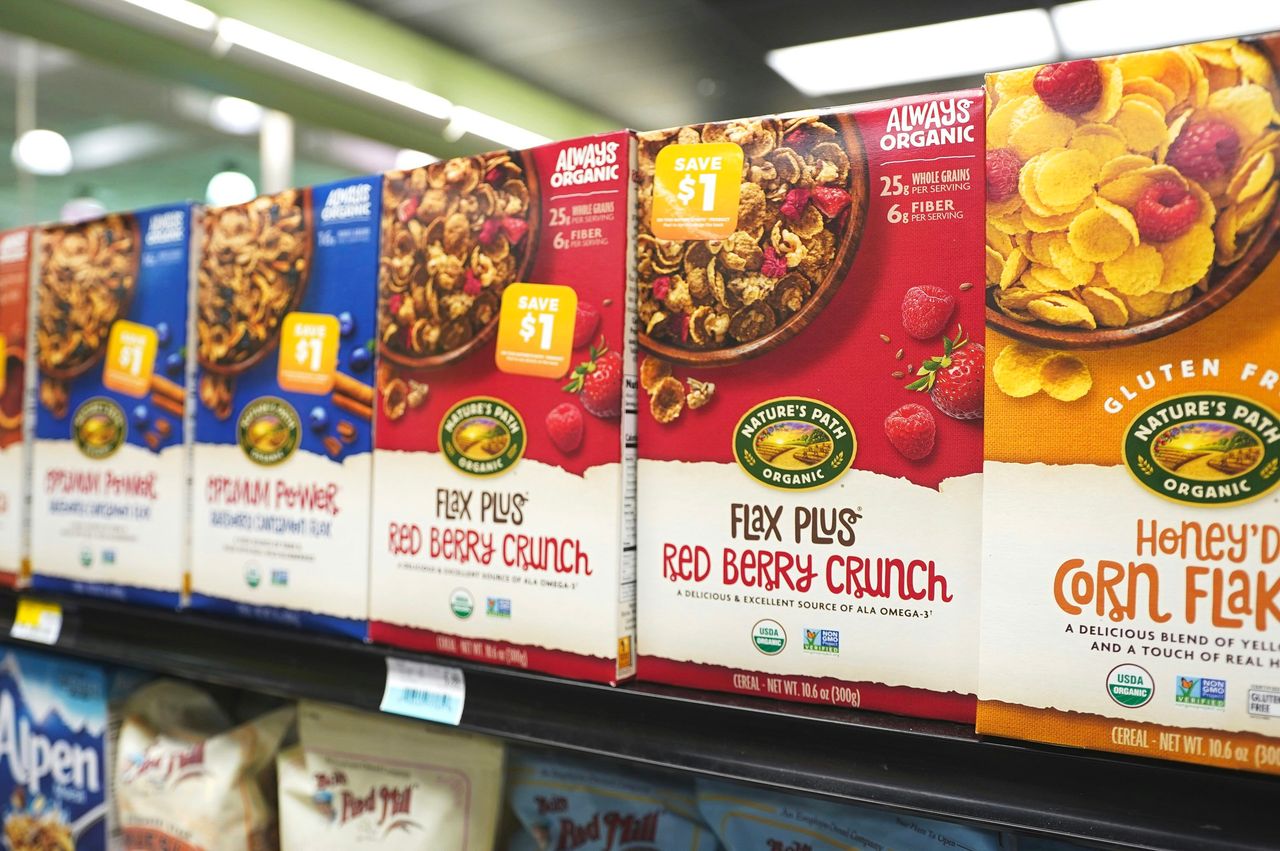
What surprised me more is how breakfast as a whole started feeling expensive in sneaky ways. BLS data released in March 2026 showed breakfast cereal down slightly year over year, which is welcome, but it still does not erase the bigger reset many shoppers have felt at the shelf. Cereal had already become a product where the box seems lighter, the price seems higher, and the sale cycle matters more than brand loyalty.
That is why cereal is now on my sale-only list too. If I am paying full price, I want a product to feel stable and dependable. Cereal no longer does. Between family-size boxes that do not feel very family-size and breakfast foods that keep drifting in and out of affordability, I have become the person who waits for the promo, checks the unit price, and moves on if the math is annoying.
Coffee and orange juice now feel like luxury groceries
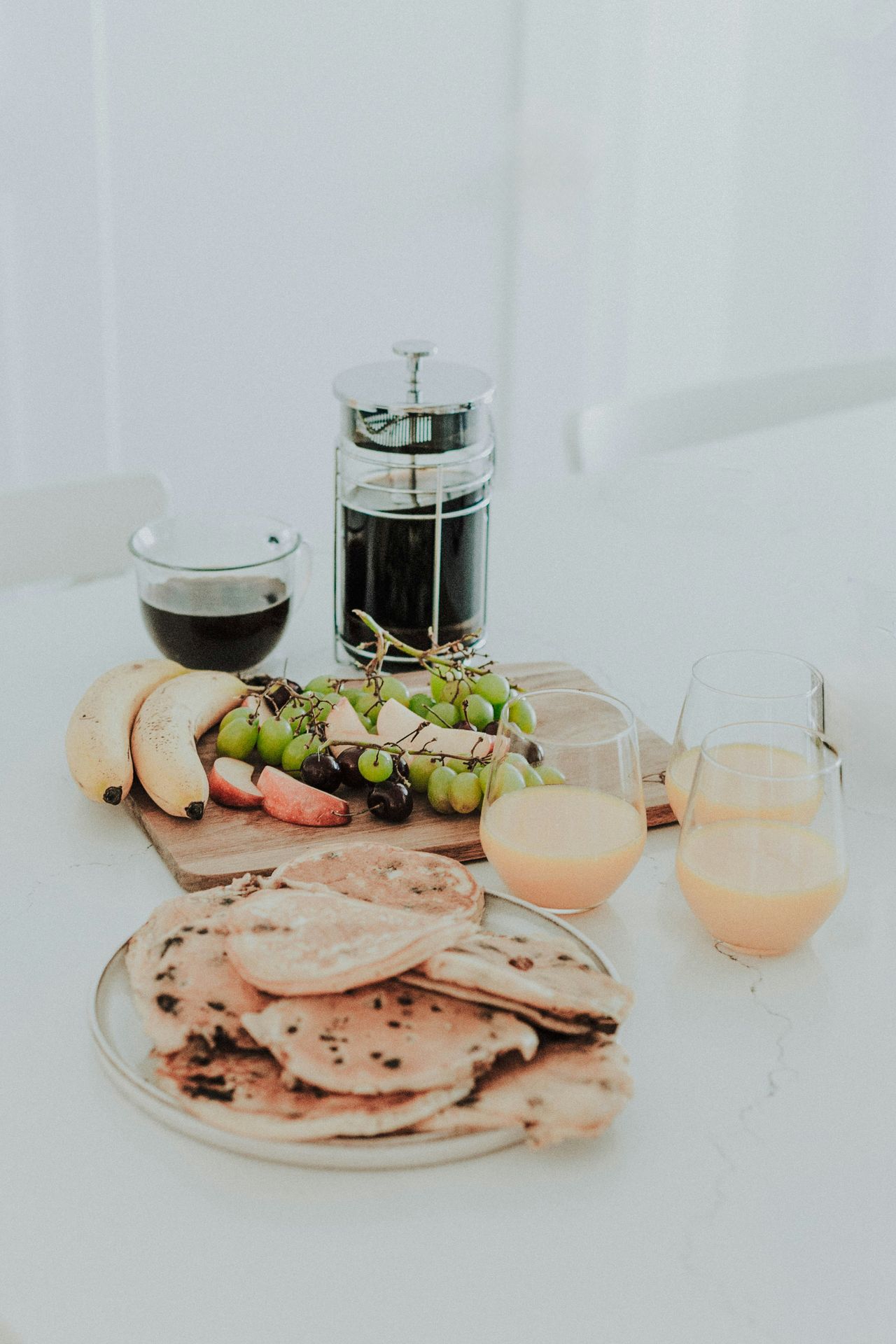
Coffee used to be my one grocery item that felt emotionally non-negotiable. I could cut back on snacks, skip dessert, even pass on takeout, but the coffee stayed. Then the global coffee market started behaving like it had a personal grudge against my morning routine.
Reuters reported that arabica coffee prices hit record highs in 2025, with concerns centered on Brazil’s crop after drought and tight supply. By early 2026, BLS data showed beverage materials including coffee and tea up 11.2% from a year earlier. That is a huge increase for something so many Americans buy every single week. It helps explain why the canister, bag, or pod box that used to seem manageable now feels like a tiny financial event.
I still buy coffee, but I almost never pay full price anymore. I stock up during warehouse sales, supermarket promotions, and brand discounts. The reason is simple. When a staple rises that fast, there is almost always a better buying window if you are patient. Full price has become the price for forgetting to plan.
Orange juice landed in the same category for me, though for slightly different reasons. The orange market has been hit by disease, poor harvests, and weather stress, especially in Brazil and Florida. Reuters reported that Brazil’s 2024/25 orange crop fell to its lowest level in 36 years before a projected rebound, while Florida’s citrus industry has been battered for years by greening disease. Even if futures markets cool, retail cartons do not always follow quickly.
That is why I now look at orange juice as an occasional buy, not a reflex buy. If it is deeply discounted, great. If not, I can drink something else. For a long time, juice felt like a normal middle-of-the-cart item. In 2026, it feels like one of those groceries that quietly crossed over into treat territory.
Beef and frozen meals taught me to stop shopping on autopilot
There was a time when I could walk into a grocery store at 6 p.m., grab ground beef or steaks, add a frozen meal or two for insurance, and call it a practical weeknight strategy. That version of me had no idea how expensive convenience and protein were about to become.
Beef is the clearest example. In the Bureau of Labor Statistics release for February 2026, uncooked beef steaks were up 16.3% from a year earlier. That is not a subtle move. It is the kind of increase that changes meal planning in real time. On the supply side, industry outlooks and Reuters reporting have pointed to a persistent U.S. cattle shortage, with tight supply expected to keep pressure on prices through 2026.
So yes, I still buy beef, but only when I see markdowns, family-pack promotions, or holiday pricing that actually feels like a deal. Otherwise, I pivot to chicken, beans, pasta, or whatever lets dinner stay normal without making me feel like I financed it. Beef at full price now feels like paying peak rates for an ingredient I know will cycle back into a sale somewhere.
Frozen prepared meals are a different story, but they ended up on my no-full-price list for the same reason: convenience got expensive enough that it stopped feeling practical. BLS data for early 2026 showed frozen and freeze-dried prepared foods still up from a year earlier. The increase was modest compared with beef, but that almost makes it more frustrating. These meals were already pricey on a per-serving basis before the latest inflation era made them even harder to justify.
What changed for me is that frozen meals no longer feel cheap enough to be the lazy option. If I am paying full price, a single bowl or entree can cost almost as much as a simple homemade meal for more than one person. That is not nostalgia talking. It is unit pricing. So now I buy them only during multipack specials, digital coupon weeks, or the kind of clearance timing that makes the freezer aisle feel smart again.
Snacks and sweets are where the grocery bill gets sneaky
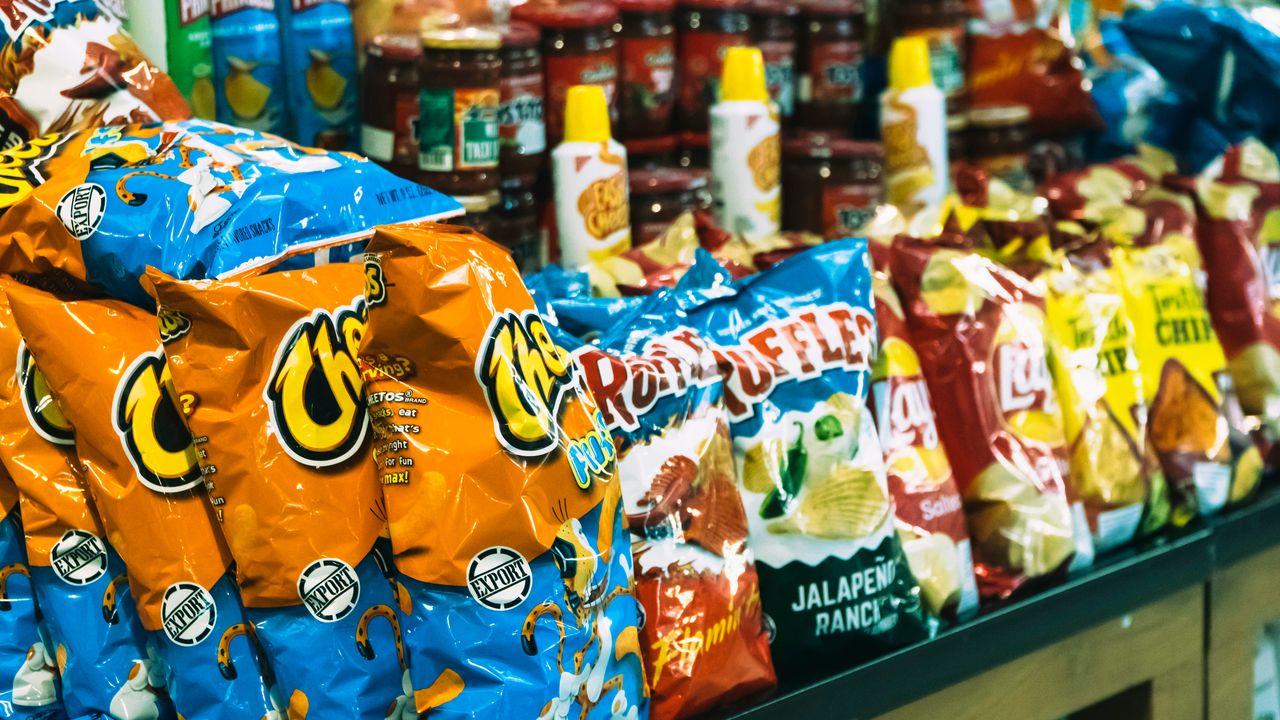
If the expensive part of the cart used to be meat and produce, the sneaky part now is snacks. I have had more moments than I care to admit where I looked at a bag of chips, a box of crackers, or a sleeve of cookies and thought, absolutely not, you have lost your mind.
Part of the problem is that snack inflation rarely arrives with the drama of eggs or beef. It creeps in through smaller packages, thinner sale discounts, and a shelf price that somehow feels 20% too high every time. BLS tracks snacks as a distinct grocery category, which tells you how central they are to American shopping habits. That also means they are easy for shoppers to overlook until the receipt prints and the total looks rude.
Potato chips are one of the biggest offenders for me. They used to be the classic toss-it-in item for game day, cookouts, or school lunches. Now they are a product I buy only with a promotion attached. If the store is not offering a meaningful discount, I skip them. It is not because chips became precious. It is because they became a bad value.
Cookies and packaged sweets live in the same bucket. And chocolate deserves its own side-eye right now. Even though cocoa prices have fallen from the wild highs seen during the 2024 to 2025 spike, shoppers have not seen equivalent relief in candy aisles. Axios reported in April 2026 that chocolate companies had raised prices by as much as 20% during the cocoa run-up and retail prices were still elevated heading into Easter.
That lag matters because it is exactly how full-price buying starts to feel like a trap. Once a manufacturer discovers consumers will keep buying at the higher number, those numbers tend to stick. So I now shop snacks and sweets with a much colder heart. If cookies are buy-one-get-one, maybe. If the chips are part of a real multi-buy, sure. But if it is regular shelf price for air, salt, sugar, and vibes, I can keep walking.
Why full price now feels like the wrong price
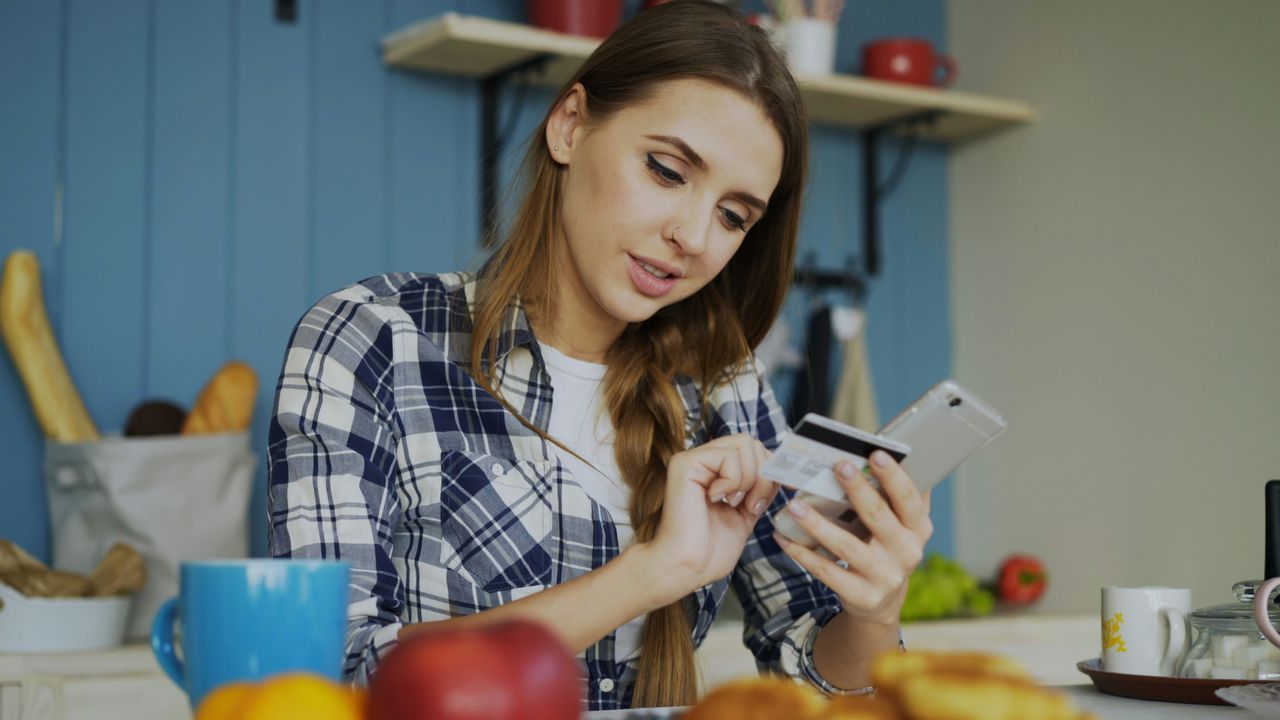
This is the part that changed my shopping habits the most. I used to think a full-price grocery item was simply the cost of doing business. Now I think of full price as a suggestion, especially in categories where promotions are constant, package sizes keep shifting, and the sticker rarely tells the whole story.
The broader numbers back up that feeling. USDA data shows food prices climbed far faster than most households were used to during the inflation surge, with all-food CPI up 23.6% from 2020 to 2024. By early 2026, the USDA said food-at-home prices were still 2.4% higher than a year earlier, while BLS showed restaurant prices rising even faster in some cases. In other words, the pace has slowed, but the higher base remains. That is why so many shoppers feel as if nothing got cheaper even when inflation headlines improved.
For me, the eight foods I would not pay full price for anymore are eggs, cereal, coffee, orange juice, beef, frozen meals, chips, and cookies or chocolate. They are not banned foods. They are just foods that lost the privilege of automatic purchase. That is a very American 2026 sentence, and I know I am not the only one living it.
What matters is not just the price tag but the pattern. If an item is volatile, repeatedly promoted, or clearly inflated by supply shocks, I wait. If the product has shrunk while the price held firm, I wait. And if paying full price leaves me feeling faintly insulted, I definitely wait. That is not being cheap. That is finally paying attention.
The funny thing is that this approach has made grocery shopping less emotional. I no longer stand in the aisle asking whether I deserve the thing. I ask whether this is the right week to buy it. If the answer is no, I move on. In a food economy where many prices are still elevated and some categories remain especially fragile, that has become my version of common sense.


