The 2026 FIFA World Cup is set to spread across 16 host cities in the United States, Canada and Mexico, with opening matches scheduled for June 11, 2026. That timeline is already shaping travel plans, and restaurant operators in several host markets have said they expect a sharp jump in demand as fans begin arriving.
For travelers, that means one practical question comes first. What should you eat in these cities before the World Cup crowds make the most famous local spots hard to book, slow to enter and expensive to improvise around?
Mexico City: tacos al pastor
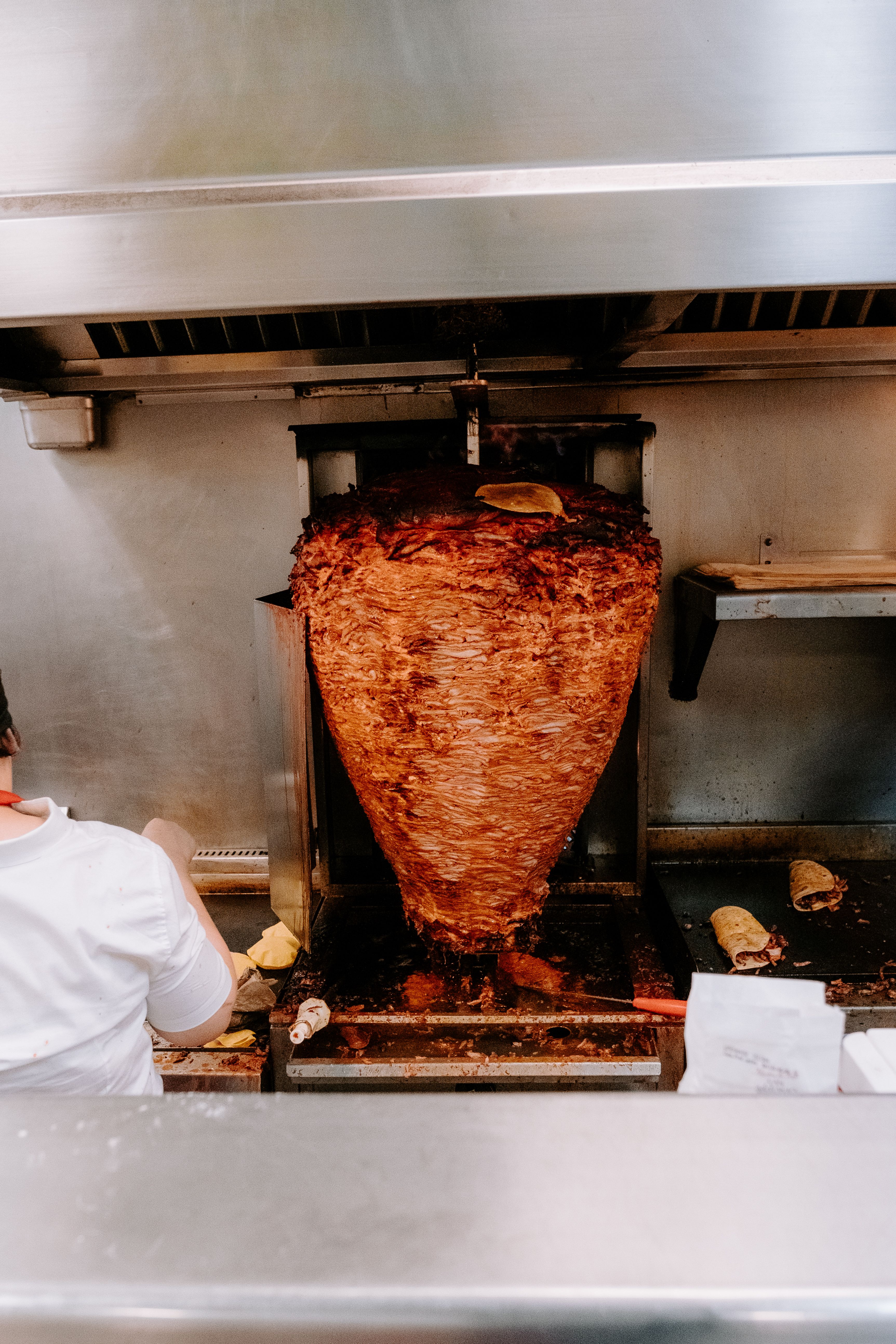
Few dishes say Mexico City as clearly as tacos al pastor, the spit-roasted pork taco with roots tied to Lebanese immigration and decades of local adaptation. The city’s version typically combines marinated pork shaved from a trompo, pineapple, onion, cilantro and salsa on a small corn tortilla. It is fast, affordable and deeply tied to daily life in one of the tournament’s marquee host cities.
Tourism officials in Mexico have repeatedly highlighted food as a major draw for international visitors, and al pastor is often the first stop. In neighborhoods such as Condesa, Roma, Centro and Narvarte, taquerias do brisk late-night business even without a major sports event in town. During a World Cup, operators are expected to face much longer lines.
What matters for visitors is not just eating the taco, but eating it in the city where it became a staple. The balance of char, fat, sweetness and acid is hard to match elsewhere. For U.S. travelers, it is also one of the easiest entry points into Mexico City’s broader street food culture.
Philadelphia: roast pork sandwich
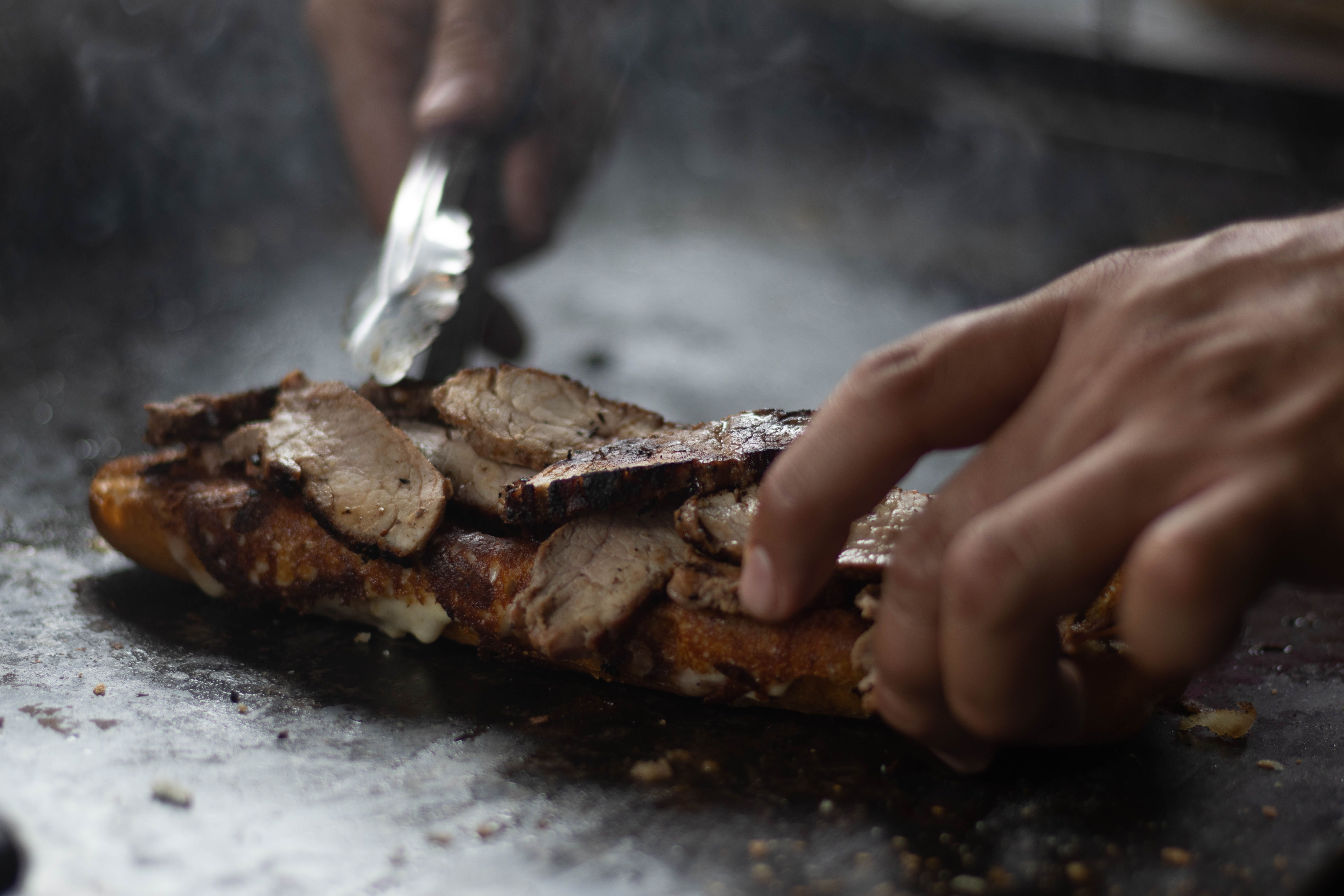
Philadelphia is often introduced to visitors through the cheesesteak, but many local chefs and food writers point first to the roast pork sandwich. The classic version layers slow-roasted pork, sharp provolone and bitter greens such as broccoli rabe on a seeded roll. It is richer, messier and, to many residents, more representative of the city’s Italian American cooking traditions.
The sandwich has long been a fixture at old-line shops and market counters across South Philadelphia and the surrounding region. It reflects the city’s immigrant food history and the kind of lunch that built a loyal local following before social media turned regional dishes into travel targets. That local backing is part of why it continues to draw strong opinions.
With World Cup visitors expected to spread well beyond stadium zones, signature sandwiches will likely become part of the tourism surge. For American travelers who want something familiar but distinctly local, roast pork is an easy pick. It is also a reminder that host-city food stories often run deeper than the most obvious national headlines.
Los Angeles: birria tacos
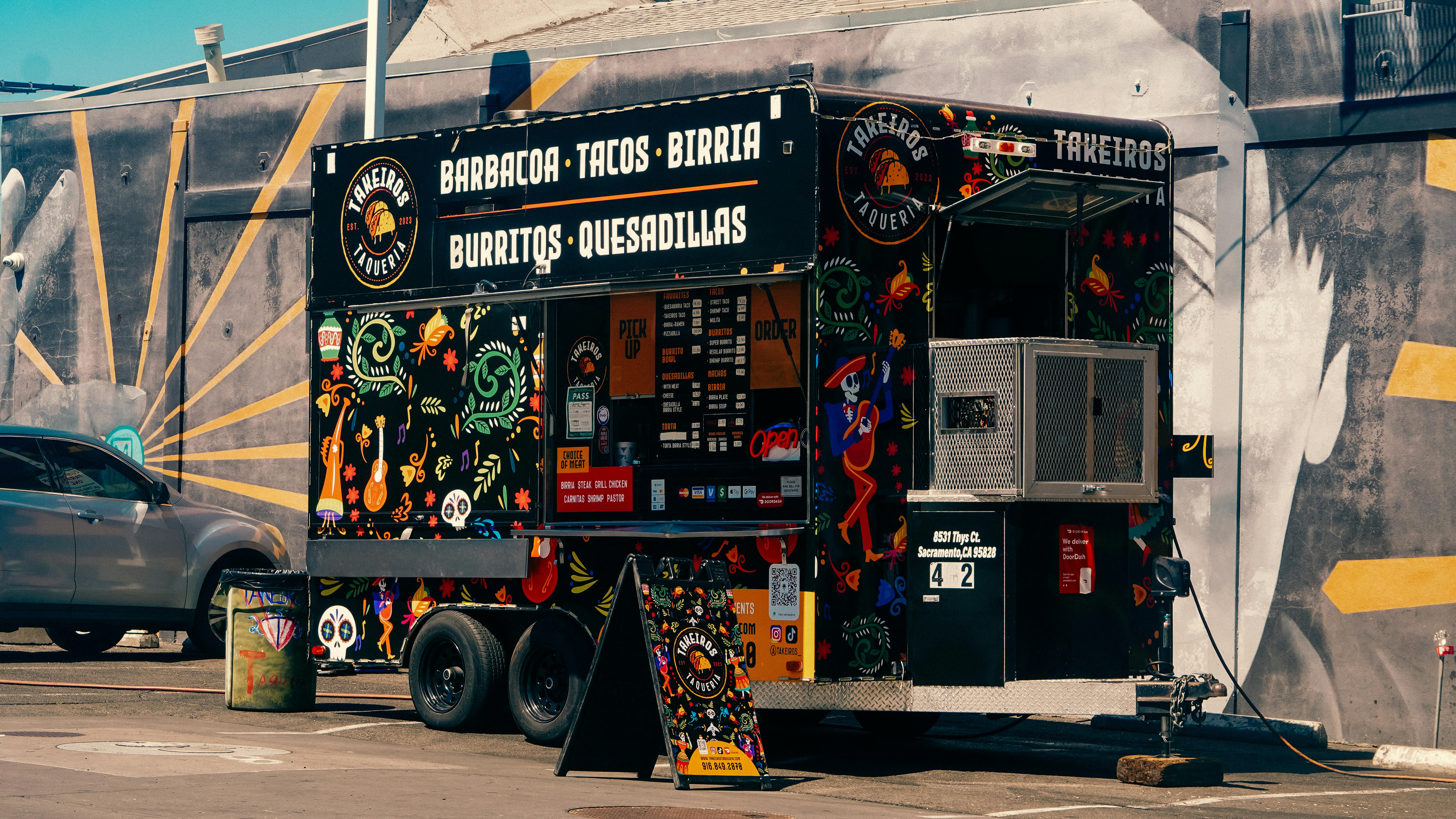
Los Angeles has one of the most dynamic Mexican food scenes in the United States, and birria tacos have become one of its most visible modern staples. Originally tied to Jalisco, birria in L.A. is commonly served as chile-stewed beef tucked into tortillas that are dipped in fat, griddled crisp and paired with consommé. The result is intensely savory, highly photogenic and widely imitated.
Its rise over the past decade has been fueled by food trucks, family-run stands and small restaurants across the county. In practical terms, that means visitors can find good birria in many neighborhoods, but the best-known places already draw long waits on weekends. A World Cup crowd would only amplify that.
Los Angeles will be one of the tournament’s biggest magnets, and its food culture is part of the reason. Birria captures the city’s cross-border identity, casual dining habits and appetite for regional Mexican specialties. For out-of-town fans, it offers a dish that feels current without being a passing fad.
New York/New Jersey: bagel with lox and schmear

The New York area has no shortage of iconic foods, but a bagel with lox and schmear remains one of the most recognizable. The standard build is simple: a boiled, baked bagel with cream cheese, cured salmon, capers, tomato and onion. Its roots trace back to Jewish immigrant food traditions that became central to the city’s breakfast culture.
Because 2026 matches in the region will be tied to the stadium in East Rutherford, New Jersey, many visitors will base themselves across both sides of the Hudson. That makes the broader metro food identity especially relevant. Delis, appetizing shops and bagel counters from Manhattan to North Jersey are likely to be packed during tournament weeks.
For travelers from elsewhere in the U.S., the appeal is straightforward. It is a meal that feels classic, portable and specific to place when made well. In a tournament built on movement between boroughs, train lines and hotel zones, a proper bagel order is one of the easiest local rituals to join.
New Orleans: gumbo

New Orleans is one of the few host cities where a single bowl can explain a whole region’s history. Gumbo blends influences from West Africa, France, Spain and Native American cooking, usually with a roux-based broth and proteins that can include sausage, chicken or seafood. The dish varies widely by household and restaurant, which is part of its staying power.
Louisiana’s tourism industry has long marketed food as a core reason to visit, and gumbo sits near the center of that pitch. It is served in white-tablecloth dining rooms, corner neighborhood restaurants and festival settings throughout the city. That flexibility gives visitors many chances to try it, but high-profile spots often book up early during major events.
The World Cup will bring a new layer of pressure to a city already used to hosting huge crowds for Mardi Gras, Jazz Fest and the Super Bowl. Gumbo matters because it is not just a menu item but a living symbol of local identity. If there is one dish to order before tables get scarce, this is it.
Kansas City: barbecue burnt ends

Kansas City barbecue is broad enough to support endless debate, but burnt ends remain its signature bite. Traditionally cut from the point end of a smoked brisket, burnt ends are chopped, bark-heavy pieces of beef that are smoked until tender and often finished with sauce. The style became famous locally before spreading to menus nationwide.
The city has spent decades building its barbecue reputation through family-run institutions, competition culture and regional pride. Burnt ends are central to that story because they represent both craft and scarcity. At some restaurants, they sell out early, which gives visitors one more reason to plan ahead before matchday traffic pushes waits even higher.
For fans traveling through the Midwest, Kansas City offers one of the clearest examples of how a host city’s food can shape the trip as much as the game. Burnt ends are deeply satisfying, easy to share and hard to reproduce outside serious barbecue markets. They are the kind of local specialty that rewards getting there before everyone else.
Toronto: peameal bacon sandwich
Toronto’s host-city food scene is unusually global, but one of its oldest signature dishes is still the peameal bacon sandwich. Made with cured pork loin rolled in cornmeal and served on a bun, it is most closely associated with St. Lawrence Market and with a style of working-city breakfast that has endured for generations. It is distinct from standard U.S. bacon and from back bacon more broadly.
Canada’s largest city is expected to welcome a major share of international visitors during the 2026 tournament, and food businesses there are already accustomed to event-driven tourism. The sandwich’s appeal lies in its simplicity and in its local specificity. It is quick to eat, easy to understand and tied to a recognizable Toronto institution.
For American visitors, this is the kind of regional classic that can otherwise be overlooked in a city known for variety. That would be a mistake. If the World Cup pushes people toward the biggest, flashiest reservations, peameal bacon is the smart early stop that still tells a clear story about where you are.