

National burger and chicken chains still dominate U.S. sales, but some of the strongest customer loyalty lives at the regional level. Across the country, smaller fast food brands continue to hold an outsized place in daily routines, family traditions, and hometown identity.
That matters because regional chains often compete without the scale of McDonald’s, Taco Bell, or Chick-fil-A. Even so, many keep expanding, drawing long lines, and inspiring the kind of emotional attachment that lasts for decades.
In-N-Out Burger

In-N-Out remains one of the clearest examples of lifelong fast food loyalty in the United States. Founded in Baldwin Park, California, in 1948, the chain has kept a relatively tight footprint compared with national burger rivals, but its influence extends far beyond the states where it operates. Customers often plan road trips around stops, bring first-time visitors for a “proper” introduction, and defend the menu with near-sports-team intensity.
Part of that attachment comes from consistency. The chain has built its reputation on a small core menu, fresh ingredients, and a not-so-secret “Animal Style” culture that customers pass down almost like local knowledge. According to company statements over the years, In-N-Out has also maintained a strong focus on company-owned locations instead of franchising, which helps preserve the same experience from store to store.
The emotional pull is also tied to geography. For many Californians, and increasingly for customers in states like Arizona, Nevada, Texas, Colorado, Oregon, Idaho, and Utah, In-N-Out is not just a meal. It is a marker of home, late-night drives, post-game stops, and family routines that people carry with them long after they move away.
Whataburger

Whataburger has long occupied that role in Texas, where the orange-and-white striped branding is instantly recognizable. The company opened its first restaurant in Corpus Christi in 1950, and over time it became more than a burger chain. It became part of the state’s everyday culture, especially as a go-to stop after football games, road trips, and late-night meals.
Its menu helps explain the bond. The original large burger, breakfast taquitos, Honey Butter Chicken Biscuit, and rotating limited-time offers have all built loyal followings. When menu items disappear, customer reaction can be immediate and loud, a sign that regulars do not treat the chain like just another fast food option.
Whataburger’s 2019 sale to BDT & MSD, a Chicago-based investment firm, raised concerns among some Texans who worried the chain might lose its identity. But the company has continued to stress its San Antonio headquarters and Texas roots while expanding farther across the South and Midwest. That balancing act matters because the brand’s strength has always come from a sense that it belongs to its customers as much as to the company.
Culver’s

Culver’s inspires a different but equally durable kind of loyalty across the Midwest. Founded in Sauk City, Wisconsin, in 1984, the chain built its reputation on ButterBurgers, fresh frozen custard, cheese curds, and a tone that feels more hometown than corporate. In states like Wisconsin, Minnesota, Illinois, Iowa, and Michigan, it is often seen as a reliable family stop rather than a trend-driven brand.
The chain’s appeal rests heavily on familiarity and hospitality. Culver’s restaurants emphasize made-to-order food, supper-club-adjacent comfort items, and a cleaner, calmer dining room experience than many fast food competitors. For older customers especially, that atmosphere can feel linked to regional food traditions rather than to the interchangeable experience of national chains.
Culver’s has also grown steadily beyond the Midwest, but without losing the products that made it matter in the first place. That is a major reason the loyalty sticks. Fans do not just want a burger and custard. They want the exact taste, pace, and local feeling they associate with childhood dinners, youth sports celebrations, and familiar weekend routines.
Cook Out
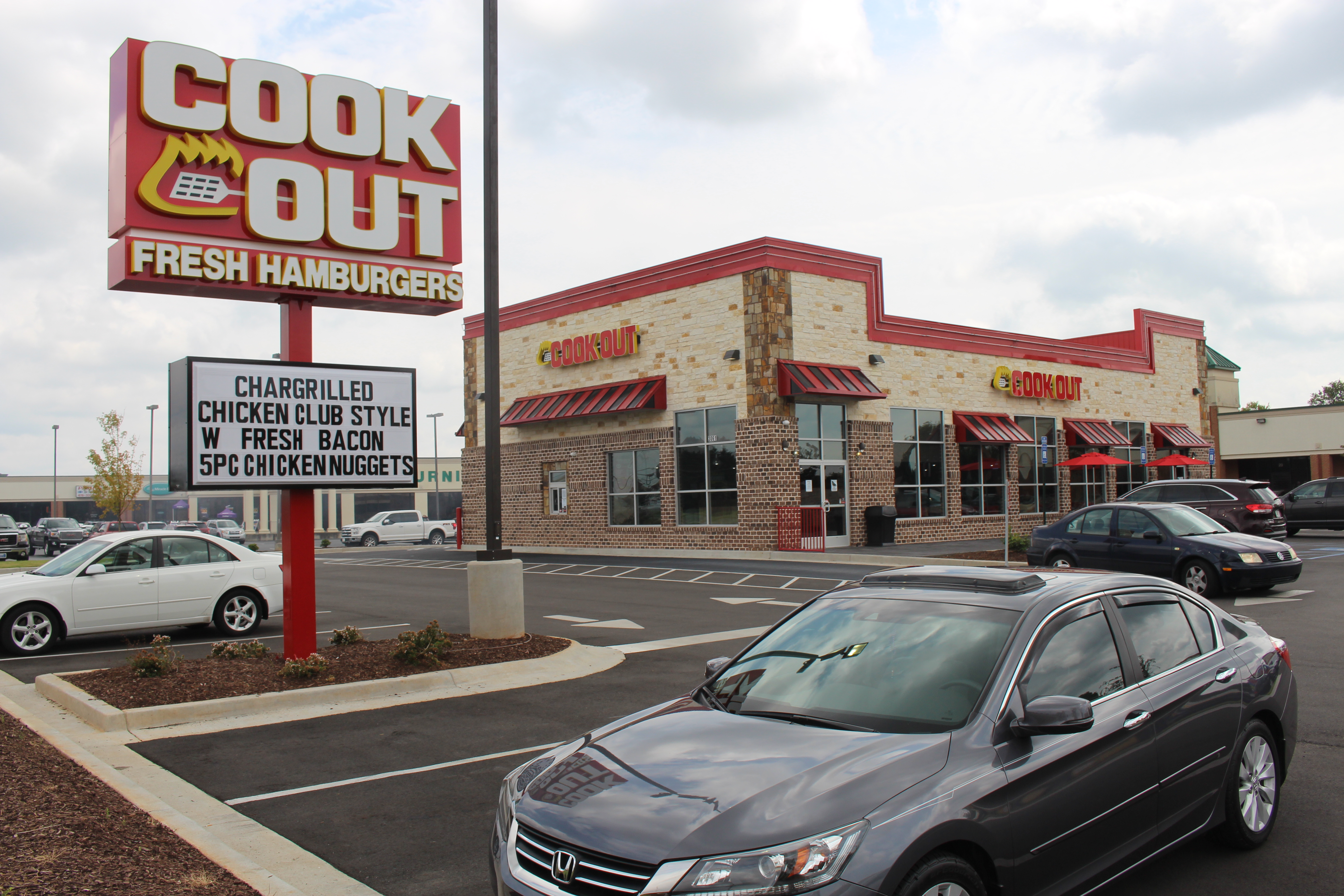
Cook Out has developed a cult following across the Southeast by offering a mix of low prices, late hours, and an unusually broad menu. Founded in Greensboro, North Carolina, in 1989, the chain became especially popular with students, shift workers, and drivers looking for an inexpensive meal that still felt specific to the region. Its growth across states such as North Carolina, South Carolina, Tennessee, Virginia, Georgia, Alabama, Kentucky, Mississippi, and West Virginia has only deepened that base.
The brand’s best-known hook is the Cook Out Tray, which lets customers combine an entrée, sides, and a drink from a sprawling menu. Add in dozens of milkshake flavors, from banana pudding to peach cobbler, and the chain has something many national competitors lack: a sense of discovery built into repeat visits.
Its stores are often modest, but that has not hurt the bond. In many college towns and smaller Southern cities, Cook Out is woven into local nightlife and routine life alike. People remember their exact order, the first person who introduced them to it, and the feeling that no other chain quite matches the same value-to-comfort equation.
Raising Cane’s

Raising Cane’s shows how a tightly focused menu can create unusually strong emotional loyalty. Founded in Baton Rouge, Louisiana, in 1996, the chain built its business around chicken fingers, crinkle-cut fries, Texas toast, coleslaw, and Cane’s Sauce. That narrow approach could have limited its reach, but instead it helped create one of the clearest product identities in fast food.
For many fans, the sauce is the center of the obsession. Customers talk about it the way coffee drinkers talk about a favorite roast or barbecue fans talk about a house rub. The chain’s college-town roots also helped build lasting attachment, because customers often encountered it during high school and college years, when routines and food memories tend to stick hardest.
In recent years, Raising Cane’s has expanded aggressively and entered more large markets, but it still trades on a distinct sense of place and personality. Founder Todd Graves remains highly visible in the brand’s image, and stores continue to emphasize community events and local engagement. That combination of simplicity, consistency, and ritual keeps many customers returning with almost automatic loyalty.
Portillo’s

Portillo’s has a hold on Chicago-area diners that is hard for outsiders to overstate. Started as a hot dog stand called The Dog House in Villa Park, Illinois, in 1963, the chain grew by serving Chicago-style hot dogs, Italian beef sandwiches, burgers, fries, and chocolate cake in a format that felt faster than a diner but more local than standard fast food. For many Illinois families, Portillo’s is tied to celebrations, errands, and visiting relatives.
The menu carries regional identity in a very direct way. Ordering a Chicago dog “dragged through the garden” or debating the best way to eat an Italian beef is part of the experience, not just the transaction. Customers are not only buying lunch. They are participating in a local food language that reinforces belonging.
Portillo’s became a public company in 2021, a move that brought new investor pressure and wider expansion plans. Even so, its customer loyalty remains anchored in the idea that certain foods should taste exactly the way they did growing up. That expectation can be hard for chains to maintain, but when it holds, it creates deep, long-term allegiance.
Biscuitville

Biscuitville may be smaller than some chains on this list, but its loyalty runs just as deep in the Mid-Atlantic South. Founded in 1966 and now concentrated mainly in North Carolina and Virginia, the chain built its business around fresh biscuits made every 15 minutes, breakfast-heavy menus, and a distinctly local identity. That narrow regional presence has actually strengthened the emotional bond, because customers often see it as “theirs.”
Breakfast is central to that devotion. Regulars form habits around biscuit sandwiches, gravy platters, and sweet tea in a way that mirrors the strongest coffee-shop routines. The chain has repeatedly emphasized local sourcing for ingredients when possible, a strategy that reinforces the sense that it reflects the communities it serves rather than a national template.
In a crowded breakfast market, Biscuitville stands out by staying specific. It does not try to be everything to everyone, and that is part of the appeal. For customers who grew up with it, the chain represents ordinary mornings, family commutes, and weekend stops that become so familiar they last well into adulthood.


