Some of the most common ingredients in American kitchens have surprisingly dark reputations. Foods now blended into sauces, desserts, drinks, and seasoning mixes were once banned, feared, or dismissed as dangerous.
That shift did not happen overnight. In most cases, people changed their minds only after better science, safer preparation, and wider trade showed the difference between a toxic part of a plant and the edible part people use today.
Tomatoes

Tomatoes are now a base for pasta sauce, ketchup, salsa, soup, and pizza, but for centuries many Europeans thought they were poisonous. The fruit belongs to the nightshade family, which includes several truly toxic plants, and that connection made early consumers wary. By the 16th and 17th centuries, tomatoes had arrived in Europe from the Americas, but they were often grown as ornamentals instead of food.
Part of the fear came from class and cookware. Historians have noted that wealthy Europeans sometimes ate acidic tomato dishes from pewter plates that contained high levels of lead. The acid could leach lead from the dish, and diners got sick, helping tomatoes take the blame.
By the 18th and 19th centuries, tomatoes became more accepted in places such as Italy, Spain, and later the United States. Today, according to the U.S. Department of Agriculture, tomatoes are one of the country’s most widely consumed vegetables, even though botanically they are fruits. Their path from suspected poison to supermarket staple is one of food history’s biggest reversals.
Potatoes

Potatoes were also treated with suspicion after arriving in Europe from South America in the 1500s. Like tomatoes, they are members of the nightshade family, and people often linked them to disease, poison, or witchcraft. In some regions, they were fed to animals or grown as botanical curiosities long before they were widely eaten by humans.
The concern was not entirely baseless. Potato plants, especially their leaves, stems, sprouts, and green tubers, contain glycoalkaloids such as solanine and chaconine. In high amounts, those compounds can cause nausea, vomiting, and neurological symptoms, which helped reinforce the crop’s bad reputation.
What changed was practical knowledge. People learned that properly stored, non-green potatoes were safe and filling, and governments promoted them as a dependable crop. By the late 18th century, reformers in countries including France and Prussia pushed potato cultivation to reduce hunger. Now potatoes appear in chips, fries, frozen meals, soups, and even bread products without much thought from consumers.
Eggplant
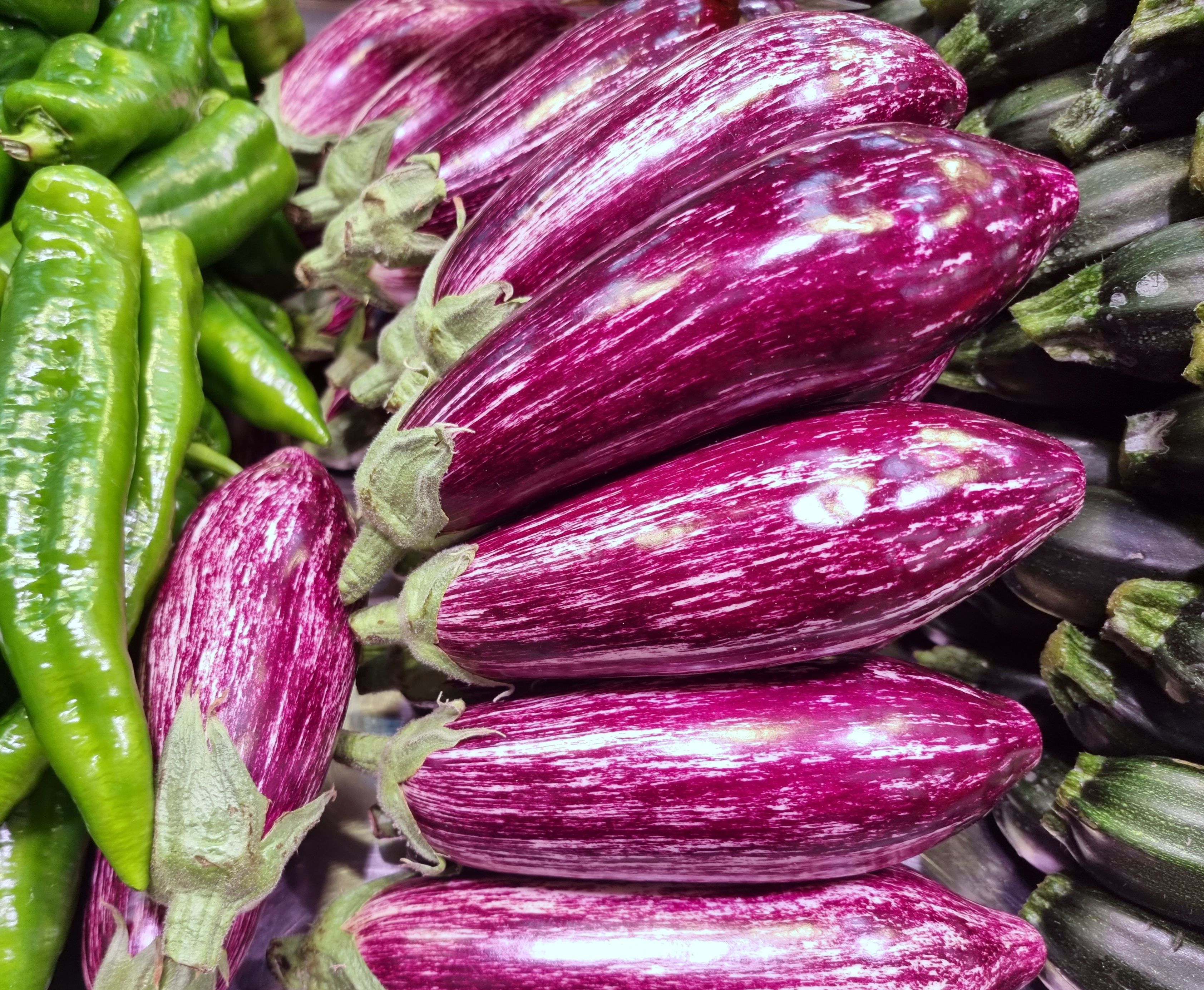
Eggplant still carries a faint trace of its old reputation in its family tree. It is another nightshade, and in parts of Europe and Asia it was once associated with illness, melancholy, and toxicity. Some older writings even suggested the vegetable could cause fever or madness, a claim that had more to do with folklore than evidence.
As with other nightshades, there is a kernel of chemistry behind the myth. Eggplant contains small amounts of bitter compounds and, in some varieties, traces of glycoalkaloids. Raw eggplant can taste harsh, which likely added to the idea that it was unfit or unsafe.
Cooking changed everything. Roasting, frying, salting, and stewing softened its texture and reduced bitterness, making it central to dishes from baba ghanoush to eggplant Parmesan. In the U.S., eggplant is now a routine grocery item, especially in Mediterranean, Middle Eastern, and South Asian cooking. What was once treated cautiously is now blended into dips, layered into casseroles, and tucked into plant-based meals nationwide.
Cinnamon

Cinnamon sounds harmless now, but for centuries it carried rumors of danger because of how mysterious it was to buyers far from its source. In the ancient world and well into the medieval period, traders protected the bark’s origins and often surrounded it with wild stories. Some accounts suggested it came from perilous lands guarded by deadly creatures, giving the spice an almost forbidden aura.
The ingredient itself was not poisonous in normal culinary use, but misunderstanding persisted because spice knowledge was limited and supply chains were secretive. Modern concern centers on coumarin, a natural compound found in cassia cinnamon, the type most often sold in U.S. supermarkets. In very high amounts, coumarin can be harmful to the liver.
Food scientists and regulators have long said typical dietary use is not a problem for most people. That is why cinnamon now shows up in cereals, coffee drinks, baked goods, oatmeal, and snack foods year-round. The bigger story is not that people were wrong to be cautious, but that dose and type matter, and modern consumers rarely stop to think about either.
Nutmeg
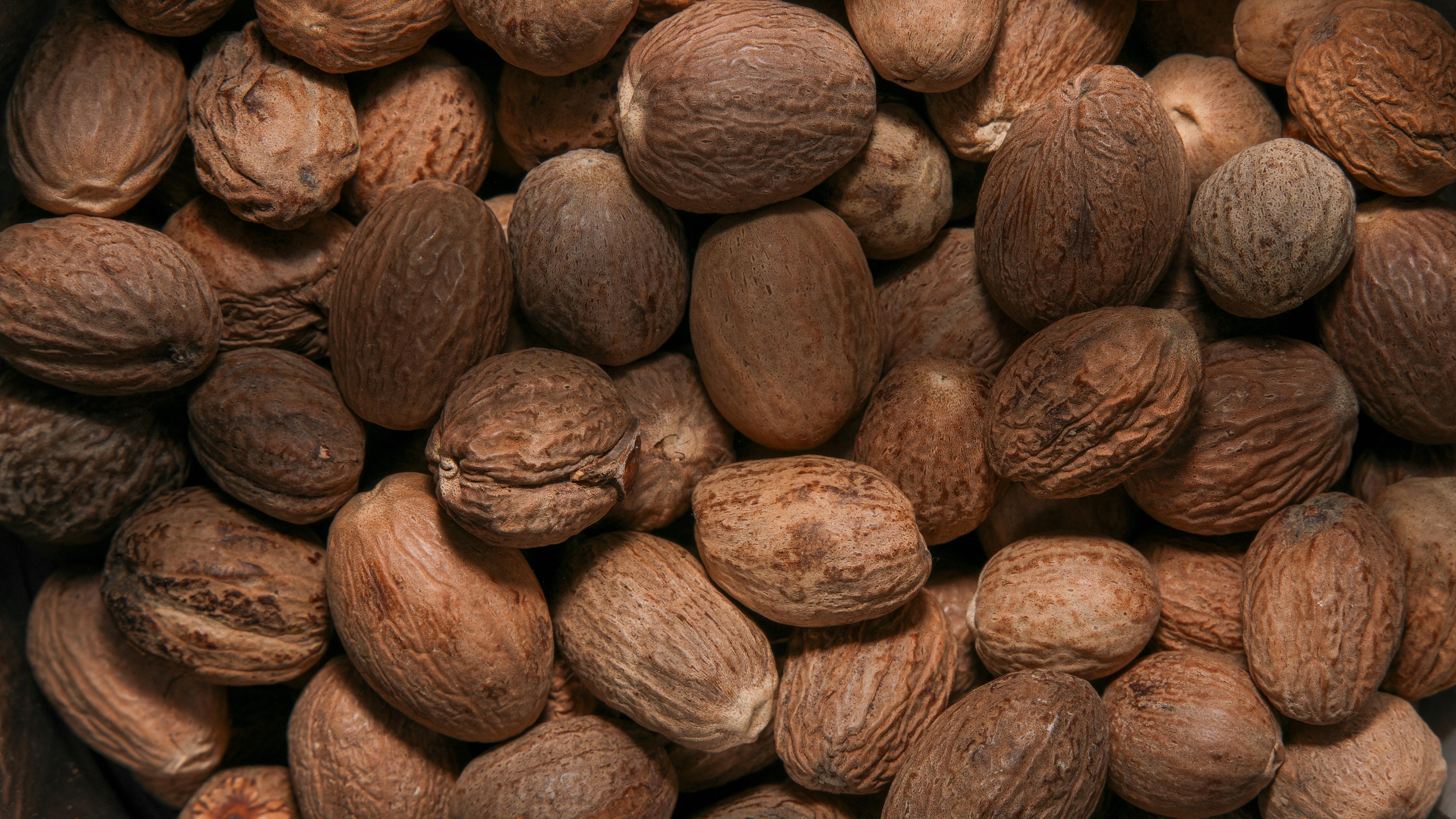
Nutmeg is a baking staple now, especially in cookies, pumpkin pie, eggnog, and holiday drinks, but it has a long history as a spice people treated with both fascination and fear. By the early modern era, it was expensive, tightly controlled in trade, and linked to medicine as much as cooking. That made it seem powerful in ways that invited exaggeration.
Unlike some ingredients on this list, nutmeg can actually be toxic in large quantities. The spice contains compounds including myristicin, and poison control experts have documented cases of hallucinations, nausea, palpitations, and confusion after heavy ingestion. Those cases are uncommon, but they are real and have been reported for decades.
That said, culinary amounts are tiny. A pinch folded into custard or cake batter is nowhere near the level associated with poisoning. Today nutmeg is so normalized that it is sprinkled into lattes and boxed desserts with little attention. Its history shows how an ingredient can be both genuinely risky in excess and perfectly ordinary in the doses most people use.
Cassava
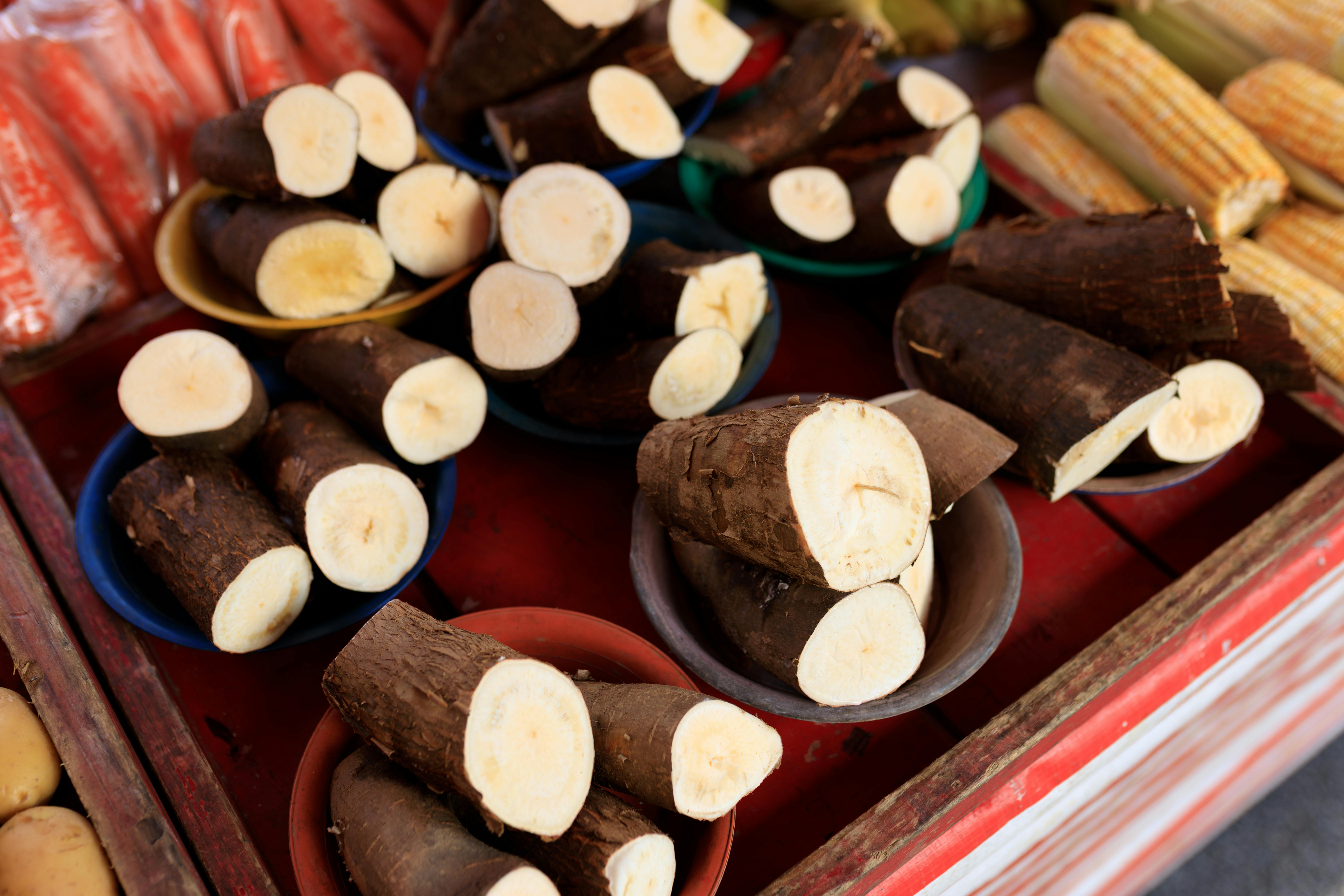
Cassava is less visible than tomatoes or potatoes in many mainstream U.S. kitchens, but it has become far more common in gluten-free flours, chips, starches, and packaged snacks. For centuries, though, it was recognized as dangerous if handled the wrong way. The root, also called yuca or manioc, contains naturally occurring cyanogenic compounds that can release cyanide.
Communities that relied on cassava developed detailed preparation methods to make it safe. Peeling, soaking, grating, fermenting, drying, and thorough cooking all help reduce toxic content. Public health agencies and food safety experts still warn that improper processing can be harmful, especially with bitter cassava varieties.
What matters is that the ingredient’s safety depends on method, not marketing. Properly processed cassava flour and tapioca starch are widely used in commercial foods across the United States. Consumers may see cassava in tortillas, crackers, and grain-free baking mixes and assume it was always a simple pantry item. Historically, it was anything but simple, and that context explains why traditional preparation knowledge remains so important.
Almonds

Almonds are now sold as snack packs, milk, flour, butter, protein bar ingredients, and dessert toppings, but not all almonds were ever equally safe. Bitter almonds contain amygdalin, a compound that can release cyanide when the nuts are crushed or chewed. Sweet almonds, the kind commonly sold in stores, contain far lower levels and are the standard edible variety.
That distinction mattered for centuries, even if many consumers did not understand the chemistry. Historical medical and culinary texts often treated bitter almonds with caution, and modern regulators still restrict or closely monitor their sale in some places. Poisoning risk is highest when bitter almonds are eaten raw and in quantity, especially by children.
Food processing and plant selection changed the picture. Commercial almond production in California, which dominates the U.S. market, focuses on sweet almond varieties used for safe consumption. Bitter almond flavor can still appear in extracts or specialty foods, but usually after controlled processing. So when Americans pour almond milk over cereal or add almond flour to brownies, they are using a food with a poisonous relative that history never fully forgot.