Canada and the United States share the longest international border in the world, and their grocery shelves often look similar at first glance. But a handful of foods that are normal for many Canadians still leave plenty of Americans doing a double take.
The differences matter because food habits often reveal bigger stories about history, regional trade, immigration, and branding. Here are seven foods many Canadians grew up with that still confuse a lot of Americans.
Ketchup chips
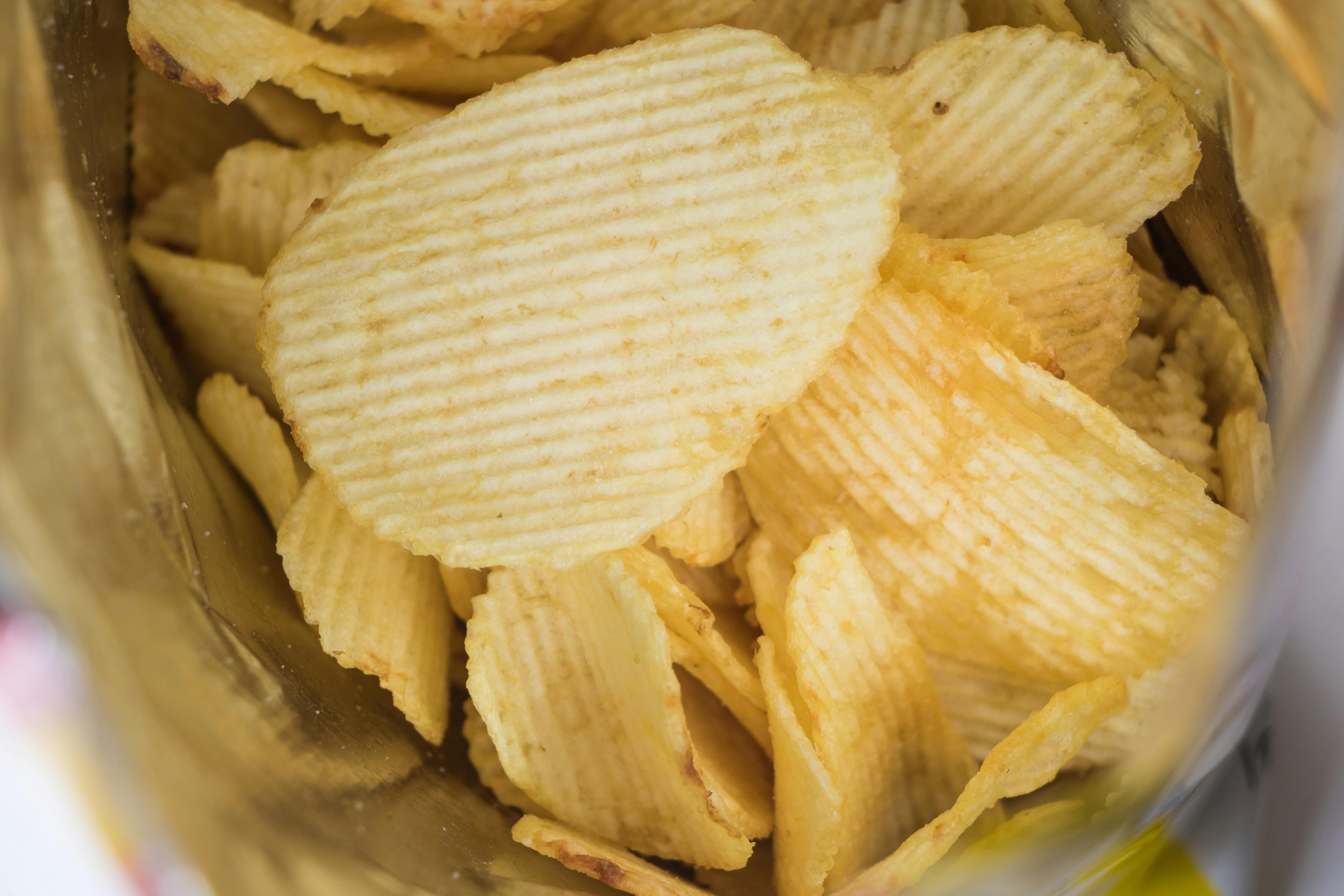
Ketchup chips are one of the clearest examples of a Canadian snack that never fully crossed into the U.S. mainstream. The bright red seasoning and strong sweet-tangy flavor are familiar to Canadians, but many Americans first react to the color before the taste.
Major chip makers have sold ketchup chips in Canada for decades, where they are a standard option beside all-dressed, barbecue, and sour cream and onion. In the United States, the flavor has appeared only in limited runs or specialty imports, which helped keep it in novelty territory rather than making it a pantry basic.
Part of the confusion is that Americans usually associate ketchup with dipping fries or burgers, not coating potato chips. For Canadians, though, the flavor is tied to school lunches, road trips, and corner-store snack runs.
Food industry analysts have long noted that national snack preferences can persist even between neighboring countries. Ketchup chips are a simple case of that. What sounds strange to one market can feel completely ordinary to another.
All-dressed chips

All-dressed chips may be the Canadian snack flavor Americans ask about most. The name itself can throw people off because it does not explain the taste in plain terms.
In Canada, all-dressed generally means a mix of savory, salty, sweet, and tangy seasonings, often compared to a blend of barbecue, sour cream and onion, and salt and vinegar. The flavor became a fixture in Canadian chip aisles and developed a loyal following across several provinces.
Americans who try them often expect one dominant seasoning and instead get a layered taste that is harder to define. That has made all-dressed chips a favorite topic in cross-border food debates and social media taste tests.
U.S. brands have released versions from time to time, but the flavor still feels more Canadian than American. For many Canadians, that is exactly the point. It is a snack that seems normal at home and oddly hard to explain abroad.
Bagged milk

Bagged milk remains one of the most talked-about Canadian grocery habits, especially among Americans seeing it for the first time. Instead of buying milk only in jugs or cartons, many households in parts of Canada buy larger bags that contain smaller sealed pouches inside.
The system became common in Ontario and some other regions after metric packaging changes in the 1970s. Consumers typically place one pouch into a reusable plastic pitcher, snip off a corner, and pour from there.
Americans are often confused not just by the packaging but by the routine around it. The milk itself is not different, yet the format feels unfamiliar enough to become a travel story or internet joke.
In Canada, bagged milk is also a regional issue, not a national one. Many western Canadians did not grow up with it either. That makes it one of the few foods on this list that can confuse both Americans and some Canadians at the same time.
Coffee Crisp
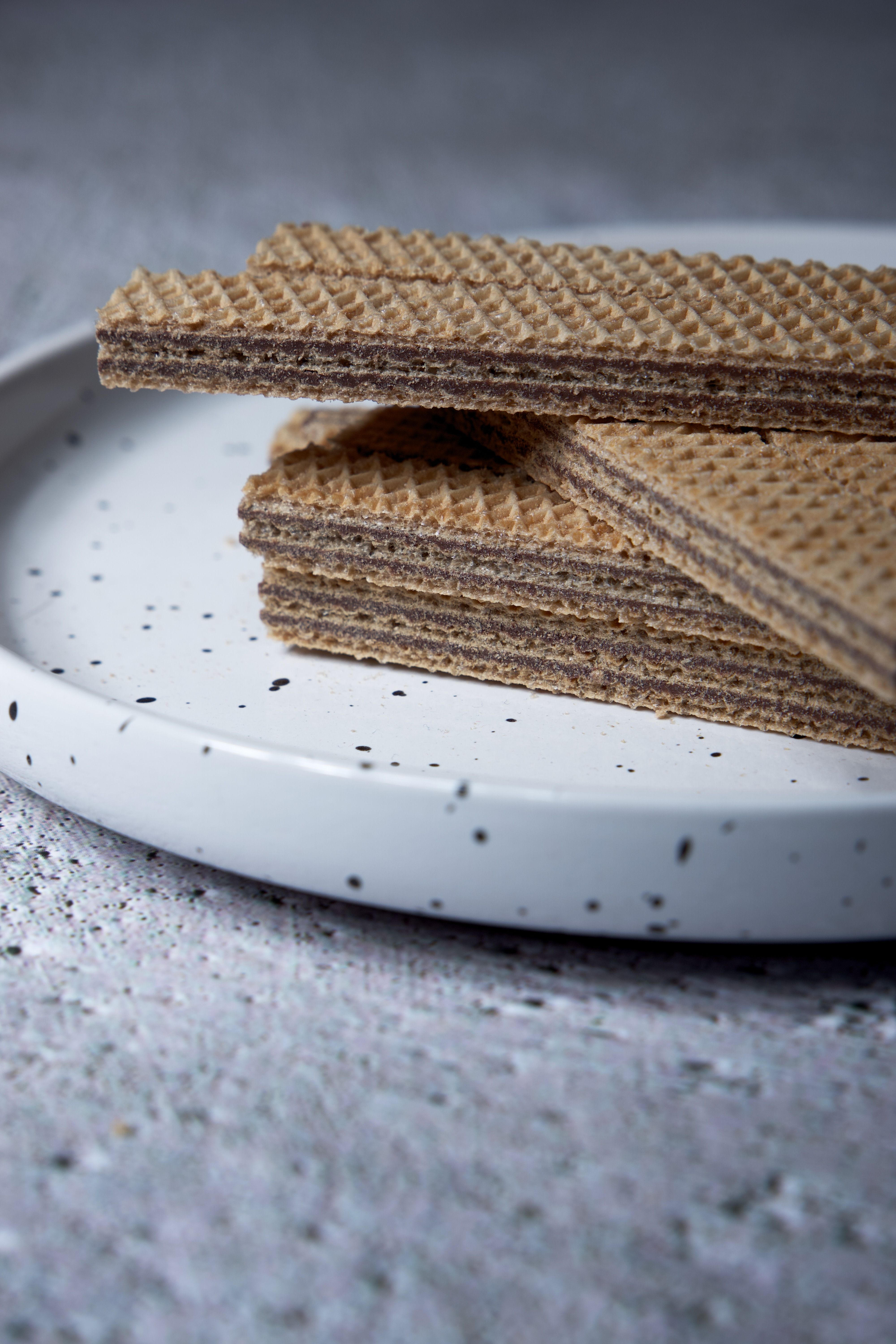
Coffee Crisp is a mainstream chocolate bar in Canada, but in the United States it is still mostly a curiosity. The bar combines thin wafer layers with a coffee-flavored candy filling and a milk chocolate coating.
Its flavor is mild rather than intense, which often surprises Americans expecting something closer to a strong espresso taste. Canadians, by contrast, often view it as a standard checkout-lane candy they have known since childhood.
The product has been sold in Canada for generations and is widely associated with everyday snacking rather than a niche coffee treat. It is one of those items Canadians bring across the border for friends to sample.
Part of the disconnect is naming. In the U.S., a candy with coffee in the title might seem aimed mainly at adult coffee drinkers. In Canada, Coffee Crisp has long been treated as a broad-appeal chocolate bar, not a specialty product.
Caesar cocktail
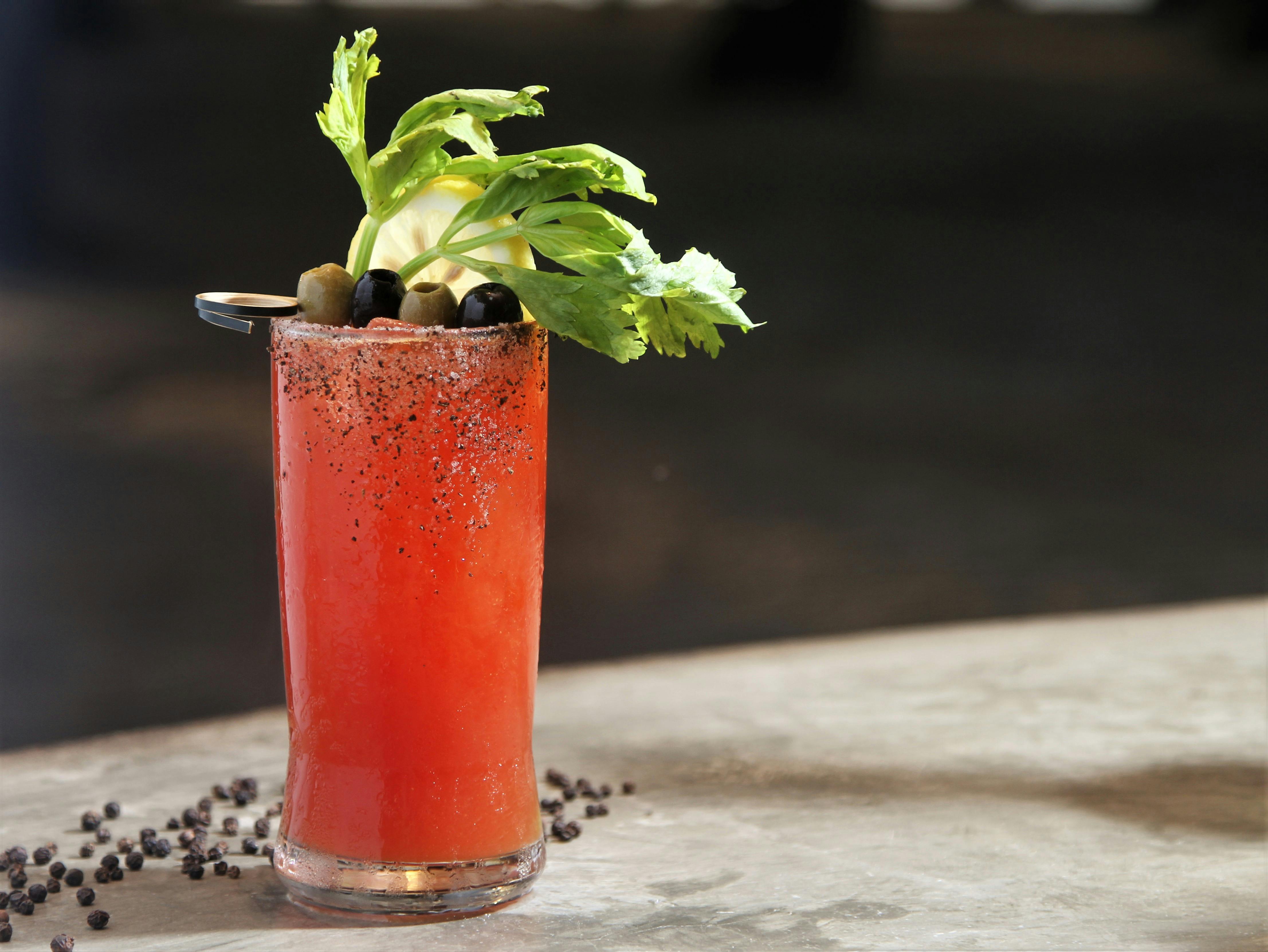
Many Americans know the Bloody Mary, but the Caesar often stops them in their tracks. Invented in Calgary in 1969, the drink uses vodka, hot sauce, Worcestershire sauce, and Clamato, a tomato-clam juice blend.
According to Canadian tourism and beverage groups, Caesars are deeply tied to brunches, bars, and game-day gatherings across the country. Their garnish culture has also grown dramatically, with some restaurants adding pickles, bacon, celery, and even mini burgers.
For Americans unfamiliar with Clamato, the idea of shellfish flavor in a tomato cocktail can sound unusual. That first reaction is common, even though Clamato itself is sold in the U.S. and has a long consumer history.
What keeps the Caesar distinctly Canadian is not just the ingredients but the cultural weight behind it. In Canada it is often the default savory cocktail. In the United States, it is still usually introduced as something exotic from next door.
Butter tarts
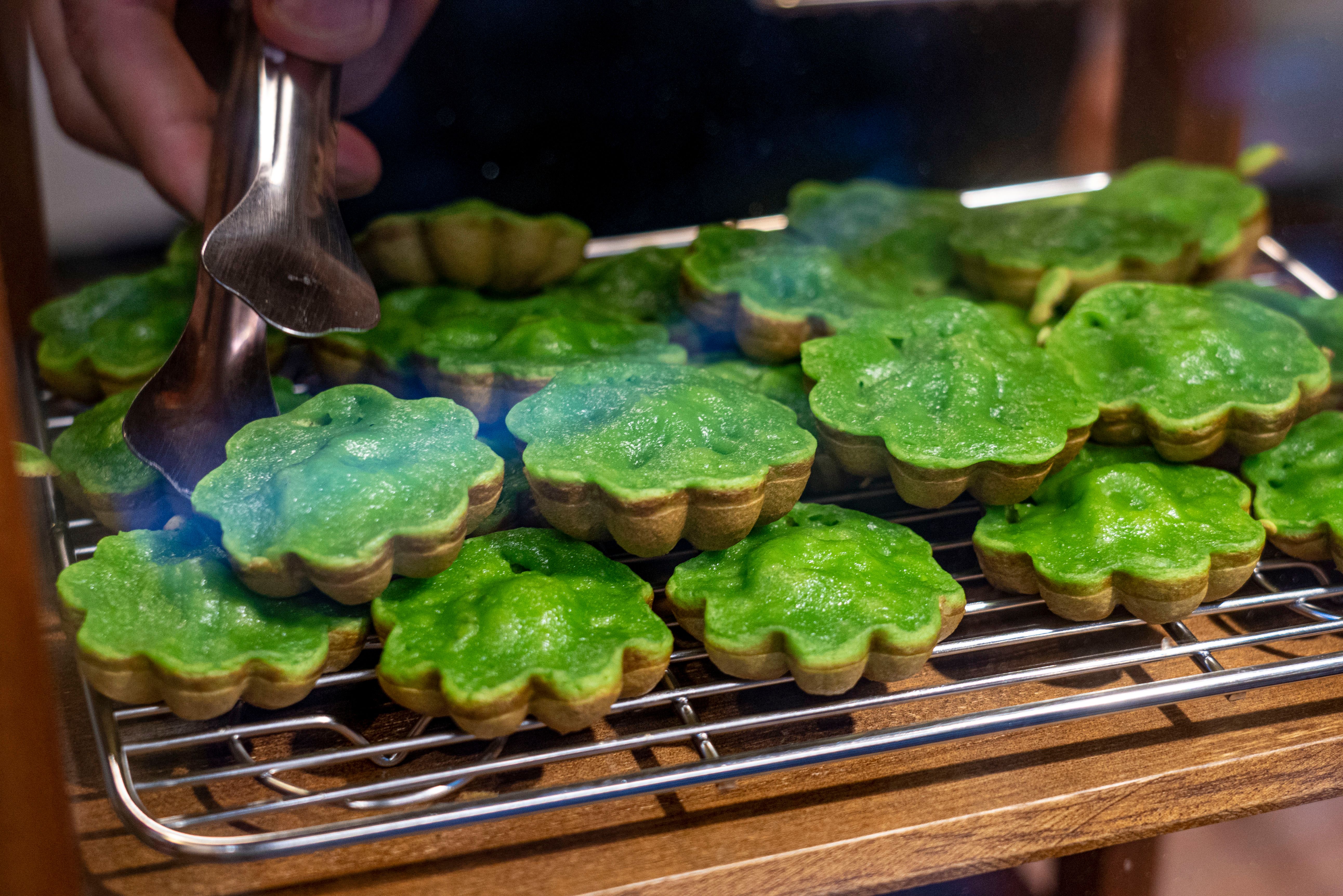
Butter tarts are a classic Canadian dessert that many Americans mistake for pecan pie’s smaller cousin. They are actually their own thing, built from pastry shells filled with butter, sugar, syrup, and egg, sometimes with raisins or nuts.
Food historians have traced butter tart recipes in Canada back more than a century, with strong roots in Ontario baking traditions. The filling can range from firm to runny, and that texture debate is serious business for devoted fans.
Americans encountering butter tarts for the first time often expect a standard mini pie. Instead they get a dessert that is richer, stickier, and less predictable in texture than many U.S. pastries.
That gap between expectation and reality helps explain the confusion. Butter tarts look familiar enough to seem recognizable, but once eaten they clearly belong to a different dessert tradition. For many Canadians, that distinct identity is exactly why they matter.
Nanaimo bars

Nanaimo bars are one of Canada’s best-known no-bake desserts, but they still catch many Americans off guard. Named after Nanaimo, British Columbia, the square typically has three layers: a crumb base, a custard-flavored middle, and a chocolate top.
The dessert appears at holiday tables, bake sales, office parties, and family gatherings across Canada. Recipes vary, but the classic version often includes graham crumbs, coconut, nuts, custard powder, butter, and chocolate.
Americans are often puzzled by the combination of textures and by the use of custard powder in a bar cookie. The name can also be confusing because it gives no clue about flavor or ingredients unless someone already knows the regional reference.
Even so, Nanaimo bars have become a strong symbol of Canadian home baking. They show how a local dessert can turn into a national staple while still feeling slightly mysterious abroad. For many U.S. visitors, one bite usually explains the appeal better than any description can.