Food fraud is not rare, and it is not limited to obscure luxury products. Some of the most commonly faked foods are everyday staples in American kitchens, just sold with premium labels that make them seem special.
That matters because shoppers can pay far more for a product that has been diluted, substituted, or mislabeled. Industry groups, researchers, and regulators have spent years warning that expensive foods attract fraud because the profits can be high and the swaps can be hard to spot.
Extra virgin olive oil

Extra virgin olive oil is one of the most discussed examples of food fraud in the world. It commands a premium because it must meet chemical and sensory standards, yet investigators have repeatedly found oils sold as extra virgin that were lower grade, blended, or improperly stored. In the United States, imports dominate the market, which adds a long supply chain and more room for mislabeling.
Trade groups and testing labs have for years said buyers can be misled by labels that suggest Italian origin, small-batch quality, or fresh harvest dates without offering much proof. In some cases, oils are mixed with refined olive oil or other cheaper vegetable oils. In others, the oil is real olive oil but not truly extra virgin by the time it reaches store shelves.
The issue matters for both price and trust. Consumers may spend two or three times more for a bottle they believe has superior flavor and freshness. Experts often advise looking for harvest dates, dark bottles, producer information, and certification seals, though even those are not a perfect guarantee.
Honey

Honey is expensive enough to tempt adulteration, especially specialty varieties like manuka, acacia, orange blossom, and raw local honey. Scientists and beekeeping groups have long warned that some products sold as honey are diluted with sugar syrups made from rice, corn, or cane. Those additions can be difficult to detect with basic testing, which is why the category has drawn intense scrutiny.
In the US, demand for honey has remained strong while domestic production covers only part of the market. Imported supplies help fill the gap, but complex sourcing can make traceability harder. Some jars are also marketed with claims such as “pure,” “raw,” or floral source labels that may not match the product inside.
For consumers, the fraud can be hard to spot because syrup-blended honey can still look and taste convincing. Industry experts say crystallization, flavor, and viscosity are not reliable proof on their own. The safest bet is often buying from trusted producers who disclose origin and testing, especially when paying top dollar for premium honey.
Saffron

Saffron is often called the world’s most expensive spice by weight, and that price makes it a prime target for fraud. Genuine saffron comes from the dried stigmas of Crocus sativus flowers, and harvesting it is labor-intensive. It takes a huge number of blossoms to produce a small amount, which is why a tiny jar can cost so much.
Because of that, dishonest sellers may bulk it up with dyed corn silk, safflower, turmeric-coated fibers, or even shredded plant material. Powdered saffron is considered even riskier because once the threads are ground, visual clues disappear. Food scientists and spice traders have repeatedly said whole threads are easier to verify than powder.
The best saffron usually releases color and aroma gradually rather than instantly, and the threads have a distinct trumpet-like shape on one end. Still, most shoppers are not forensic spice testers. That leaves room for fraud, especially in online marketplaces and tourist-heavy retail settings where premium labeling can go largely unchecked.
Vanilla

Vanilla is one of the costliest flavoring ingredients in the food business, especially when crop damage pushes bean prices higher. Real vanilla comes from orchid pods that require careful curing and processing. Short supplies in major producing regions such as Madagascar have repeatedly sent prices soaring, which in turn has encouraged imitation and misleading labeling.
Not every substitute is illegal, because imitation vanilla is a legitimate product when clearly labeled. The problem begins when products imply they are made with real vanilla extract or vanilla beans but rely mainly on synthetic vanillin or mixed flavor systems. Some labels can give a premium impression that does not match the ingredient list.
For US shoppers, the confusion often shows up in baking aisles and dessert products. A bottle labeled “vanilla flavored” is not the same as pure vanilla extract, and the price gap can be substantial. Experts say consumers should check the ingredient panel closely, especially when a very low price seems out of step with market conditions.
Wasabi

Most of what Americans eat as wasabi is not true wasabi. In many restaurants and grocery products, the green paste served with sushi is actually a mix of horseradish, mustard, starch, and coloring. That is not necessarily hidden from the industry, but it is often not obvious to diners who assume they are getting the real plant.
True wasabi, Wasabia japonica, is hard to grow, highly perishable, and expensive. It needs specific cool, wet conditions and careful handling after harvest. Because of those limits, authentic fresh wasabi is usually found only in higher-end restaurants or specialty markets, and even then it may be used sparingly.
The pricing difference is huge, which explains why substitution is so common. Consumers paying premium menu prices may still be getting a stand-in unless the restaurant clearly says otherwise. Food experts note that real wasabi tends to have a fresher, more herbal heat rather than the sharp sinus hit most people associate with the imitation version.
Maple syrup

Pure maple syrup has one ingredient: sap concentrated from maple trees. That sounds simple, but the process is slow and weather-dependent, which helps keep prices high. As a result, shoppers often encounter products that look similar but are actually pancake syrups made mostly from corn syrup, sugar syrup, flavoring, and color.
Those products are legal if labeled properly, but confusion is common because packaging often leans on rustic imagery, maple leaves, and words that sound close to the real thing. Some consumers assume any syrup sold near breakfast foods is maple syrup, even when the ingredient panel says otherwise. The price difference can be dramatic.
There have also been cases globally involving mislabeling of grade or origin, especially for premium claims tied to small farms or regional production. For American buyers, the easiest check is the front label and the ingredients list. If it does not say pure maple syrup and list only maple syrup, it is something else.
Kobe beef
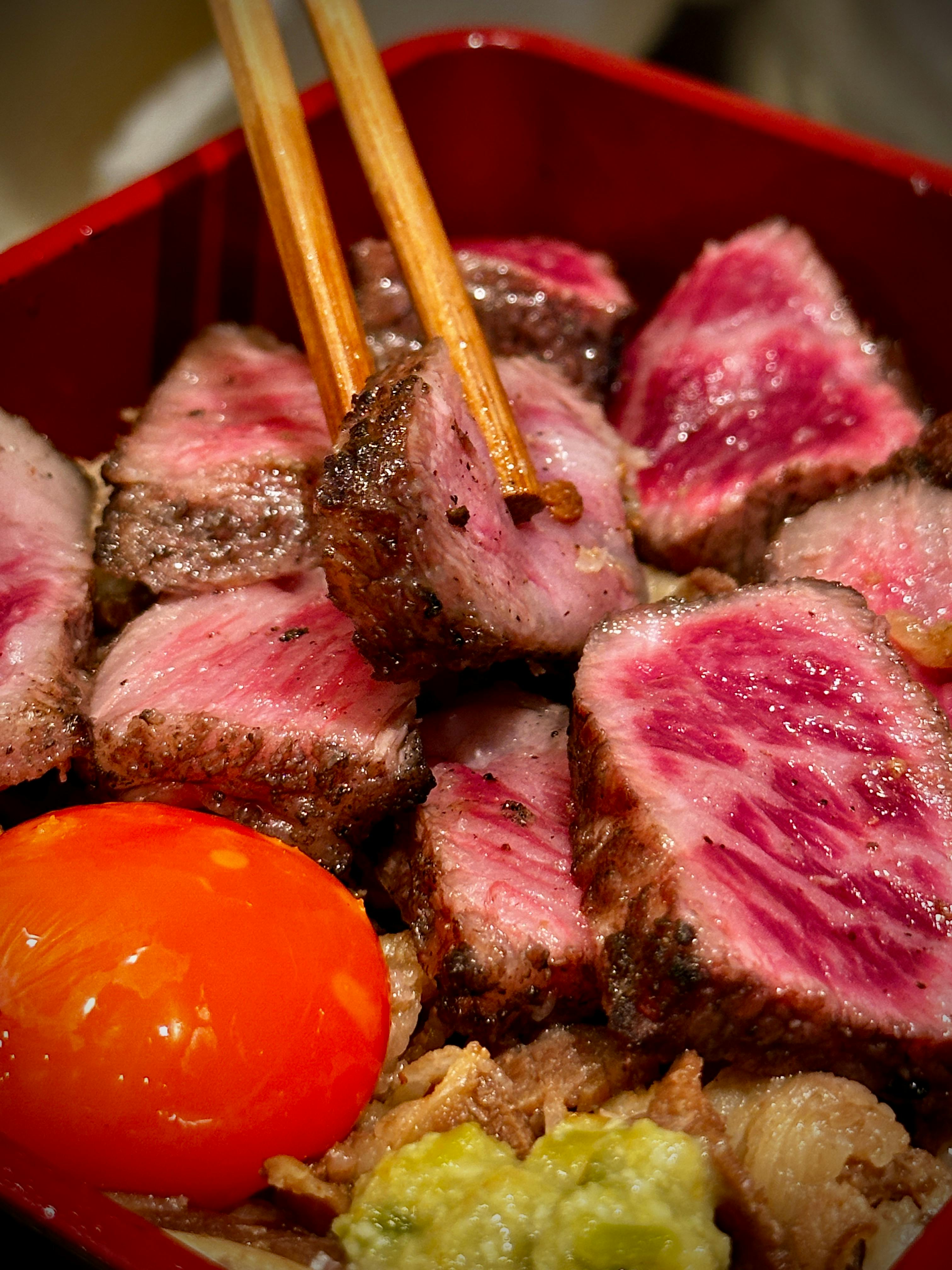
Kobe beef has become shorthand for luxury beef, but authentic Kobe is far rarer than many menus suggest. The name refers to beef from Tajima-gyu cattle raised under strict rules in Japan’s Hyogo Prefecture and certified by official standards. For years, restaurants outside Japan used the term loosely, even when the meat did not qualify.
That has improved as import rules, awareness, and certification have become more visible, but confusion remains. Some restaurants market “Kobe-style” or simply “Kobe” to signal richness, even if the beef is American wagyu crossbreed or another premium cut entirely. Those substitutes can still be high quality, just not the same product.
For diners, the difference matters because authentic Kobe commands very high prices and limited supply. A steak carrying that label should come with verifiable sourcing, and serious restaurants often present certificates or supplier details. If the price seems low for true Kobe, many experts say that is the first sign something is off.
Wagyu beef

Wagyu is broader than Kobe, but it is also frequently blurred in the marketplace. The term refers to Japanese cattle breeds associated with intense marbling, yet in the US it is widely used for domestic crossbred beef as well. That means a package or menu can say wagyu and still describe products with very different genetics, feeding practices, and value.
This is not always fraud in a legal sense, but it can still mislead buyers paying luxury prices. Full-blood Japanese wagyu, purebred wagyu, and American wagyu crossbreeds are not interchangeable. The marbling, texture, and rarity can vary sharply, while the label may not explain the difference clearly.
Industry groups have pushed for more precise labeling because the price spread is so large. For everyday shoppers, origin and breed disclosure matter. If a store or restaurant does not specify whether the beef is Japanese A5 wagyu, American wagyu, or a crossbreed, the premium may rest more on marketing than on verifiable facts.
Truffles
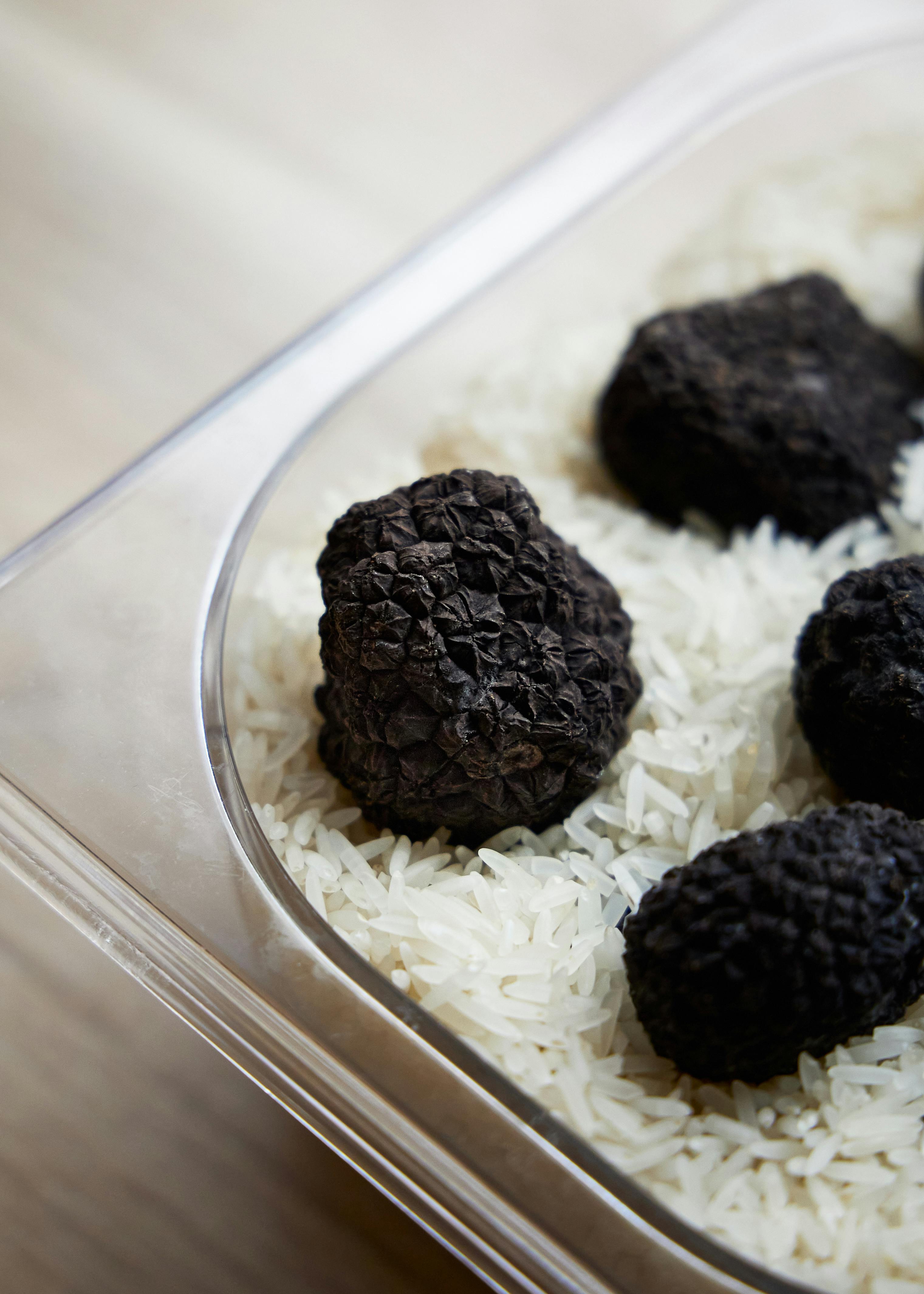
Fresh truffles are among the priciest ingredients sold to restaurants and home cooks, especially white truffles from Italy and prized black truffles from France and Spain. Their scarcity, seasonality, and aroma make them highly valuable. That also makes them vulnerable to substitution, inflated origin claims, and products that use the truffle name more freely than shoppers may realize.
A common issue involves “truffle oil,” which is often flavored with synthetic aroma compounds rather than made from actual truffles. That does not always violate labeling laws, but many consumers assume the product contains real truffle. In fresh markets, lower-value truffle species may also be passed off as more expensive varieties.
Restaurants and retailers know the word truffle boosts prices fast. Experts say buyers should ask about species, origin, and season when paying for fresh truffles. For packaged goods, ingredient lists tell the story. A premium product may advertise truffle prominently while relying mostly on flavoring and only a tiny amount, if any, of the real thing.
Caviar

Caviar traditionally refers to salt-cured roe from sturgeon, a category that has become especially costly because wild stocks were depleted and trade has long been tightly regulated. Farmed sturgeon has expanded supply, but true caviar still carries a luxury price. That has led to frequent confusion with other fish roe sold in similar packaging.
Some substitutes are legal and openly labeled, such as salmon roe, trout roe, or lumpfish roe. The problem is when labels, menus, or marketing blur the distinction and imply a closer connection to premium sturgeon caviar than actually exists. Origin claims can also be important, since country and species strongly affect value.
For US consumers, tins and jars may look almost identical at a glance. Terms like “black caviar” can muddy the picture if the species is not clear. Buyers spending significant money are generally advised to look for the sturgeon species name, country of origin, and producer details rather than relying on glamorous packaging alone.
Parmesan cheese
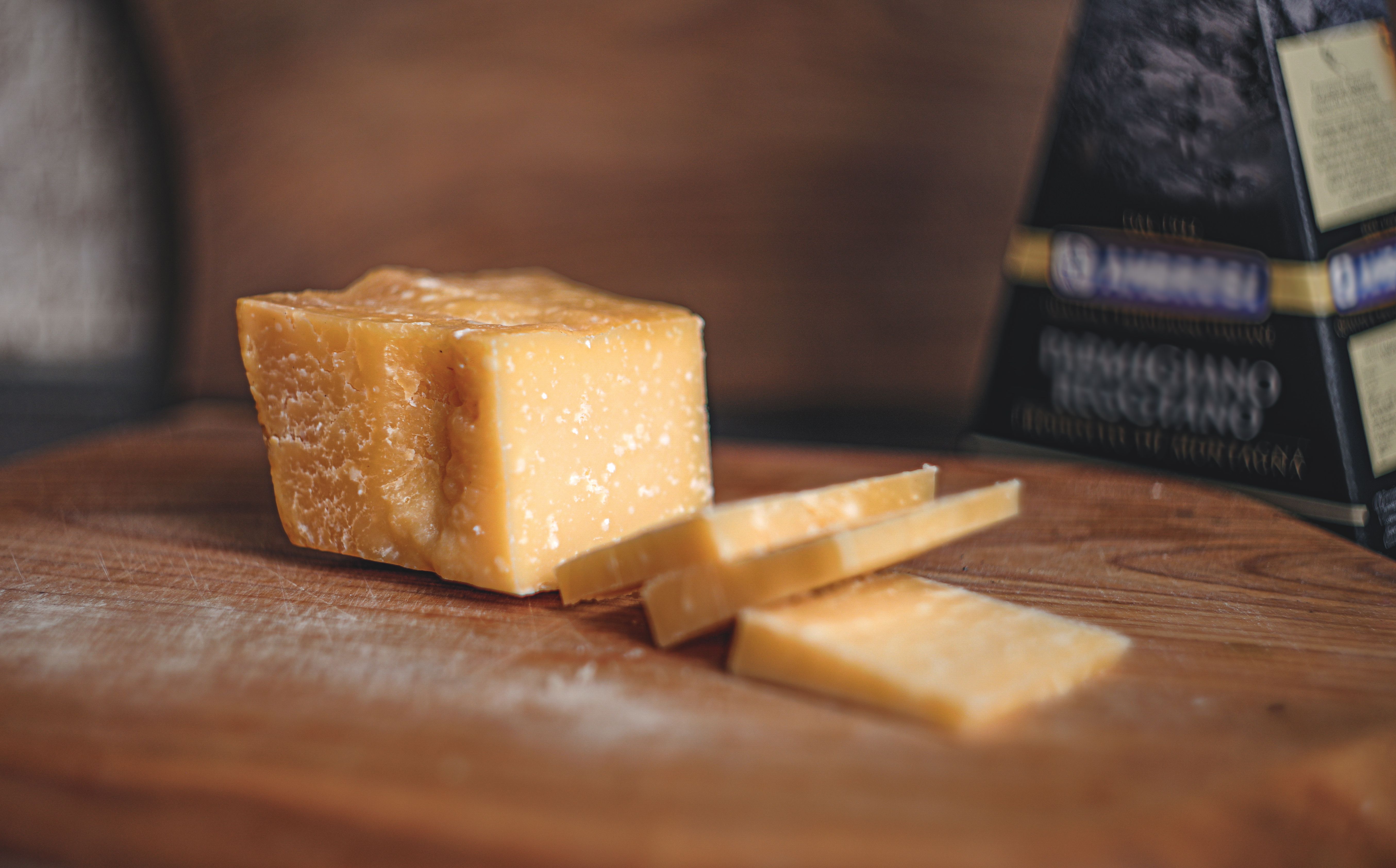
Parmesan is a familiar supermarket example of how naming can get tricky. Parmigiano Reggiano is a protected cheese from specific areas of Italy made under strict rules, while “parmesan” in the US can be used more generically. That means the green-can product and an imported wedge of Parmigiano Reggiano are not comparable, even if shoppers connect them.
Fraud concerns go beyond naming. Food inspectors and lawsuits over the years have highlighted worries about grated cheese products that contain more anti-caking material than expected or lower-value cheeses blended into premium-labeled products. In some cases, packaging language can make a product sound more authentic than it really is.
For buyers, rind markings, origin labels, and certification marks can help identify true Parmigiano Reggiano. Price is also a clue. A bargain tub of pre-grated “parmesan” is not likely to match the flavor, texture, or production standards of the real thing, even though the shelf language may encourage that assumption.
Coffee

Coffee fraud tends to rise when premium beans carry luxury branding. Kona coffee from Hawaii, Jamaican Blue Mountain, and civet coffee are among the best-known examples because their names command very high prices. Researchers and lawsuits have repeatedly raised concerns that blends and mislabeled products can leave consumers paying for prestige rather than authenticity.
Kona is a classic case in the US market. Products labeled as Kona blends may contain only a small percentage of actual Kona beans, with the rest made up of cheaper coffee. That can be legal if disclosed, but packaging often makes the premium origin the star while the fine print tells a more modest story.
The same pattern appears with roast labels, farm claims, and specialty terms. Consumers often assume expensive means single-origin and fully traceable, but that is not always true. Experts say serious buyers should look for exact origin details, percentage disclosures on blends, and roasting information instead of relying on a scenic label.
Tea

Tea can also be faked or exaggerated, especially in high-end categories such as matcha, Darjeeling, rare pu-erh, and first-flush specialty teas. Because subtle differences in region, harvest season, and processing can shift prices dramatically, sellers have incentives to overstate quality. Once tea is ground, blended, or bagged, those claims can be harder for consumers to verify.
Darjeeling has long faced problems with global overuse of its name, according to tea industry officials. Annual volumes sold worldwide have at times far exceeded what the region can actually produce, a sign that imitation or mislabeling has persisted. Matcha faces a similar issue when lower-grade green tea powders are marketed as ceremonial quality.
American shoppers often encounter this through wellness marketing and premium gift tins. A tea may be sold as rare, hand-picked, or estate-grown without much documentation behind it. That does not always mean it is fake, but in premium tea, precise origin, harvest information, and producer transparency usually matter more than fancy packaging.
Balsamic vinegar

Traditional balsamic vinegar is one of the easiest luxury pantry items to misunderstand. Aceto Balsamico Tradizionale di Modena and the related Reggio Emilia traditional product are aged for many years and sold in small bottles at high prices. By contrast, most supermarket balsamic vinegar is wine vinegar with grape must and is much cheaper.
Again, the confusion is not always outright fraud, but packaging can blur the lines. Labels may emphasize Modena, barrel aging, or dark syrupy texture in ways that suggest a closer link to the traditional product than actually exists. Added caramel color or thickeners can make lower-cost products look older and more concentrated.
For shoppers, the key issue is paying premium prices for an ordinary condiment dressed up as a luxury one. Traditional balsamic usually has protected labeling and very small bottle sizes, often 100 ml. If a large bottle is inexpensive, it is almost certainly not the long-aged traditional version people may think they are buying.
Seafood

Seafood may be the broadest food fraud category of all, and it often hits expensive species hardest. Studies in the US and abroad have found repeated cases of fish sold under the wrong name, including red snapper, grouper, halibut, wild salmon, and tuna. Mislabeling can happen in restaurants, markets, and processed products.
The incentive is obvious. A lower-cost fish can be substituted for a premium one with little visible difference once it is filleted, sauced, or rolled into sushi. DNA testing by researchers, advocacy groups, and regulators has repeatedly uncovered mismatches between menu labels and the species actually served to customers.
For the public, the problem is not just money. It can also affect sustainability, allergy risks, and confidence in the food system. Experts say whole fish with skin on, reputable fishmongers, clear catch-area labeling, and species-specific details can reduce the risk. But with seafood, verification often depends on honest supply chains from boat to plate.