

A lot of Americans know Balkan food through kebabs, feta or a pastry from a bakery case. That leaves out the dinners many families across Southeastern Europe actually grew up eating at home.
From Bosnia and Herzegovina to Serbia, Bulgaria, Albania, North Macedonia, Romania, Croatia, Montenegro, Kosovo and Greece’s northern regions, cooks still lean on dishes built around cabbage, peppers, beans, potatoes, lamb, yogurt and bread. The result is a dinner table that is hearty, practical and deeply regional, with recipes shaped by Ottoman, Slavic, Mediterranean and Central European influences.
Sarma
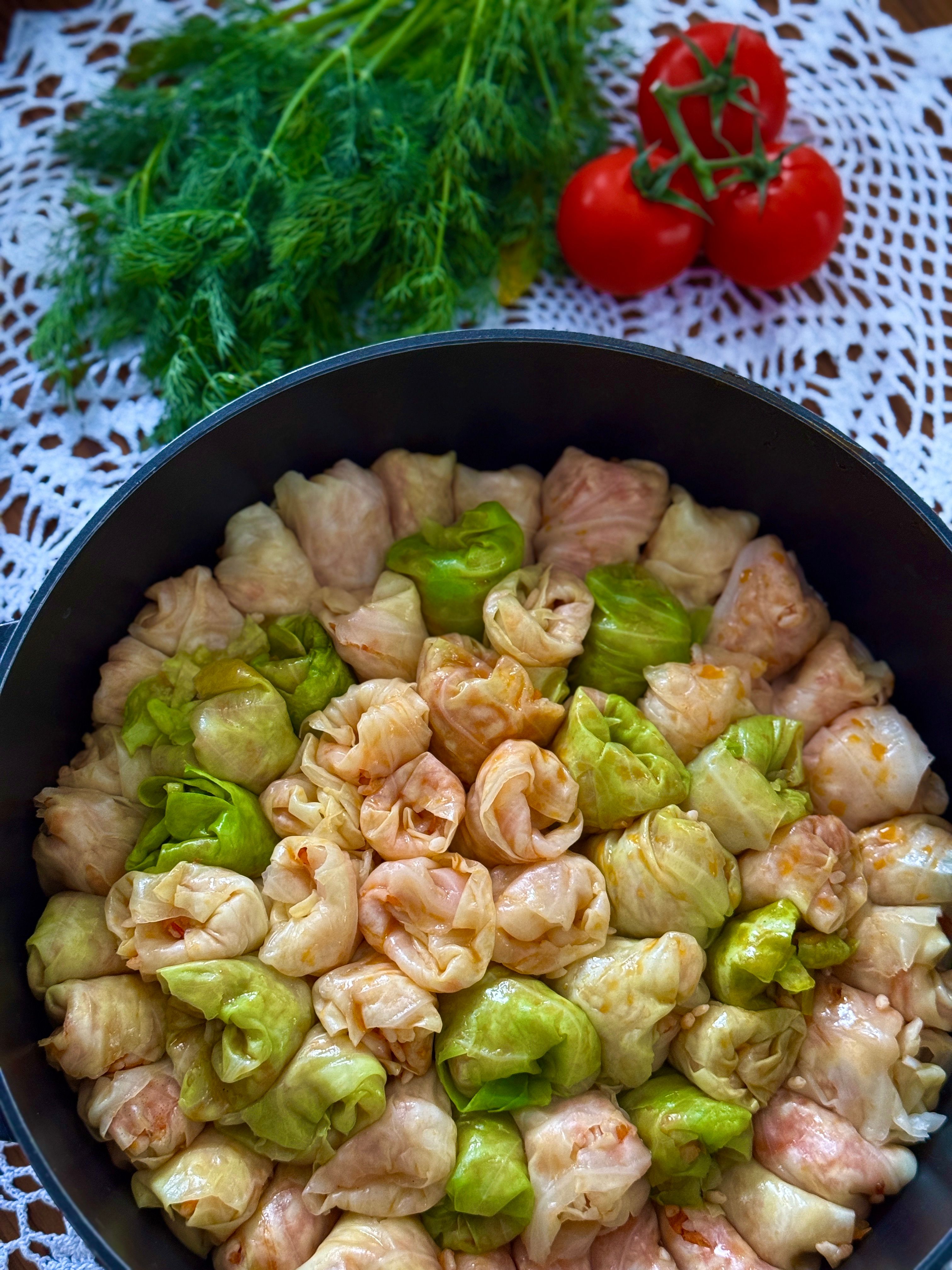
Sarma is one of the clearest examples of a Balkan dinner that travels across borders but still feels local everywhere it appears. In Serbia, Bosnia and Herzegovina, Croatia, North Macedonia, Bulgaria and Romania, the dish usually means minced meat and rice wrapped in fermented cabbage leaves, then simmered slowly for hours.
Families often make it in cold weather, especially from late autumn through winter, when barrels of sour cabbage are common in markets and home cellars. Some versions use smoked pork ribs or beef for extra depth, while others lean more heavily on paprika, pepper and onion.
Food historians regularly point to Ottoman influence in the broader family of stuffed vegetable dishes, but sarma in the Balkans has developed into something more specific: a winter centerpiece. People who grew up with it often describe the smell of a pot cooking all afternoon as the smell of a holiday, a Sunday or a visit to grandparents.
For many Americans, stuffed cabbage may sound familiar, but Balkan sarma is typically more sour, smokier and more intensely savory than the sweeter versions found in some U.S. home kitchens. It is usually served with bread, mashed potatoes or polenta, and leftovers are widely considered even better the next day.
Ćevapi
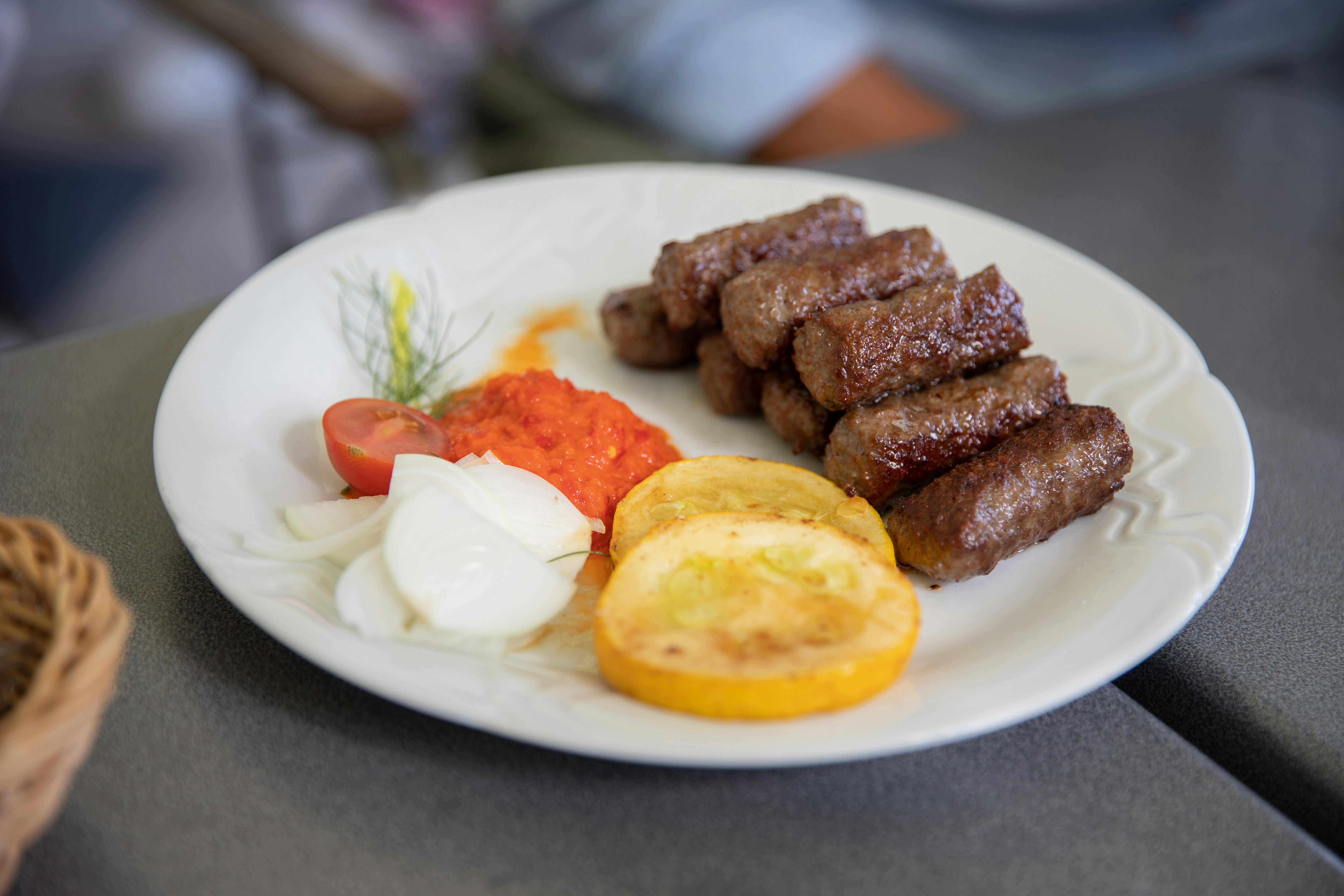
Ćevapi are among the best-known Balkan foods internationally, but in the United States they are still often treated as street food rather than dinner. Across Bosnia and Herzegovina, Serbia, Montenegro and parts of Croatia and Kosovo, the small skinless sausages regularly anchor an evening meal.
The meat mixture varies by region and even by town. Bosnian versions often use beef, while Serbian recipes may combine beef, lamb or pork, shaped into short logs and grilled over high heat until browned but still juicy.
What makes the meal distinct is the way it is served. In Sarajevo and beyond, ćevapi often arrive tucked into somun or lepinja, a soft flatbread, with chopped raw onion and kajmak, a rich dairy spread. In other places, fries or roasted peppers may join the plate.
To Americans used to hamburgers or hot dogs, ćevapi can seem familiar at first glance, but longtime diners say the texture and seasoning are different enough to stand on their own. The dish is less about heavy spice and more about smoke, meat quality and bread that soaks up the juices.
Musaka
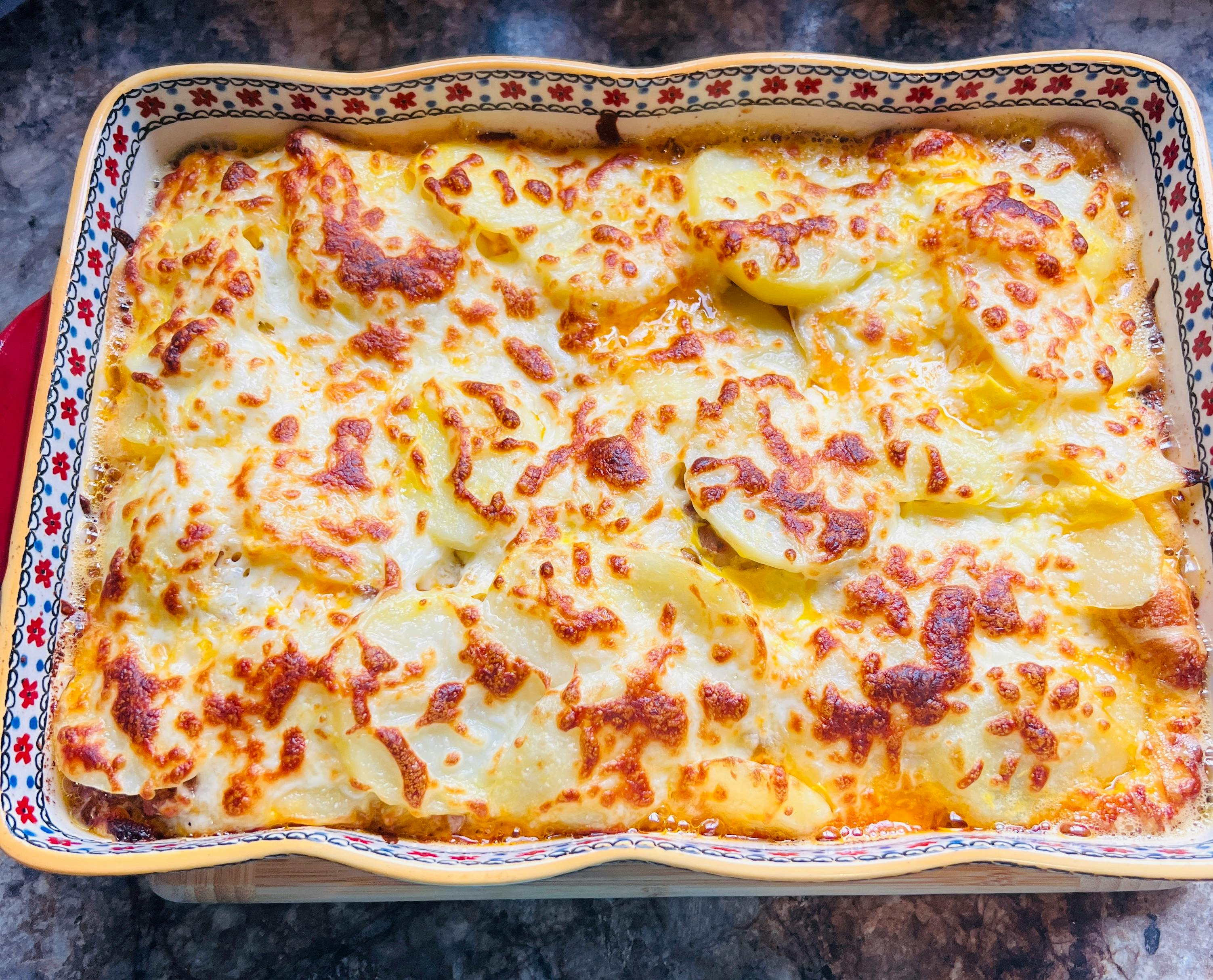
Many Americans hear moussaka and think first of the Greek version layered with eggplant and béchamel. But across the Balkans, musaka or musaka-style casseroles often look very different, especially in Serbia, North Macedonia and Bulgaria, where potatoes are more likely to dominate than eggplant.
A typical home version is built with sliced potatoes, ground meat, onions and seasoning, baked in layers until tender. In Bulgaria, a yogurt-and-egg topping is a defining finish, giving the top a golden, lightly tangy crust that sets it apart from other casserole dishes.
Because the ingredients are inexpensive and filling, musaka has long been a practical family meal. It appears often in school cafeterias, workplace canteens and home kitchens, which helps explain why so many people from the region talk about it with a mix of comfort and fatigue, before admitting they still crave it.
For U.S. readers, the closest comparison may be a cross between scalloped potatoes and shepherd’s pie, but that still misses the Balkan balance of soft potatoes, seasoned meat and creamy topping. Served with yogurt, salad or pickled vegetables, it remains a weeknight standard in many households.
Burek
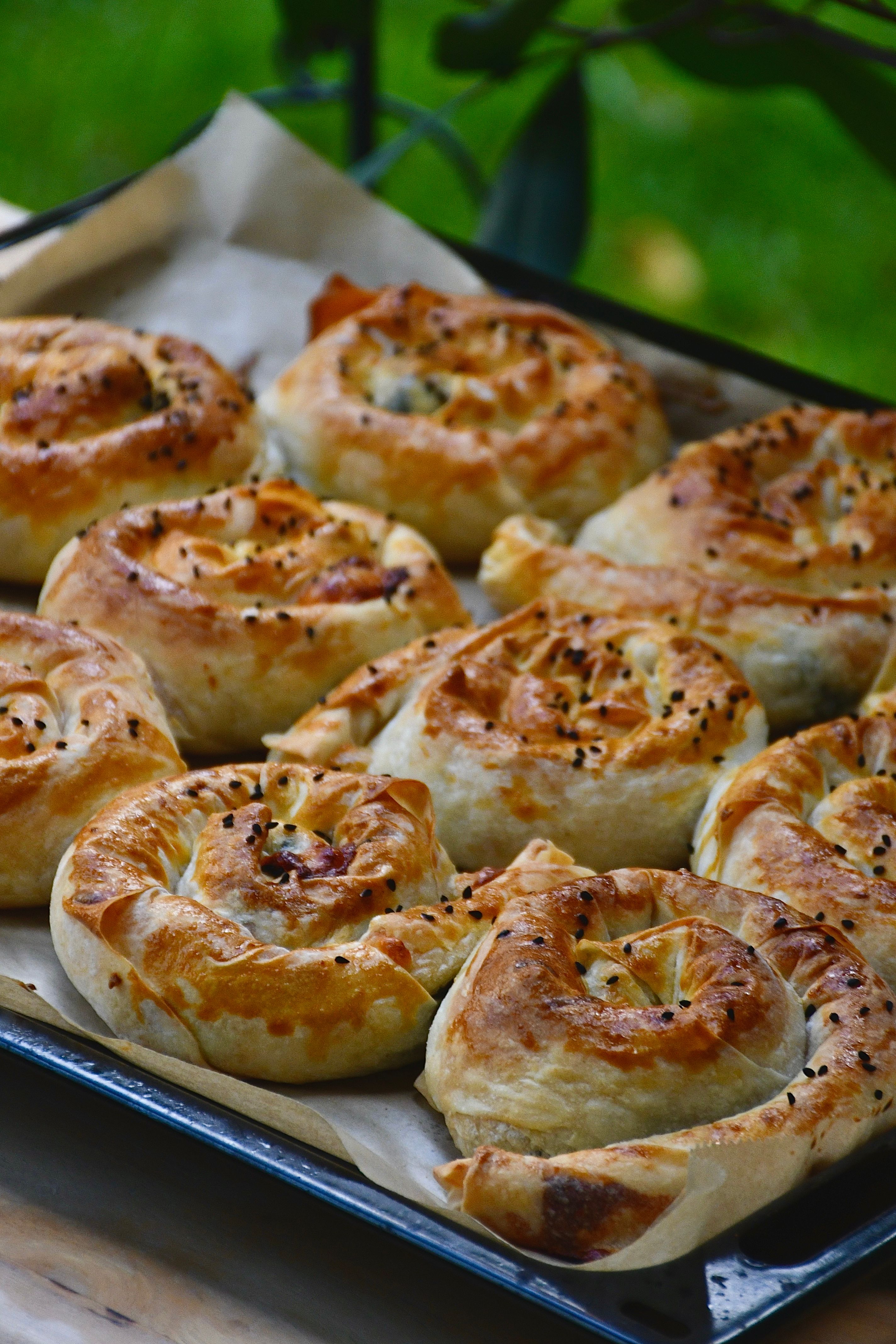
Burek is one of the most debated foods in the Balkans, largely because every place has its own definition. In Bosnia and Herzegovina, many insist burek means only the meat-filled spiral or layered pie, while cheese, spinach or potato versions go by different names. Elsewhere in the region, burek can mean nearly any filled phyllo pastry.
Whatever the naming rule, it is a true dinner for many families, not just a bakery snack. Large trays are baked for evening meals, especially when feeding several people quickly and cheaply.
The dough is stretched paper-thin, brushed with fat or oil, then filled and coiled or layered before baking. Meat burek is especially common, but sirnica with cheese, zeljanica with greens and krompiruša with potatoes are equally established on home tables.
Americans familiar with spinach pie or savory pastries may recognize the general idea, yet Balkan burek is usually richer, more elastic in texture and more central to everyday life. It is commonly eaten with plain yogurt or drinkable yogurt, a pairing that locals often treat as non-negotiable.
Tavче Gravче

Tavče gravče, often called North Macedonia’s national dish, turns humble beans into a dinner with real staying power. The name refers to beans baked in a traditional earthenware dish, and the meal remains common in homes, restaurants and Orthodox fasting periods when meat is avoided.
The core ingredients are simple: white beans, onions, red pepper, oil and seasonings, often including paprika and dried peppers. Some cooks keep it strictly meatless, while others add sausage or smoked meat outside fasting seasons.
Its reputation comes from depth rather than complexity. The beans are usually first cooked, then baked so the top concentrates and thickens, creating a dish that is both creamy and robust. Bread, chopped onions, ajvar or pickled peppers often complete the table.
For Americans, bean dinners usually suggest chili or baked beans, but tavče gravče lands in a different place. It is less sweet than typical U.S. baked beans, less spicy than chili, and more about earthiness, olive oil or sunflower oil, and slow oven heat that brings everything together.
Shopska Salad with Grilled Meat
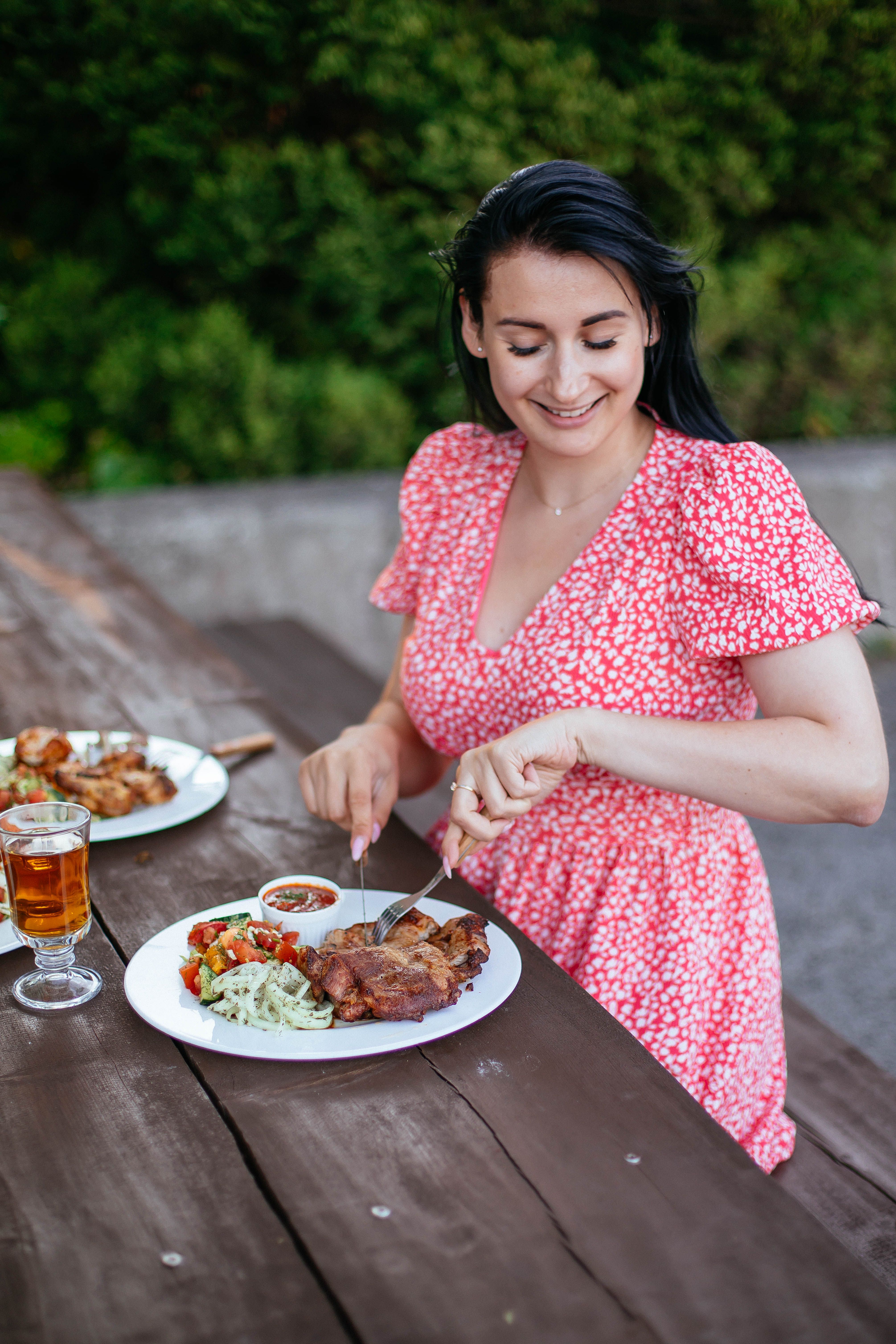
Shopska salad may sound too light to count as dinner on its own, but across Bulgaria, North Macedonia and Serbia it is often paired with grilled meat to form one of the most common warm-weather evening meals. The salad combines tomatoes, cucumbers, peppers and onions, topped with grated white brined cheese.
Its colors are often described as echoing the Bulgarian flag, and the dish became widely promoted in the socialist era by the state tourism agency Balkantourist. Over time it spread well beyond Bulgaria and became a fixture across the region.
At dinner, it typically sits beside grilled pork neck, kebapche, chicken or sausages. The contrast matters. The cool, acidic vegetables and salty cheese cut through smoke and fat, making the whole meal feel balanced rather than heavy.
For Americans, this kind of meal may read as a cookout plate with a side salad, but the taste profile is different because of the brined cheese and the emphasis on ripe summer produce. In Balkan households, it is one of the clearest signs that hot weather has truly arrived.
Punjene Paprike
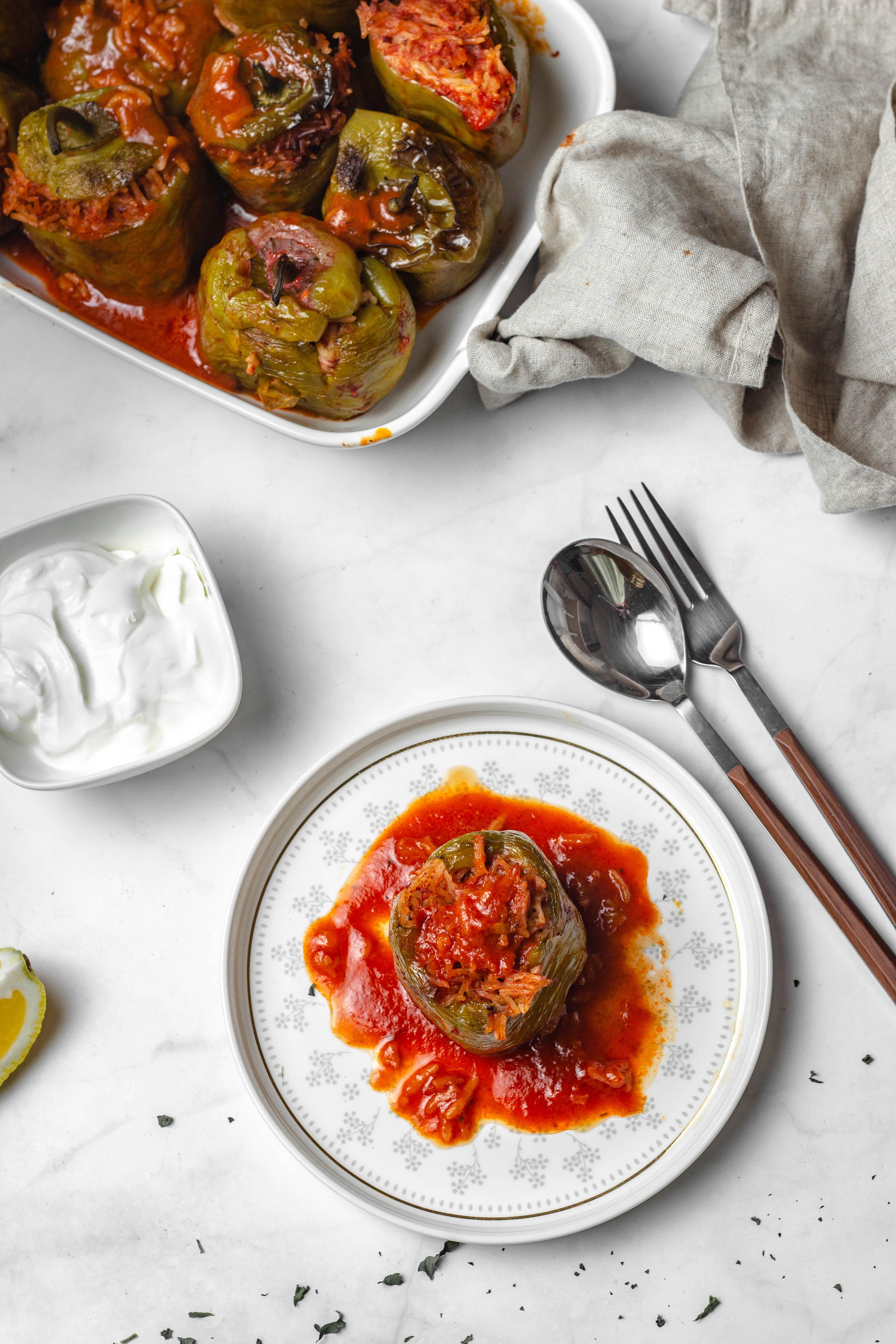
Punjene paprike, or stuffed peppers, are a deeply familiar dinner across Croatia, Serbia, Bosnia and Herzegovina, Montenegro and neighboring countries. Bell peppers are filled with a mixture of minced meat, rice and spices, then simmered in a tomato-based sauce until soft.
The dish is especially common in late summer and early fall, when peppers are abundant and inexpensive. Home cooks often prepare large pots, since the meal reheats well and can feed several generations gathered around one table.
Regional differences are subtle but meaningful. Some cooks use more paprika, others rely on dill or parsley, and some make the sauce thicker and sweeter while others keep it light. In Romania and Bulgaria, related stuffed pepper traditions are equally well established.
Americans know stuffed peppers, but Balkan versions are usually looser in texture and more sauce-driven, designed to be eaten with bread or mashed potatoes. The appeal, people from the region often say, is that each pepper absorbs the flavor of the pot while keeping its own sweetness.
Pljeskavica

Pljeskavica is often described as a Balkan burger, but locals usually argue that comparison only goes so far. Popular in Serbia, Bosnia and Herzegovina, Montenegro and North Macedonia, it is a broad, flat patty made from minced meat, usually a blend, then grilled over open flame.
The seasoning is generally restrained, though onion, garlic, paprika and black pepper may appear depending on the recipe. Some versions are stuffed with cheese or hot peppers, and Leskovac in southern Serbia is especially known for its grill tradition.
As a dinner, pljeskavica may be served on a plate with fries, onions, urnebes, ajvar or roasted vegetables, not only in bread. That distinction matters because at home it often functions more like a main course than a sandwich.
For U.S. diners, the burger comparison helps with orientation but can also undersell the dish. Pljeskavica tends to be thinner, smokier and more elastic in bite, with a stronger role for condiments like kajmak and pepper relishes rather than ketchup and mustard.
Goulash Balkan-Style

Goulash is associated most strongly with Hungary, but versions of gulaš are firmly rooted in Croatia, Serbia, Bosnia and Herzegovina and other parts of the Balkans. The dish usually involves beef or pork simmered slowly with onions, paprika and stock until it becomes a thick stew.
Balkan cooks often serve it with mashed potatoes, pasta, dumplings, gnocchi or polenta, depending on the household and region. That flexibility has helped it stay relevant as both a home meal and a restaurant staple.
Unlike some American beef stews that rely heavily on carrots and celery, Balkan goulash tends to focus on meat, onion and paprika-driven sauce. The flavor is deep but not usually fiery, and the texture often lands between a stew and a ragù.
People who grew up with it often link it to Sunday lunch or dinner, hunting season, family celebrations or big pots made for guests. For Americans, it can feel familiar in comfort level but distinct in seasoning and serving style, especially when eaten with bread to mop up the sauce.
Kapama
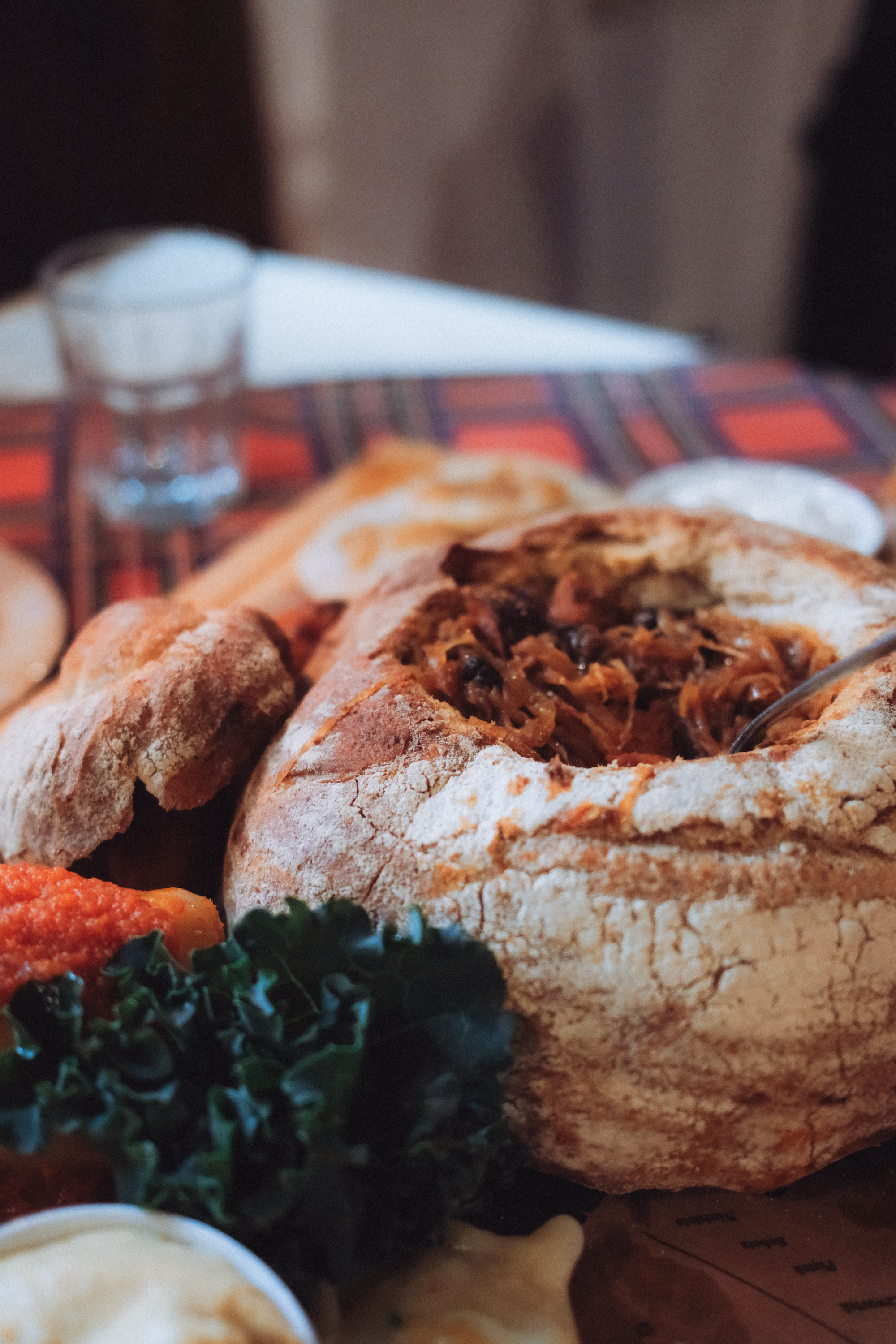
Kapama is less widely recognized outside the region, but in Bulgaria and parts of North Macedonia it remains one of the most striking slow-cooked dinners. The dish is traditionally layered in a clay pot with sauerkraut, rice and several meats, which can include pork, chicken, sausage or veal.
In some versions, wine and spices are added, and the pot is baked for hours at low heat. The result is intensely aromatic and especially tied to winter, holidays and larger family gatherings.
Because it is labor-intensive and often made in quantity, kapama is not an everyday meal in every household. But where it is part of family tradition, it carries the same kind of emotional weight that Americans might attach to a Thanksgiving roast or Christmas ham.
Its appeal comes from contrast: sour cabbage, rich meat and starch absorbing the cooking juices. Many U.S. diners have likely never encountered this combination in one dish, yet for people raised with it, kapama is proof that patience and a clay pot can transform basic ingredients.
Janiya Stews

Janiya, spelled in several ways across the region, refers broadly to saucy stews that show the Ottoman imprint on Balkan home cooking. They are especially common in Bosnia and Herzegovina, North Macedonia, Bulgaria and parts of Serbia, often built around meat with vegetables like okra, peas or potatoes.
The structure is usually simple. Meat is browned or simmered, onions are cooked down, vegetables are added, and the whole dish is thickened naturally or with a light roux. The end result is softer and more spoonable than grilled meat dinners.
Okra janiya in particular remains a beloved but divisive meal, especially among people who either grew up loving its silky texture or avoiding it completely. Other versions are easier for broad audiences, including pea or potato stews with beef or lamb.
To Americans, janiya may resemble stew, but the seasoning and vegetable choices make it feel different, as do common sides like rice, bread or yogurt. In many homes, these dishes are valued less for showiness than for the way they stretch ingredients and still taste deeply satisfying.
Stuffed Zucchini and Eggplant

Stuffed vegetables are a major Balkan dinner category, and zucchini and eggplant are central once summer peaks. Across Albania, North Macedonia, Bulgaria, Greece’s north and the former Yugoslav states, cooks hollow out vegetables and fill them with meat, rice, onion and herbs before baking or simmering them.
These meals reflect a long-standing regional habit of cooking what is abundant. In market season, zucchini and eggplants are cheap, fresh and easy to prepare in bulk, making them practical for family dinners.
Some versions are finished with tomato sauce, while others lean on oil, herbs and their own juices. The fillings also shift according to religion, fasting periods and budget, with meatless versions using rice, onions and herbs alone.
For Americans, stuffed zucchini may sound like a health-food update, but in the Balkans it is not framed as trendy. It is traditional, filling and often associated with grandmothers, garden harvests and the kind of dinner that tastes better after resting for an hour.
Pasticada and Similar Braises

On the Adriatic side of the Balkans, especially in Croatia’s Dalmatian region, pašticada stands out as a formal dinner dish with deep local roots. The classic version uses beef marinated and braised slowly with wine, vinegar, prunes or dried fruit, and aromatic vegetables until the sauce turns dark and glossy.
It is most often served with gnocchi and appears at weddings, feast days and major family events rather than ordinary weeknight dinners. Even so, its place in regional food culture is large enough that many people grow up treating it as the benchmark for celebratory cooking.
The sweet-savory profile surprises some first-time diners. That combination reflects older Mediterranean and Central European influences that shaped coastal Balkan cooking over centuries of trade and empire.
Most Americans have had pot roast, but pašticada is sharper, darker and more layered, with vinegar and dried fruit balancing the richness. For people from Dalmatia, few dishes carry the same sense of occasion, effort and inherited family pride.
Grah and Bean Stews

Bean stews are among the most common dinners in the Balkans, even if they rarely get top billing in restaurant coverage. Grah, pasulj and related dishes appear across Bosnia and Herzegovina, Serbia, Croatia and beyond, often made with white or brown beans, onion, paprika and smoked meat.
In poorer eras and in rural households, beans were a practical protein source that could feed large families cheaply. That history still shapes the emotional pull of the dish today, even as many versions now include sausage, bacon or smoked ribs.
The best-known pots cook low and slow, with beans absorbing smoky, salty flavor over several hours. Some cooks finish the stew with a paprika roux, while others keep it brothy. Bread, raw onion and pickles often accompany it.
American readers might compare it to ham and bean soup, but Balkan bean stews are typically thicker, more paprika-forward and more likely to stand alone as dinner. For many people in the region, they represent the kind of modest meal that somehow never loses its appeal.
Roasted Lamb and Potatoes
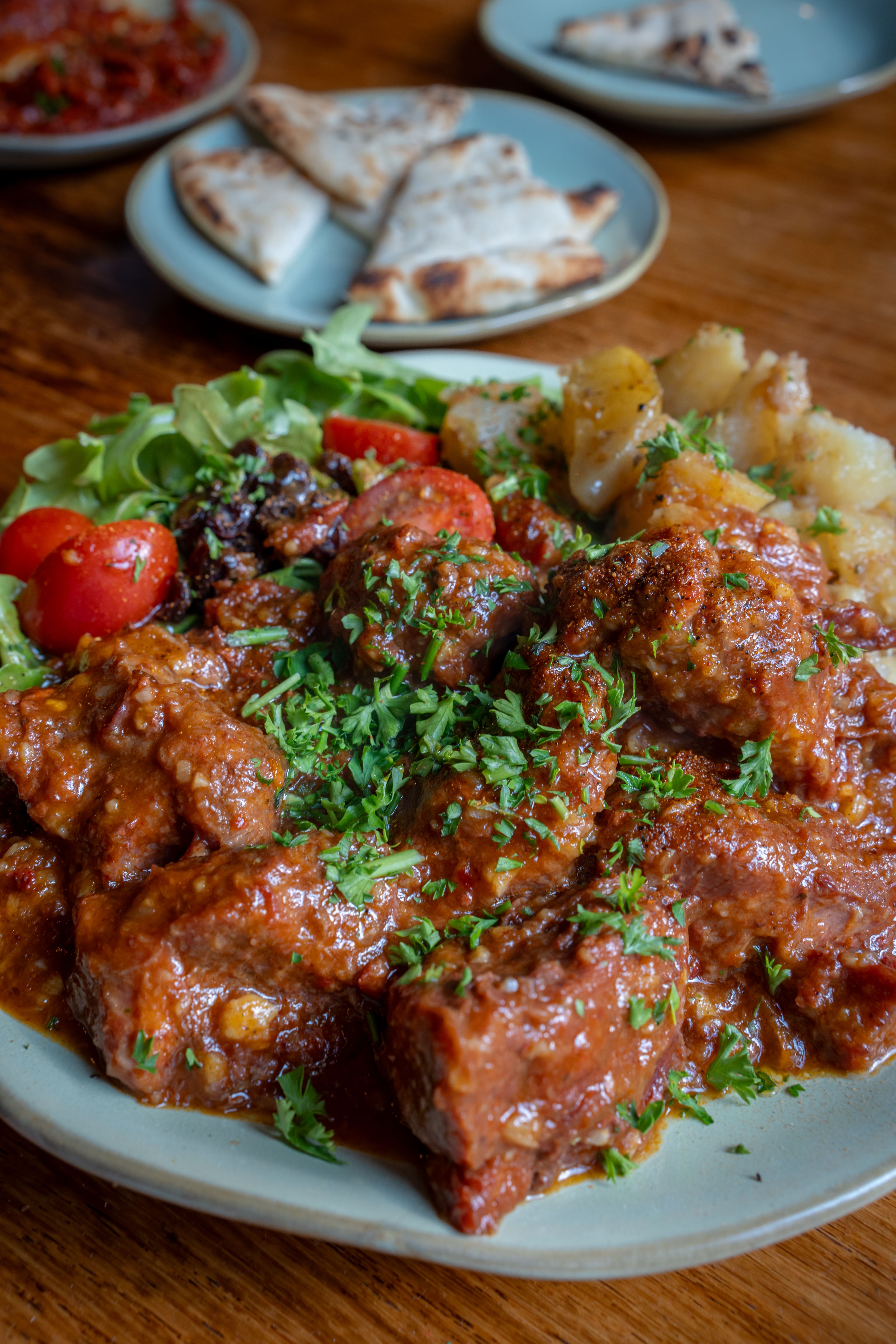
Roasted lamb is a powerful marker of celebration across Albania, Kosovo, North Macedonia, Montenegro, Bosnia and Herzegovina, Croatia and Serbia. While preparation styles vary, the basic format is familiar: lamb roasted slowly, often with potatoes, until the meat is tender and the edges crisp.
This is the kind of dinner tied to weddings, religious holidays, village gatherings and major family milestones. In some areas, whole lamb is spit-roasted outdoors for hours, while home versions use a roasting pan and a simpler setup.
The popularity of lamb reflects geography as much as taste. Sheep herding has long been part of life in many mountainous Balkan regions, and festive meals developed around what local communities raised.
Americans certainly eat lamb, but usually in a narrower set of forms such as chops or leg roast. Balkan-style lamb dinners are often more communal and more rustic, with shared platters, bread and salads. For families who grew up with them, few meals better capture the sound and feel of a true gathering.
Why These Dinners Still Matter

What connects these 15 dinners is not only geography but function. They are meals built to feed families, use seasonal produce, stretch meat, preserve vegetables and make ordinary ingredients memorable through technique and time.
That matters in the United States right now, as interest in regional European cooking grows beyond pizza, pasta and French bistro staples. Balkan restaurants have expanded in several U.S. metro areas over the past decade, particularly in cities with immigrant communities from the former Yugoslavia, Bulgaria, Romania and Albania.
Still, many of these dinners remain far less familiar to mainstream American diners than tacos, ramen or pho. That gap means home cooking continues to carry much of the tradition, with recipes passed through families rather than standardized by chains or packaged food brands.
For people who grew up eating sarma, burek, tavče gravče or roasted lamb, the claim that nothing compares is not marketing language. It is a reflection of memory, migration and meals that still define home long after people leave the region.


