

Eating alone used to carry a stigma in many places. Mukbang helped change that by turning solo meals into a shared digital routine for millions of viewers.
What began in South Korea on livestream platforms is now a global video category spanning YouTube, TikTok, Twitch, and regional apps. Audience data, creator followings, and platform trends show that a relatively small group of personalities played an outsized role in making the format mainstream.
Banzz helped define mukbang as a repeatable format

Banzz is widely cited as one of the early mukbang figures to reach mass popularity in South Korea, where the format first gained traction in the early 2010s. His streams focused on large meals, steady interaction, and a consistent presentation style that made the act of eating feel structured rather than odd. That mattered because he helped turn a niche online habit into appointment viewing.
Early South Korean reporting on mukbang’s growth described viewers tuning in during dinner hours and late at night, often while eating by themselves. Banzz’s popularity showed there was demand for that kind of digital companionship. His audience became evidence that solo eating could be reframed as communal when a screen created the sense of a shared table.
His influence also came from repetition. Rather than treating eating as a one-off stunt, he made it serial content. That model became central to the category and gave later creators a blueprint that still shows up across global food video today.
Dorothy pushed the sensory side of the category forward

Dorothy became known for videos that emphasized spicy foods, crisp textures, and highly audible bites. As mukbang spread beyond Korea, that style translated especially well to algorithm-driven video platforms, where visual intensity and distinctive sound could capture attention quickly. In practical terms, she helped move mukbang closer to what many viewers now associate with ASMR-adjacent food content.
The numbers behind that shift are visible across platforms. Food ASMR and mukbang clips routinely generate millions of views, especially in short-form video ecosystems where sound and texture drive repeat watching. Dorothy’s work arrived during the period when audiences were starting to value not just what was eaten, but how it sounded and looked on camera.
That changed eating-alone content in a subtle way. It was no longer only about companionship. It also became about sensory immersion, giving viewers a way to experience comfort, stimulation, or stress relief while dining on their own.
Yuka Kinoshita globalized the genre for YouTube audiences

Japanese creator Yuka Kinoshita became one of the biggest mukbang-adjacent names on YouTube by combining extreme portion challenges with an upbeat, approachable delivery. Her success showed the format could travel outside its Korean roots and still retain a strong audience. For many English-speaking viewers, she was among the first creators to make oversized meal videos feel familiar rather than foreign.
Her channel growth reflected a broader YouTube trend in the mid-2010s, when food entertainment became one of the platform’s most durable categories. Recommendation systems rewarded highly visual videos with strong watch time, and large-meal content fit that pattern. Kinoshita helped prove that solo eating on camera could scale internationally without losing its intimacy.
That mattered culturally because it loosened the idea that eating alone was something private or embarrassing. On YouTube, her style made the act look cheerful, social, and worth watching, even without a live chat window.
Stephanie Soo turned mukbang into conversation-driven media

Stephanie Soo helped reshape the format by mixing meals with long-form storytelling, commentary, and true-crime discussions. Her approach widened the audience far beyond viewers looking only for food sounds or oversized portions. In effect, she treated the meal as a setting for conversation, more like a dinner table than a performance challenge.
That strategy lined up with what platform data increasingly showed: audiences were staying for personality and narrative, not just consumption. Podcast-style pacing, strong viewer retention, and loyal fan communities made creators like Soo less dependent on novelty eating alone. The food remained central, but it was no longer the only reason to tune in.
For people eating by themselves, that format offered something especially relatable. It mirrored the way many consumers already use audio and video during meals, as company. Soo helped normalize mukbang as conversational companionship rather than spectacle alone.
Zach Choi elevated production quality and visual precision
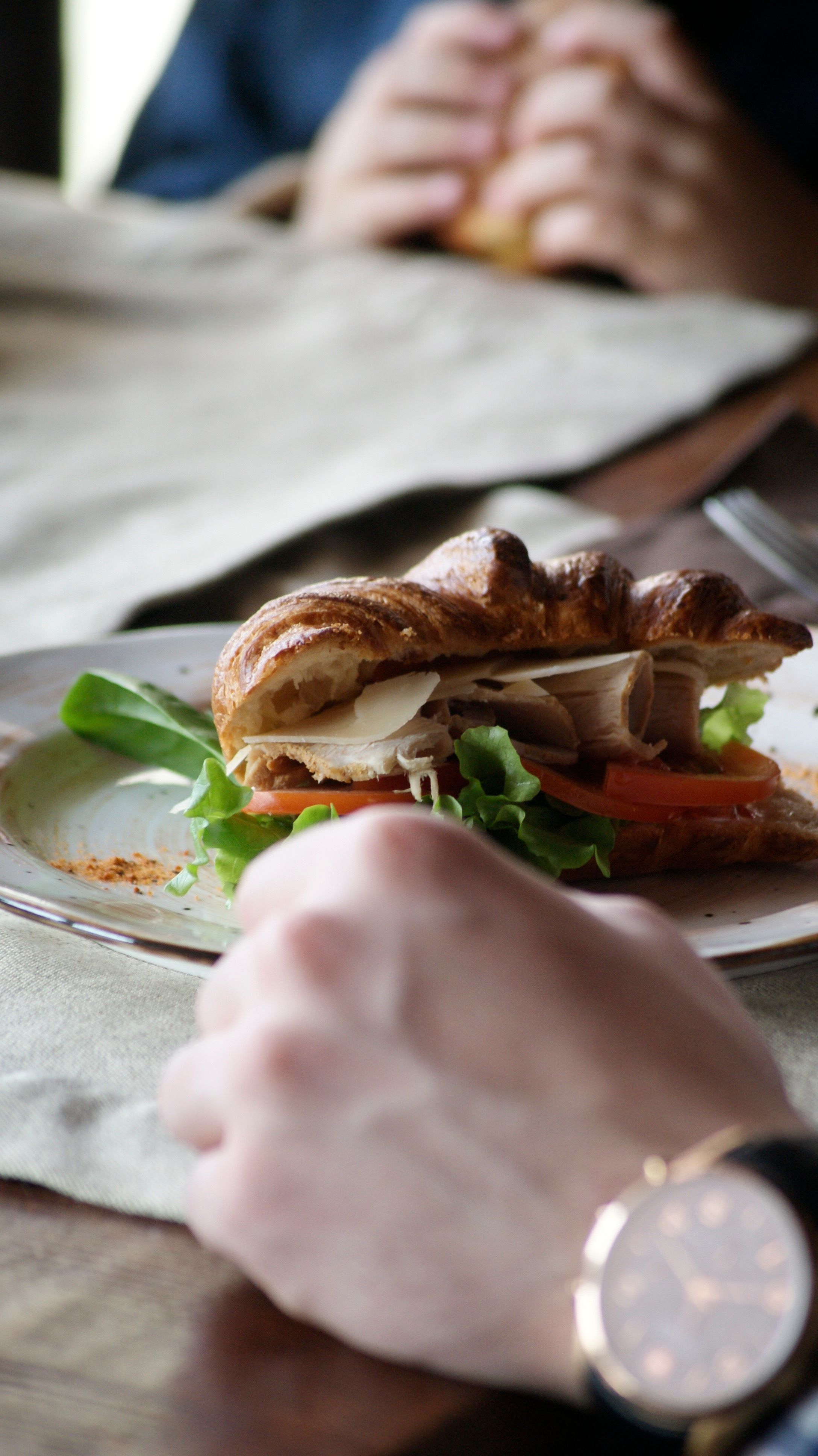
Zach Choi became one of the most recognized mukbang creators in the United States by leaning heavily into clean visuals, close-up framing, and tightly edited sound. His videos often minimized talking and emphasized polished presentation. That helped make mukbang more accessible to viewers who might have found earlier livestream versions chaotic or culturally unfamiliar.
His rise also tracked with the expansion of food content on YouTube into premium-feeling creator media. High-resolution shots, carefully arranged meals, and precise audio gave solo eating videos a cinematic quality. That aesthetic broadened the category’s appeal among younger viewers and mainstream U.S. audiences.
In a practical sense, Choi changed expectations. Mukbang did not have to look improvised to feel personal. By making eating-alone content visually elegant, he helped push it into the same polished creator economy as beauty, gaming, and lifestyle video.
Nikocado Avocado made mukbang impossible to ignore

Nikocado Avocado became one of the internet’s most talked-about mukbang figures by combining oversized meals with emotional storytelling, conflict, and dramatic personal branding. His videos drew enormous attention, even from people who did not regularly watch food content. That level of visibility made mukbang part of mainstream online conversation in the U.S.
His impact is measurable in search interest, reaction content, and repeated media coverage about health, performance, and creator culture. He turned mukbang into a flashpoint for debates over authenticity and the risks of algorithmic escalation. Viewers were not just watching a meal. They were watching a persona unfold around it.
That complicated the public image of eating alone online. Mukbang was no longer seen only as cozy or comforting. Through Nikocado, it also became a lens for discussing excess, loneliness, fame, and digital pressure.
Keemi showed the staying power of a calmer style

Keemi built a loyal audience with a friendlier, lower-drama version of mukbang that emphasized warmth, routine, and food enjoyment. In a crowded category, that steadier tone helped prove the format did not need shock value to perform. Viewers often returned for consistency, which is one reason mukbang remains a habit-based genre.
That pattern matches broader consumer behavior around food media. Many people use repeat-viewing content as part of daily routines, especially during lunch breaks, solo dinners, or late-night snacking. Keemi’s style fit that use case well because it felt predictable and relaxed rather than exhausting.
Her influence is important because it points to what sustains the category over time. Viral moments draw headlines, but dependable creators keep audiences coming back. In that sense, she reinforced mukbang’s role as a form of everyday company.
Tzuyang brought scale and stamina back to the spotlight

South Korean creator Tzuyang became famous for consuming huge amounts of food while maintaining an upbeat and approachable on-camera presence. Her videos regularly drew major view counts, and her popularity underscored that classic big-portion mukbang still had enormous pull. She represents the version of the genre that is most instantly recognizable to global audiences.
At the same time, her success showed how far the format had professionalized. Production values improved, sponsorship opportunities expanded, and fan bases became international. Mukbang was no longer just a local livestream phenomenon. It had become a transnational creator business with real commercial power.
For viewers, Tzuyang kept alive the core appeal that launched the trend in the first place: amazement, appetite, and shared mealtime energy. Even in a fragmented media market, that formula still works.
Hamzy highlighted how food culture travels with creators

Hamzy gained broad attention through videos centered on Korean home-style meals, convenience foods, and comfort dishes presented in a visually inviting way. Her content helped expose international viewers to everyday Korean food beyond restaurant staples. In that sense, she used mukbang not only as entertainment but also as informal food media.
That matters because eating-alone content often works best when it feels familiar and domestic. Viewers are not just watching quantity. They are watching routines, side dishes, cooking setups, and table habits. Hamzy made those details part of the attraction, and audiences responded strongly.
As mukbang spread globally, creators like Hamzy showed that the genre could shape food curiosity as much as viewing habits. A solo meal on camera could also function as cultural introduction, especially for younger audiences discovering dishes through social platforms first.
SAS-ASMR broadened the genre beyond traditional mukbang audiences

SAS-ASMR became a major name by blending mukbang with highly controlled ASMR sound design, often using seafood boils, honeycomb, and other visually striking foods. Her videos attracted viewers who may not have identified as mukbang fans at all. Instead, they came for the calming audio, repetitive crunch, and sensory payoff.
That crossover effect is significant in audience terms. It expanded the category into wellness-adjacent viewing, stress relief, and passive entertainment. In many cases, the video was consumed less like a meal companion and more like background relaxation content. Yet it still revolved around a person eating alone on camera.
By widening the entry point, SAS-ASMR helped normalize the format for new demographics. Mukbang became easier to understand when framed through sensory satisfaction, and that gave the genre a larger, more diverse global audience.
Bloveslife turned seafood mukbang into a business model

Bloveslife helped popularize seafood boil mukbang in the U.S., pairing large platters with a signature sauce that became a commercial product in its own right. That move showed how a creator could turn eating content into a consumer brand. The business side of mukbang became much clearer through her success.
Her growth reflected another key shift in creator economics. Audiences were no longer just watching food. They were buying into recipes, merchandise, seasoning mixes, and personality-driven food trends. In that model, solo eating videos functioned as both entertainment and product demonstration.
For the broader culture, Bloveslife made mukbang feel especially American in its commercialization. The shared meal was still there, but it came with retail power. That helped push the format deeper into mainstream food entrepreneurship.
Matt Stonie connected competitive eating with mukbang-era viewing
Matt Stonie is best known as a competitive eater rather than a traditional mukbang creator, but his video success influenced how audiences consume solo eating content online. His challenge-based uploads brought sports-like stakes, measurable records, and mass appeal. That overlap helped pull viewers toward adjacent mukbang content, especially on YouTube.
Data across food video categories suggests audiences often move fluidly between eating challenges, ASMR, recipes, and conversational mukbang. Stonie benefited from that overlap and helped reinforce it. He showed that watching one person eat could be thrilling, not just comforting or relaxing.
Taken together, these 12 creators changed more than a video genre. They helped recast eating alone as connected, performative, marketable, and, for millions of viewers, entirely normal in the digital age.


