

Late-night eating is common in the United States, but the way people eat at night can signal more than simple hunger. Dietitians, sleep specialists, and psychologists say nighttime food habits often reflect stress, boredom, poor sleep, overwork, and emotional strain.
That does not mean a midnight snack is a diagnosis. But experts say repeated patterns around food after dark can offer a useful snapshot of how someone is coping, resting, and regulating emotions.
Eating straight from the fridge

Opening the refrigerator door and eating whatever is easiest to grab is one of the most familiar late-night habits. Experts say it often reflects mental fatigue more than physical hunger. After a long day, decision-making tends to drop, and convenience starts to win.
Researchers who study self-control and food behavior have long found that tired people are more likely to choose quick, highly rewarding foods. That can mean leftover pizza, deli meat, spoonfuls of dip, or random bites of several different items. The pattern matters because it often shows a person is not pausing long enough to ask what they actually need.
Dietitians say this kind of grazing can be a sign of stress, time pressure, or emotional overload. It may also point to poor meal structure earlier in the day. If dinner was skipped or too small, the late-night fridge raid may be less about impulse and more about delayed hunger catching up.
Craving something crunchy every night
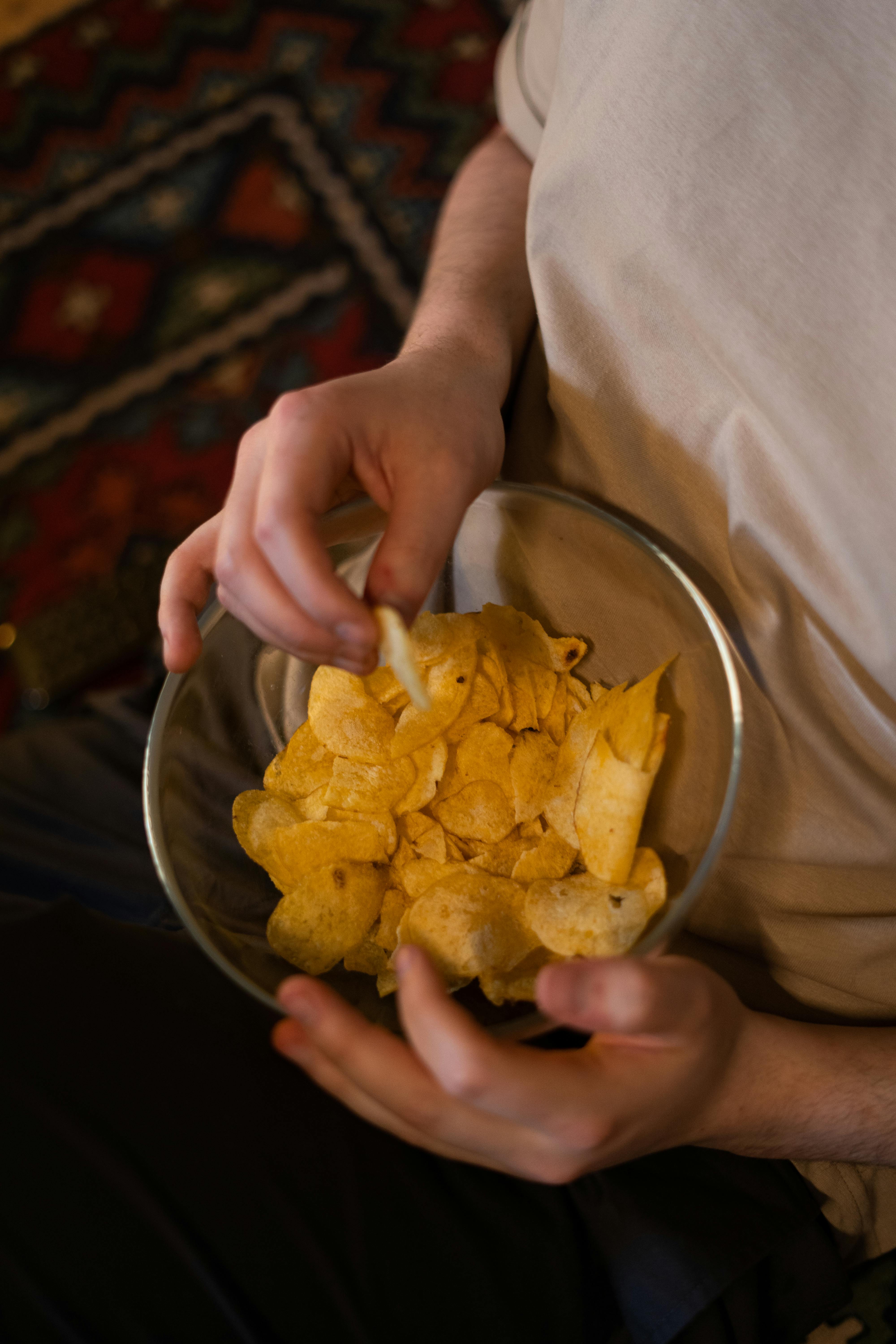
When people say they need chips, crackers, or something crispy before bed, specialists say texture is often part of the appeal. Crunchy foods can create a strong sensory payoff. For some people, that repeated need for stimulation may reflect tension that has built up through the day.
Clinical experts often note that stress-related eating is not only about sweetness or calories. It can also be about sound, force, and repetition. Crunching can feel grounding, especially after hours of work, screens, or social pressure.
There is also a practical angle. Salty, crunchy foods are shelf-stable, heavily marketed, and easy to overeat while watching television or scrolling on a phone. In that sense, the habit may say less about appetite and more about overstimulation, routine, and the need to decompress without much effort.
Needing sweets after 10 p.m.
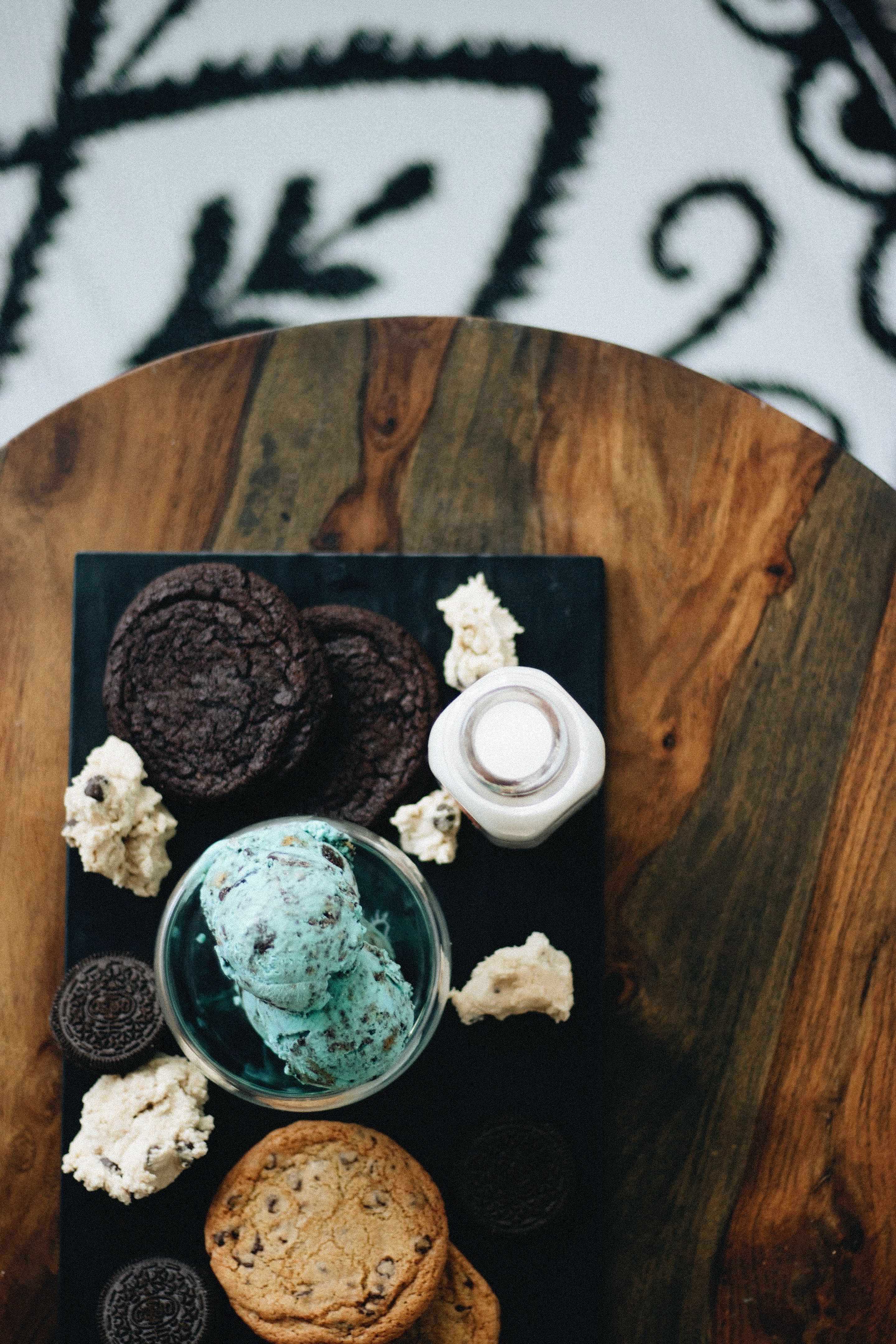
A nightly hunt for cookies, ice cream, or candy often gets blamed on a sweet tooth, but experts say the pattern is frequently tied to exhaustion. As the brain gets tired, it tends to favor fast reward. Sugary foods offer that quickly, even if the effect does not last.
Sleep researchers have reported that short sleep can alter hunger-related hormones and increase cravings for calorie-dense foods the next day and at night. That helps explain why people who are run down often feel especially drawn to dessert after dark.
Mental health professionals also say sweets can become a reward system. If someone tells themselves they earned a treat for getting through a hard day, the habit may be reflecting stress management through food. Over time, that routine can become emotionally loaded even when hunger is not the main driver.
Skipping dinner, then overeating at midnight
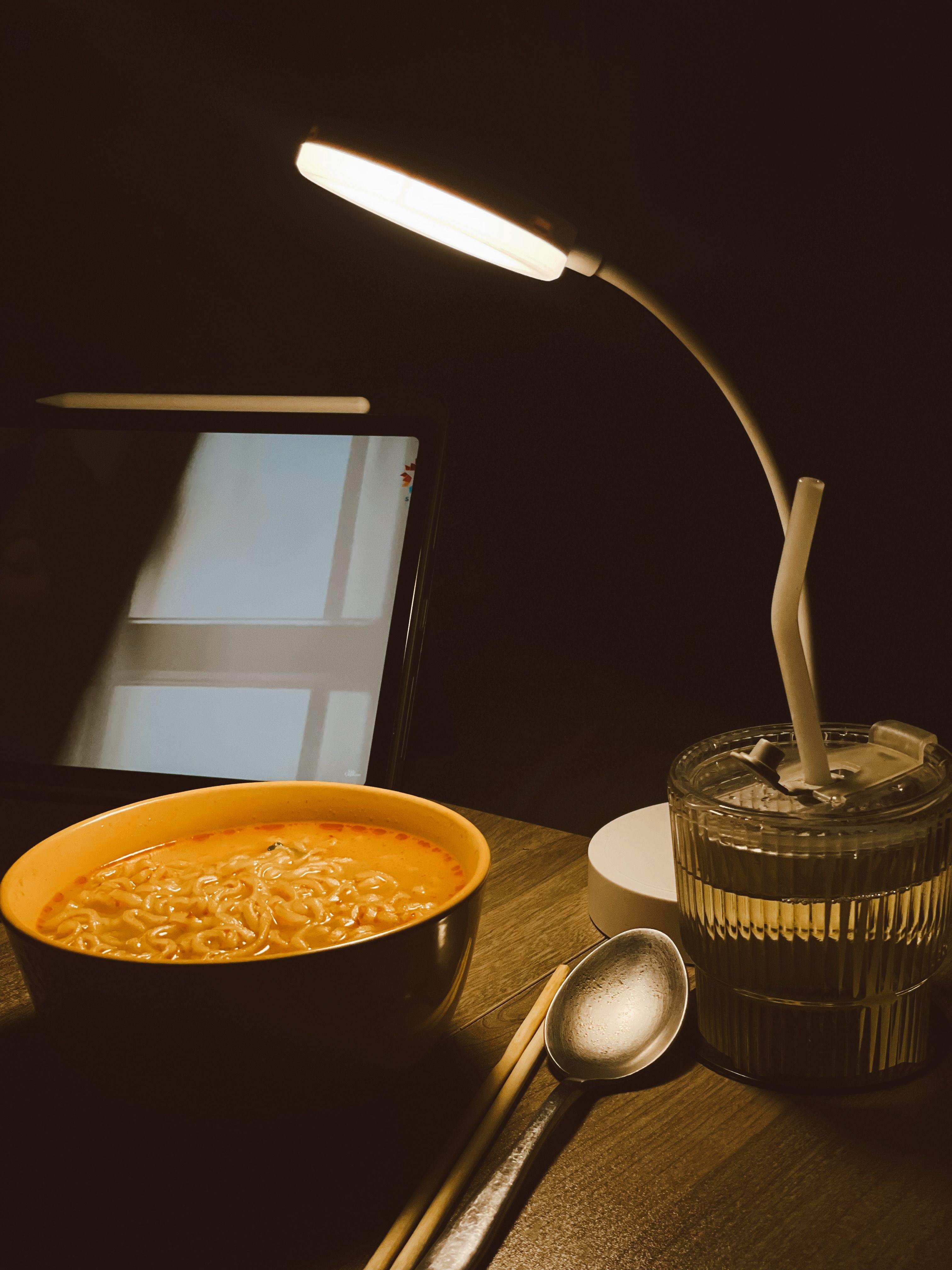
One of the clearest late-night patterns experts watch for is delayed eating followed by a large intake close to bedtime. This often happens when work, commuting, caregiving, or dieting pushes dinner too late or removes it altogether. By midnight, the body is simply trying to catch up.
Registered dietitians say this is common among adults with packed schedules. It can also show up in people who try to be overly strict earlier in the day, then rebound at night. In those cases, the midnight meal is less a failure of willpower and more a biological response to restriction.
The mental-state signal here is often strain. People who are overextended tend to postpone basic needs, including meals. Late overeating can therefore reflect chronic stress, lack of structure, or a day so crowded that hunger only gets attention once everything else is done.
Snacking while scrolling in bed

Eating in bed while scrolling through social media, streaming shows, or reading headlines is now routine for many Americans. Experts say this pairing can weaken awareness of both hunger and fullness. The mind is split, so food becomes background behavior rather than a conscious choice.
This habit is often linked to overstimulation and difficulty winding down. Instead of transitioning toward sleep, the brain stays activated by light, sound, and constant information. Adding food can make the routine feel soothing, but it may also reinforce a cycle of stress and distraction.
Behavioral specialists say this pattern can point to a need for comfort without real rest. A person may feel they are relaxing, yet their body never fully powers down. In that sense, the snack is not the main issue. The bigger story is often mental clutter and trouble disconnecting.
Ordering delivery long after dinner

Late-night delivery orders have become easier with 24-hour apps, extended kitchen hours, and doorstep drop-off. Experts say the habit can reflect convenience, but repeated orders late at night may also signal burnout. When people feel depleted, planning, cooking, and cleanup can become too much.
Food industry data in recent years has shown strong overnight demand for burgers, fries, pizza, chicken sandwiches, and desserts. These are highly rewarding foods, and they are designed to feel satisfying fast. That makes them especially appealing when someone is stressed or emotionally drained.
Psychologists say frequent late delivery can also reflect loneliness or irregular routines. The order itself can become part of a nighttime ritual, especially for people living alone or working nontraditional hours. The food fills hunger, but the ritual may also be filling a social or emotional gap.
Always reaching for cereal

Cereal is one of the most common late-night foods in American homes. It is quick, familiar, relatively cheap, and easy to portion, at least at first. Experts say that repeated nighttime cereal eating often points to a search for comfort and predictability.
Many adults associate cereal with childhood, simpler routines, or a low-effort meal during stressful times. That emotional familiarity matters. In periods of uncertainty, people often return to foods that feel safe and uncomplicated.
Nutrition experts note that cereal can also become a stand-in meal for those who are too tired to cook or too anxious to eat something heavier. The habit may suggest emotional depletion, but it can also reflect basic practicality. Sometimes the late-night bowl says a person needs ease more than indulgence.
Making a full meal at 11 p.m.

Some people do not just snack late. They start cooking a full meal when the house is quiet. Experts say that can reflect delayed hunger, shift-work schedules, or simple preference, but when it happens regularly, it may also suggest that nighttime is the only time a person feels in control.
Mental health specialists often hear from people who feel calmer after everyone else is asleep. Cooking then can feel private, orderly, and rewarding. The food is important, but so is the sense of space and relief.
This habit can be especially common among caregivers, parents, and people with demanding jobs. If the late meal is the first real moment of the day that belongs to them, the pattern may reflect emotional overload rather than poor discipline. The kitchen becomes a quiet place to recover.
Losing interest in food, then suddenly eating a lot
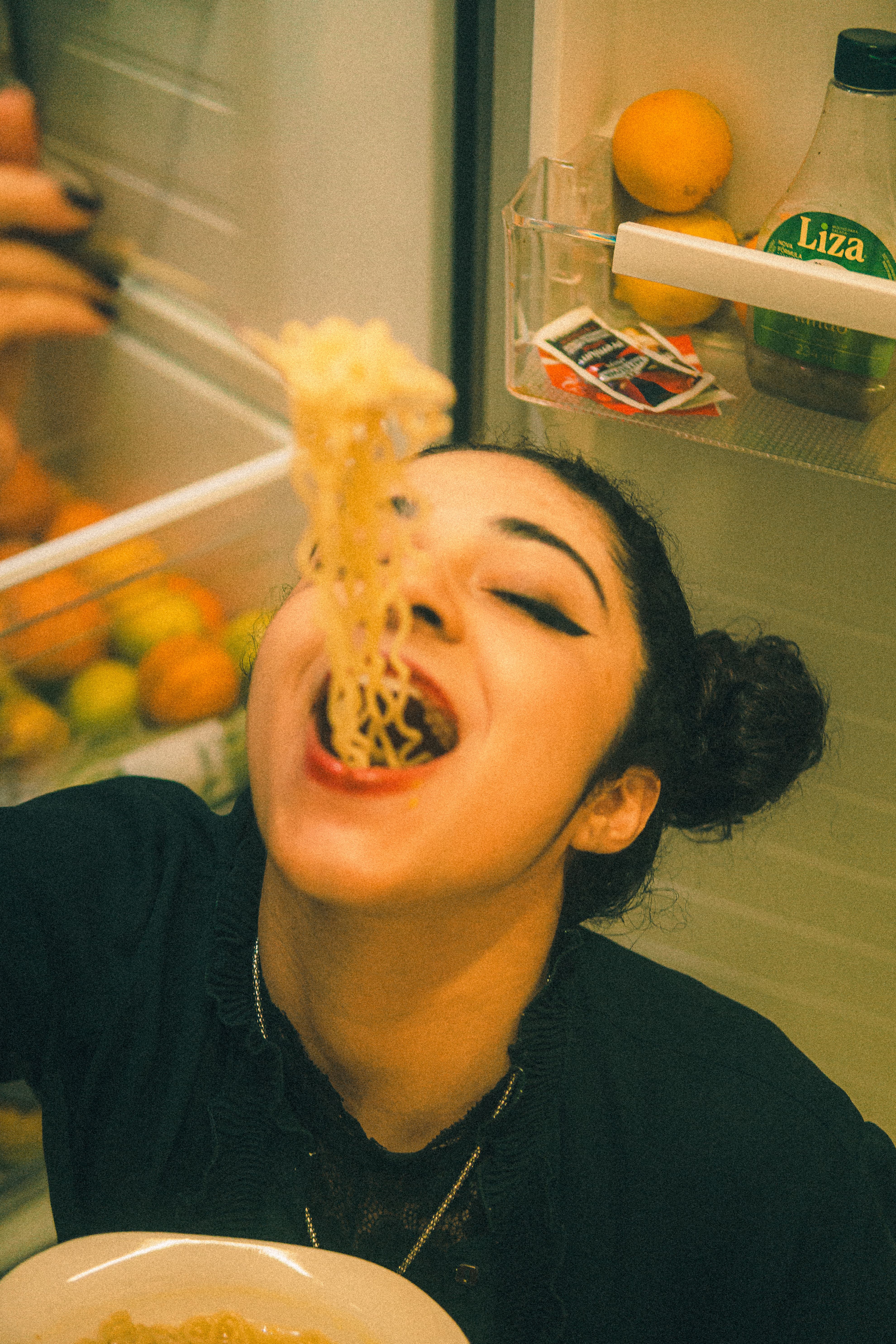
Another late-night pattern experts mention is eating very little all evening, then suddenly feeling ravenous late at night. Stress can do that. For some people, anxiety suppresses appetite during the day, only for hunger to return strongly once the pressure eases.
Doctors and dietitians say this pattern is not unusual during periods of high workload, family strain, or emotional upheaval. The body may ignore or mask hunger cues until the environment feels safer. Then the need for food becomes hard to miss.
The mental-state clue here is often delayed processing. People can stay in go mode for hours and only register physical needs when they finally stop. A sudden late-night eating spell may therefore say less about lack of control and more about how long the body has been running on stress.
Constantly wanting salty comfort food

A strong night craving for fries, ramen, takeout Chinese food, or buttery popcorn can be about taste, but experts say it often overlaps with emotional regulation. Salty comfort foods are warm, familiar, and easy to associate with reward, relief, and routine.
These foods also tend to be linked to passive downtime, like watching sports, movies, or late television. Over time, the brain starts to connect the flavor with a shift out of work mode. That makes the craving feel automatic, even on nights when hunger is mild.
Nutrition professionals say the habit may point to accumulated tension and the need for decompression. It can also reflect dehydration, skipped meals, or habitual pairing. Still, when the same salty foods show up every night, experts say it is worth asking what kind of comfort they are replacing.
Eating because sleep is not happening

Some people head to the kitchen not because they are hungry, but because they cannot sleep. Sleep doctors say this is a common pattern. Once a person is awake, frustrated, and watching the clock, food can start to seem like a solution.
Sometimes that means warm milk or toast. Other times it means cookies, leftovers, or another round of snacks that were not planned. The habit matters because insomnia and nighttime eating can reinforce each other, especially if food becomes part of the waking routine.
Experts say this behavior often reflects restlessness, anxiety, or poor sleep hygiene more than appetite. The food may temporarily soothe, but it does not address the reason sleep is off. Over time, the kitchen can become an extension of the bedroom problem rather than a fix for it.
Calling it a treat every single night
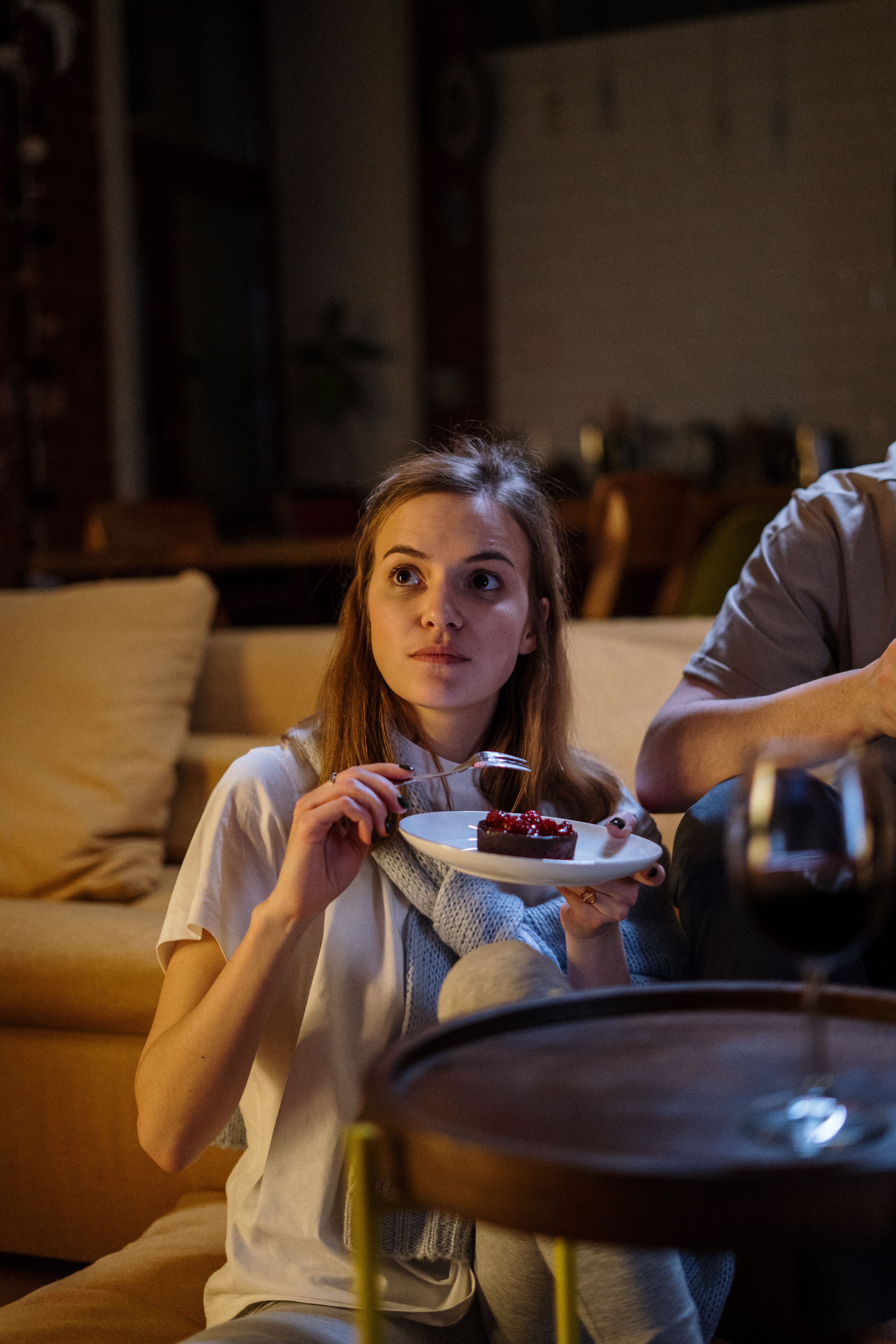
A final pattern experts point to is the nightly habit of framing food as a deserved reward. There is nothing unusual about enjoying dessert or a snack after a long day. But when the same language appears every night, specialists say it may suggest that food has become a main coping tool.
That matters because repeated self-reward with food can mask exhaustion, resentment, stress, and emotional depletion. If a person needs a treat every evening just to feel okay, the issue may be bigger than the snack itself. The ritual may be doing emotional work.
Health professionals say the goal is not guilt. The point is awareness. A late-night habit can be a useful clue about whether someone is underfed, overtired, lonely, overstimulated, or simply stuck in a routine that no longer feels good.


