Airline food is usually decided, cooked, chilled and loaded hours before a flight ever leaves the gate. By the time it lands on a tray table, it has already passed through a tightly controlled system built around safety, timing and cost.
Frequent flyers tend to know the routine. The meal may look simple, but a lot happens behind the scenes long before the cart rolls down the aisle.
Menus are planned far in advance
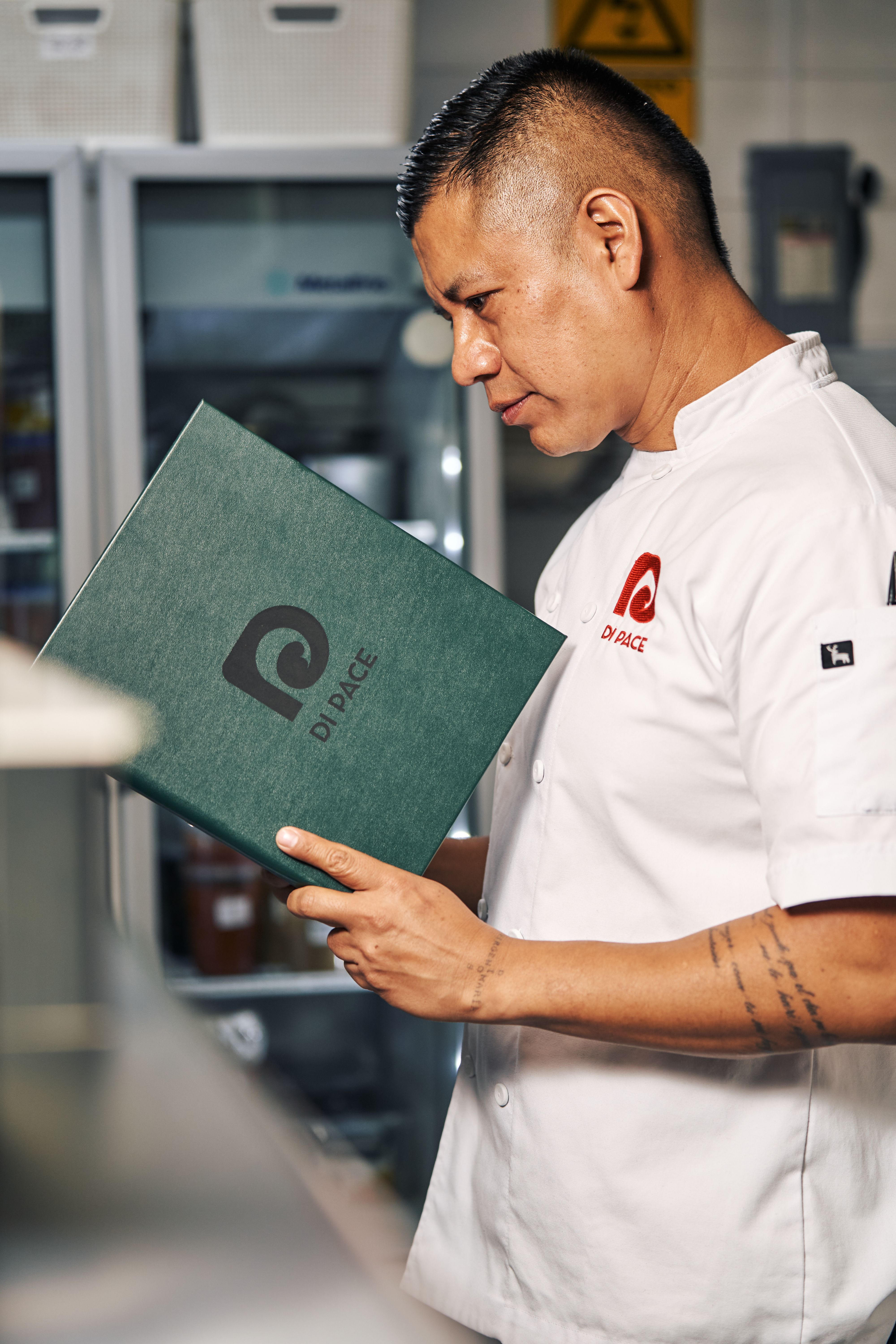
Airlines do not usually decide meals at the last minute. Menus are often locked in weeks or months ahead, especially for large carriers that serve thousands of passengers a day across multiple hubs.
Catering teams work with airline managers, food suppliers and, in some cases, chefs to build meals that can survive mass production and reheating. The goal is not just flavor. It is consistency, cost control and food safety across hundreds of flights.
Season, route length, cabin class and passenger demand all matter. A breakfast tray on a short domestic hop will be planned very differently from a long-haul business class dinner leaving New York or Los Angeles.
Meals are cooked in giant off-airport kitchens
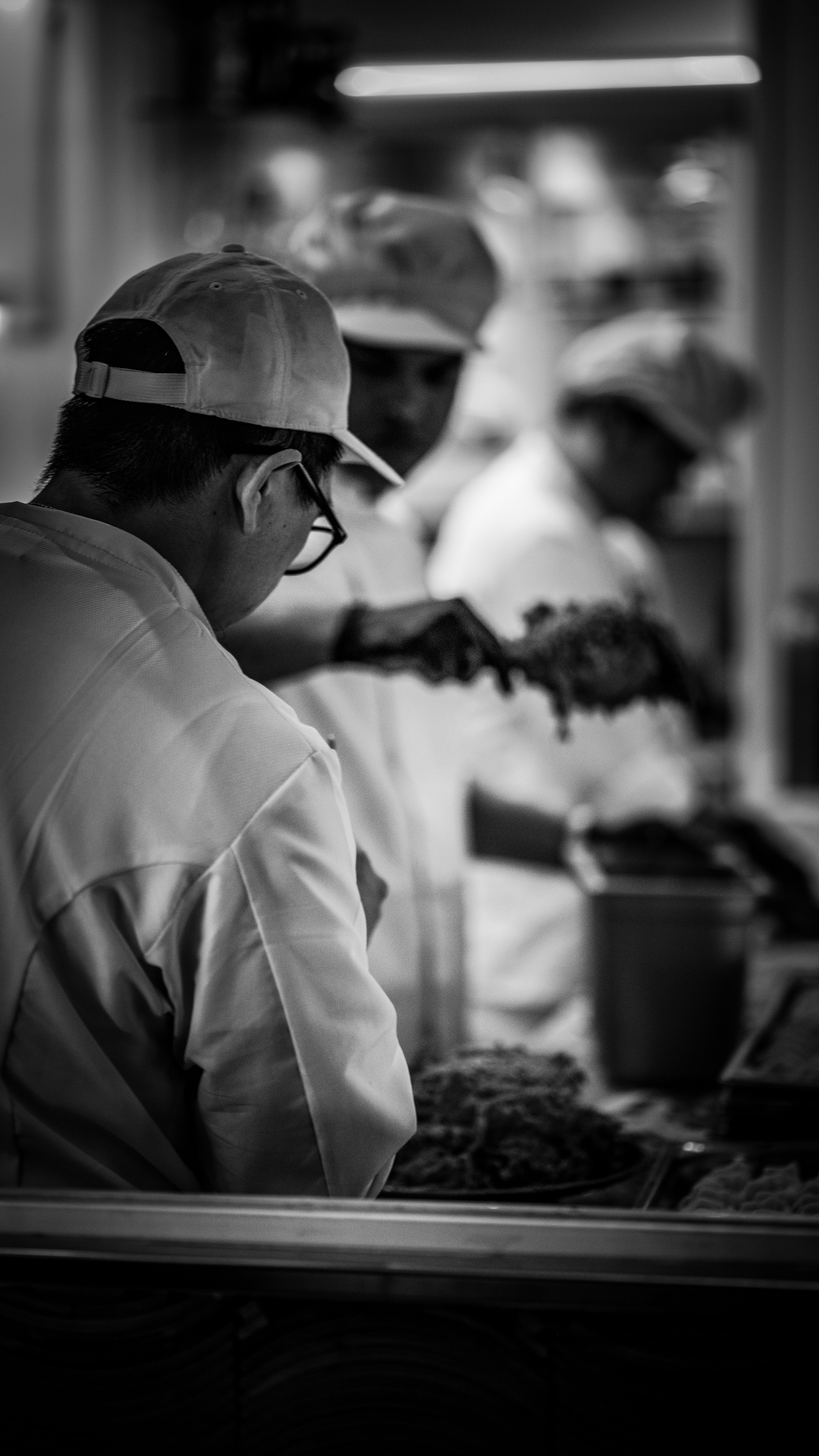
Most airline meals are not made at the airport terminal. They are prepared in large catering facilities, often located near major airports but outside the passenger areas, where industrial kitchens can handle huge daily volumes.
Companies such as gategroup and LSG Sky Chefs have long supplied major airlines in the United States and abroad. These facilities may produce tens of thousands of meals a day, with separate lines for economy, premium cabins and special diets.
Workers portion proteins, sides, salads and desserts in assembly-line fashion. That scale helps airlines keep service moving, but it also means recipes are designed for repeatability rather than the kind of made-to-order freshness people expect at restaurants.
The food is chilled quickly after cooking

Once hot food is cooked, it is usually cooled fast rather than kept warm. That step is a basic part of airline catering because holding food at unsafe temperatures for too long can allow bacteria to grow.
Rapid chilling helps preserve the meal until it can be transported and loaded. In commercial airline catering, timing is everything, and cold-chain control is one of the most important safety rules in the system.
That is why many airline entrées are technically reheated meals, not freshly cooked dishes. Frequent travelers often notice this in the texture of vegetables, pasta or eggs, which can change after chilling and reheating.
Portions are weighed and counted with precision

Airline meals are built to exact counts because every flight needs a predictable number of trays, snacks, drinks and special meals. Caterers cannot simply estimate and hope for the best when hundreds of passengers are involved.
Weight matters too. Airlines closely track aircraft load, and food carts, beverages, ice, plates and packaging all add up. Even small changes in portion size can affect costs across thousands of flights over time.
That precision is why meal trays can feel standardized down to the butter packet. For frequent flyers, the sameness is not random. It reflects a system where inventory, waste control and aircraft weight are watched very closely.
Recipes are adjusted for altitude and dry cabin air
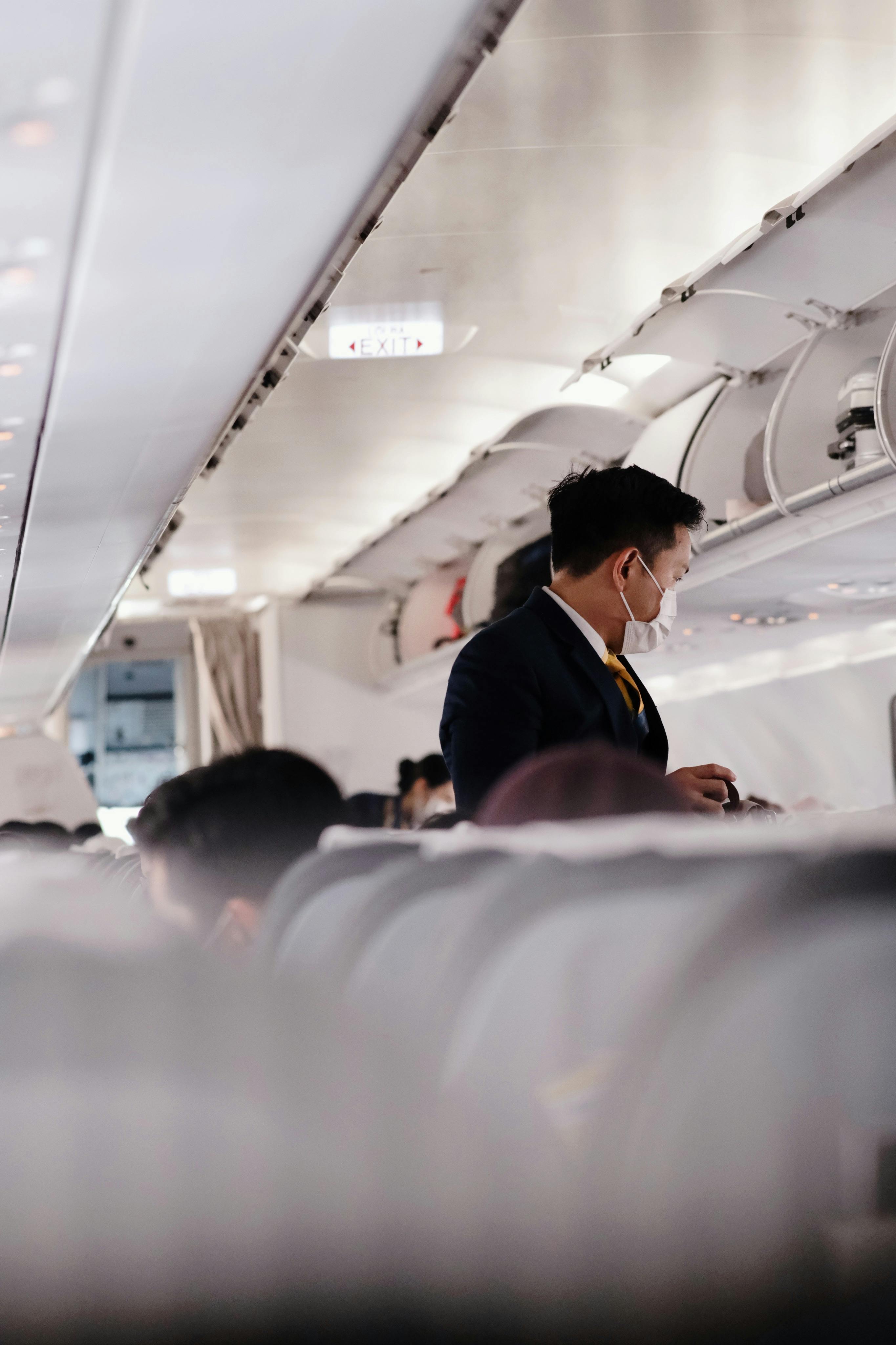
Airline food often tastes different in the air for reasons beyond the recipe itself. Research cited by airlines and food scientists has shown that low humidity and cabin pressure can dull a passenger’s sense of taste, especially for salt and sweetness.
That is one reason some in-flight meals are seasoned more assertively than similar food on the ground. Ingredients like tomato, mushrooms, soy and other umami-rich flavors tend to perform better at altitude.
Frequent flyers often notice that foods with sauces, braises or stronger seasoning hold up better than delicate dishes. Airlines have learned over time that what tastes balanced in a test kitchen may taste bland at 35,000 feet.
Special meals are usually loaded first and handled separately

Vegetarian, kosher, halal, gluten-free, child and medical meals are generally prepared under separate procedures and labeled carefully before loading. Airlines do this to reduce mix-ups and meet dietary or religious requirements.
Because these meals are pre-assigned to specific passengers, cabin crews commonly deliver them before the main meal service begins. Frequent flyers who order special meals often know this routine well.
That early delivery can be useful on long flights, but availability is not guaranteed without advance request. Many airlines require passengers to order special meals at least 24 hours before departure, and sometimes earlier depending on the route.
Food is sealed, wrapped and tagged for tracking
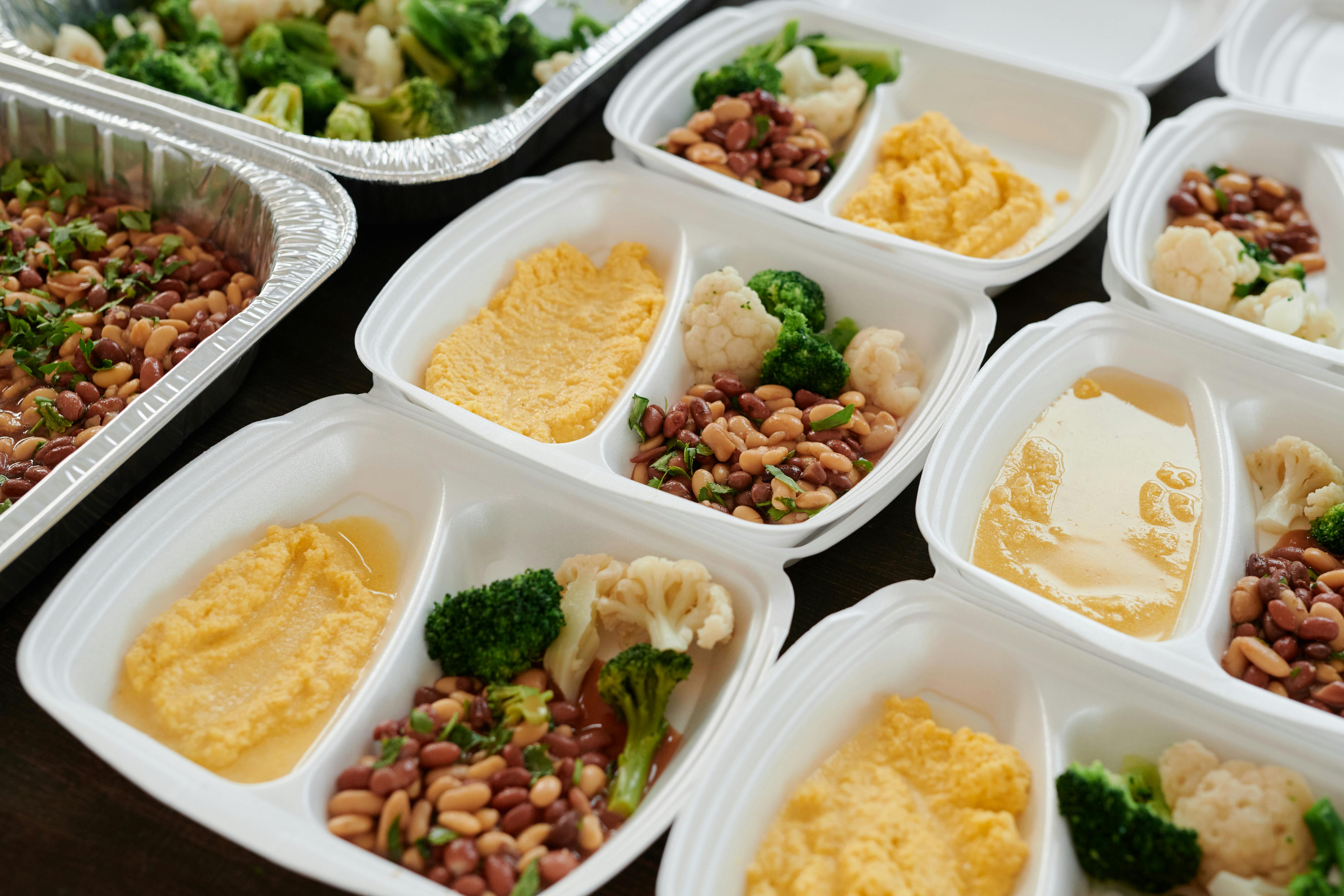
Before meals leave the catering kitchen, they are usually sealed in trays, carts or containers and marked for a specific flight. Labels can include route details, handling instructions and special meal identifiers.
This tracking matters because a major airline operation may be catering hundreds of departures from one airport in a single day. A cart loaded onto the wrong aircraft can create delays, shortages or compliance problems.
Packaging also has to hold up during transport, storage and reheating. That is part of why airline meals often arrive in sturdy trays with plastic covers, foil tops and tightly packed side items that are built more for logistics than appearance.
Meals are trucked to the aircraft under tight time windows

After packaging, the food is loaded onto catering trucks and driven to the plane, often just a short time before departure. Timing can be tight because the aircraft may also be taking on fuel, baggage, water and cleaning crews.
Ramp access is controlled, so the handoff from kitchen to plane follows a strict chain. Once the truck reaches the aircraft, carts and containers are lifted to the galley and secured for flight.
If a departure is delayed or an aircraft is swapped, catering plans can be disrupted fast. Frequent flyers sometimes see the result when a meal option disappears, a snack service changes or a route departs with limited stock.
Cabin crews usually reheat, not cook, your meal
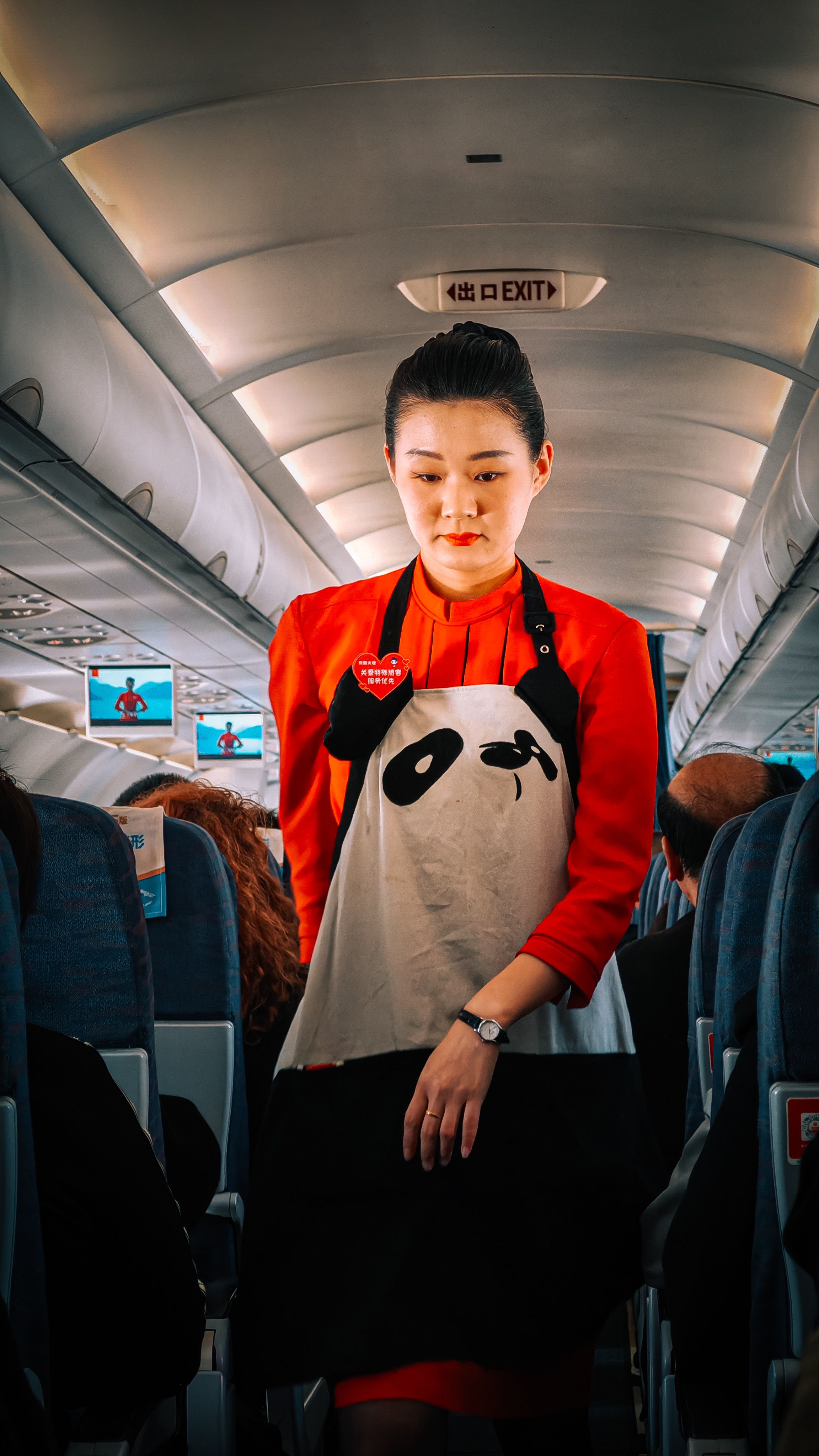
On most commercial flights, flight attendants are not cooking full meals from scratch. They are reheating pre-prepared food in galley ovens designed to warm entrées safely and quickly during service.
Those ovens have limited space, which affects timing and menu design. Meals must fit standard equipment, heat evenly and be simple enough to plate or hand out in a narrow aisle while crews manage passenger safety at the same time.
That helps explain why some items turn out better than others. Foods that tolerate reheating, like stews, rice dishes and pasta bakes, often fare better than steaks, fries or scrambled eggs, which can lose texture fast.
Ice, drinks and bread are loaded separately from hot meals

Not everything on the tray comes from the same production line. Bread rolls, snacks, beverages, dairy items and ice are often supplied, stored and loaded through separate catering channels depending on the airline and airport.
That separation helps protect temperature-sensitive products and allows airlines to stock flights based on route length and demand. A transcontinental flight may carry very different beverage quantities than a short domestic leg.
Frequent flyers sometimes notice shortages, especially late in the day, when a particular drink or snack runs out. That is often less about the crew and more about forecasted loading decisions made before boarding ever began.
Leftovers and unopened items are handled under strict rules

Passengers often wonder why airlines do not just save untouched food for later. In practice, leftover handling is tightly regulated, and many perishable items cannot simply be reused once they have been boarded and exposed to cabin service conditions.
International arrivals can face even stricter disposal rules because of agriculture and customs laws. Meat, produce and dairy from certain flights may have to be destroyed rather than taken back into normal supply channels.
That can look wasteful to travelers, and airlines have faced pressure for years to reduce catering waste. Still, food safety law, border rules and uncertainty about temperature exposure leave limited room for reuse once a flight is complete.
The final tray is built for speed, safety and predictability

By the time a meal reaches a passenger, it reflects dozens of operational choices that started long before boarding. Airlines are balancing food safety, aircraft weight, labor, equipment limits and a service window that may last only minutes.
That is why airline food can seem plain, repetitive or heavily packaged, especially in economy. The system is designed first to move safely and reliably, not to mimic a restaurant meal made to order.
Frequent flyers already know this tradeoff. What lands on the tray is the end of a long supply chain, and every sealed entrée, tiny dessert and plastic-wrapped roll shows how much of air travel depends on planning before takeoff.