

Some food trends seem huge when they arrive. Then, almost as quickly, they slip out of restaurants, grocery stores, and social feeds without much notice.
Over the last five years, the U.S. food industry has cycled through a wave of fast-rising fads tied to TikTok, pandemic cooking, venture capital, and changing consumer budgets. Here are 11 trends that once looked unavoidable and now feel mostly over.
Dalgona coffee

In spring 2020, whipped instant coffee became one of the first true lockdown food obsessions in the U.S. and abroad. Home cooks mixed instant coffee, sugar, and hot water into a foam, then spooned it over milk for a photogenic drink that spread across TikTok, YouTube, and Instagram.
The craze made sense at the time. Cafes were closed or limited, millions of people were stuck at home, and easy DIY drinks offered both novelty and routine. Instant coffee sales got a visibility boost, and the drink became a symbol of pandemic kitchen creativity.
But dalgona coffee was more of a moment than a durable habit. It took time, made a mess, and did not fit the return to normal schedules. By 2021, many coffee drinkers had moved back to cold brew, espresso drinks, or ready-to-drink cans, and the whipped coffee wave largely disappeared.
Baked feta pasta
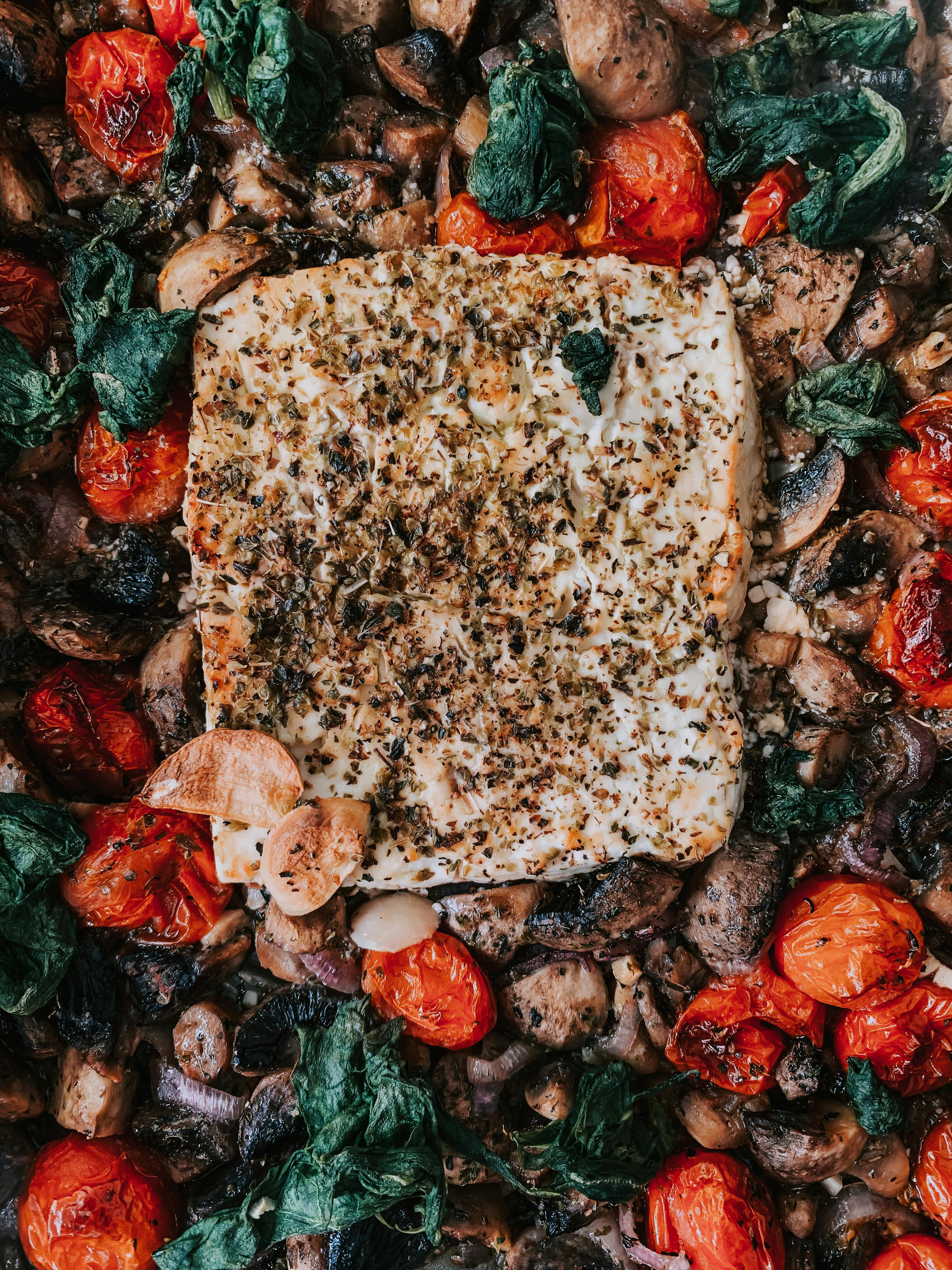
Another lockdown giant arrived in 2021 when baked feta pasta exploded from social media into mainstream grocery demand. The dish was simple: a block of feta, cherry tomatoes, olive oil, and pasta. Retailers in several countries reported feta shortages or sharp demand spikes as shoppers rushed to recreate it.
In the U.S., the recipe hit at a moment when people wanted low-effort meals with a payoff that looked good on camera. It was affordable, easy to explain, and based on ingredients available at most supermarkets. That made it one of the most copied recipes of the pandemic era.
Still, the trend cooled fast. It never really evolved into a lasting category or restaurant staple. Consumers kept the recipe if they liked it, but the larger baked-feta phenomenon faded once people had more dinner options and the internet moved on to the next easy viral meal.
Charcuterie boards for everything
During 2020 and 2021, charcuterie boards expanded far beyond cured meats and cheese. Social media users began building butter boards, dessert boards, breakfast boards, taco boards, and holiday snack boards. The concept became a catchall way to make almost any food look festive and shareable.
Retailers benefited from demand for specialty crackers, cheeses, dips, and serving boards. Entertaining at home was still central for many households, and the board format fit gatherings where people wanted variety without cooking a full plated meal.
The trend lost steam as the novelty wore off. Food safety questions also followed some versions, especially butter boards left out at room temperature or communal spreads handled by many guests. Traditional cheese boards remain common, but the everything-can-be-a-board phase now looks like a very specific social media era.
Hard seltzer overload

Hard seltzer was not born in the last five years, but its peak and rapid cooling happened during that period. In 2020 and 2021, major brewers and celebrity brands rushed into the category after explosive growth led by White Claw and Truly. Shelves filled with new flavors, line extensions, and copycat products.
The pitch was clear: lighter drinking, lower calories, and simple branding aimed at younger legal-age consumers. But the market became crowded fast. As sales growth slowed, companies began cutting brands, reducing variety packs, or shifting focus to canned cocktails and spirits-based drinks.
By 2023, industry reports showed the once-hot category had matured and, in some cases, contracted. Hard seltzer did not vanish entirely, but the idea that it would dominate the future of drinking faded. It became just another segment in a far more fragmented alcohol market.
Plant-based meat mania

From roughly 2020 through 2022, plant-based burgers, sausages, nuggets, and grounds seemed poised to permanently remake the meat case. Beyond Meat and Impossible Foods became household names, and large chains added meatless options in an effort to capture flexitarian diners.
For a while, the momentum looked real. Grocery stores added dedicated freezer space, fast-food companies launched limited-time items, and investors poured money into alternative proteins. The products promised environmental benefits and a familiar meat-like experience without conventional animal agriculture.
Then demand softened. Inflation pushed shoppers toward cheaper basics, some consumers questioned the degree of processing, and repeat purchases proved harder to sustain than trial. Many chains pulled back or made items less prominent, and the category settled well below the hype that surrounded it just a few years earlier.
Cauliflower everything
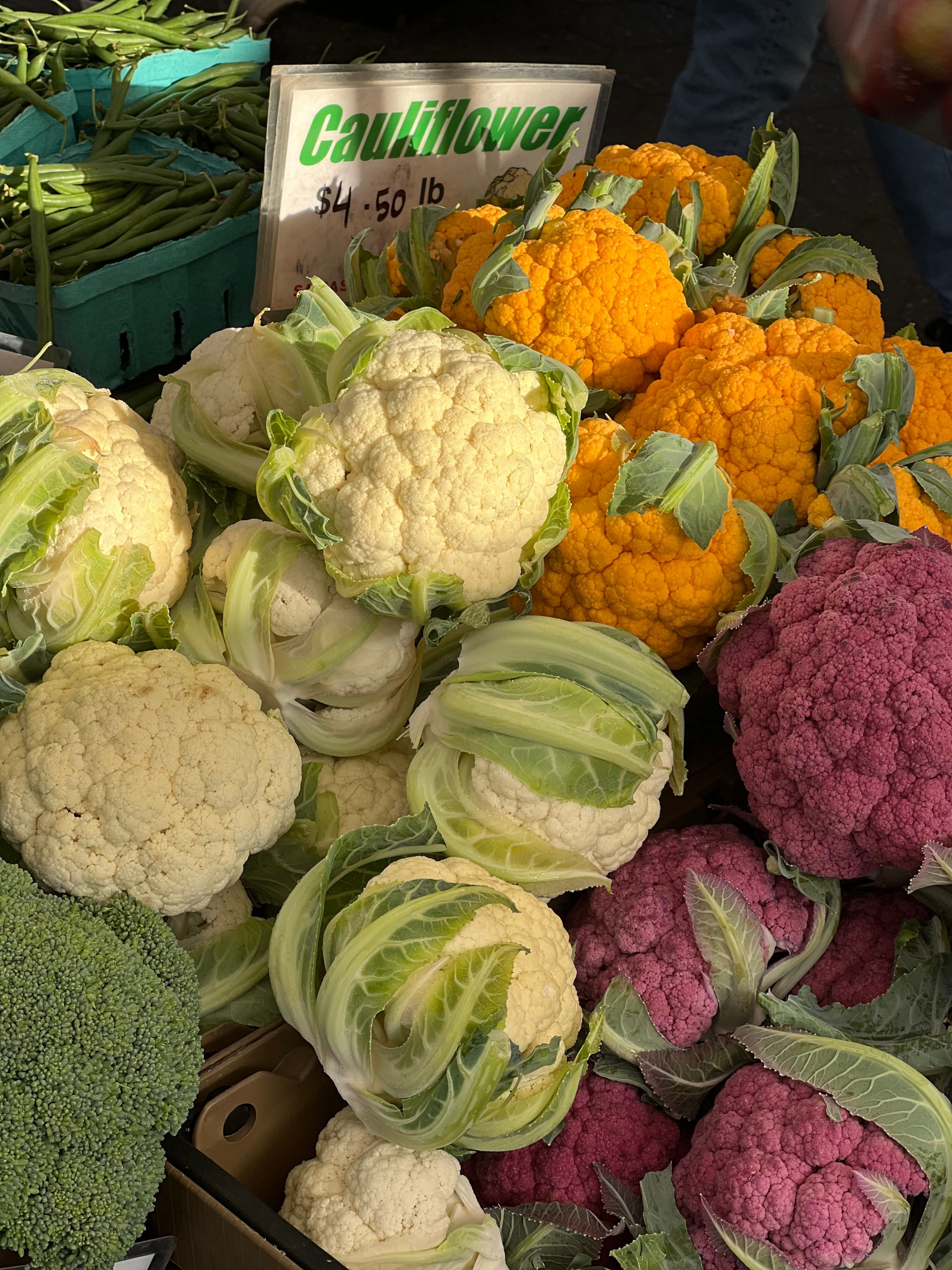
Cauliflower had already been rising before 2020, but the last five years pushed it into peak overexposure. It turned up as pizza crust, sandwich thins, rice, pretzels, crackers, gnocchi, and mashed potato substitutes. Brands sold it as a low-carb, gluten-free, or better-for-you fix for almost every comfort food.
The vegetable fit several trends at once. Keto eating was strong, gluten-free products had broad shelf appeal, and consumers were willing to experiment with swaps that sounded healthier. For manufacturers, cauliflower also became a simple shorthand for modern wellness.
Eventually, shoppers started to show limits. Not every substitute tasted better, worked better, or cost less than the original. Many products remain available, but the cauliflower-can-do-anything marketing push has plainly cooled, replaced by a more selective approach to vegetable-based alternatives.
Ghost kitchens

Ghost kitchens drew intense interest in 2020 and 2021 as delivery surged and indoor dining faced restrictions. The model let operators prepare food without a traditional dining room, often producing multiple virtual brands from one kitchen. Investors saw it as an efficient, tech-driven future for restaurants.
The setup promised lower overhead and faster expansion. Delivery apps gave these brands instant access to customers, and some companies launched menus designed specifically for off-premise eating. For a period, ghost kitchens looked like one of the biggest structural shifts in food service.
But the model ran into problems. Customers often complained about inconsistent quality, confusing brand identities, and inflated delivery costs. As dining rooms reopened and funding tightened, many operators scaled back, shut locations, or reworked the concept into something more conventional and less hyped.
Pancake cereal
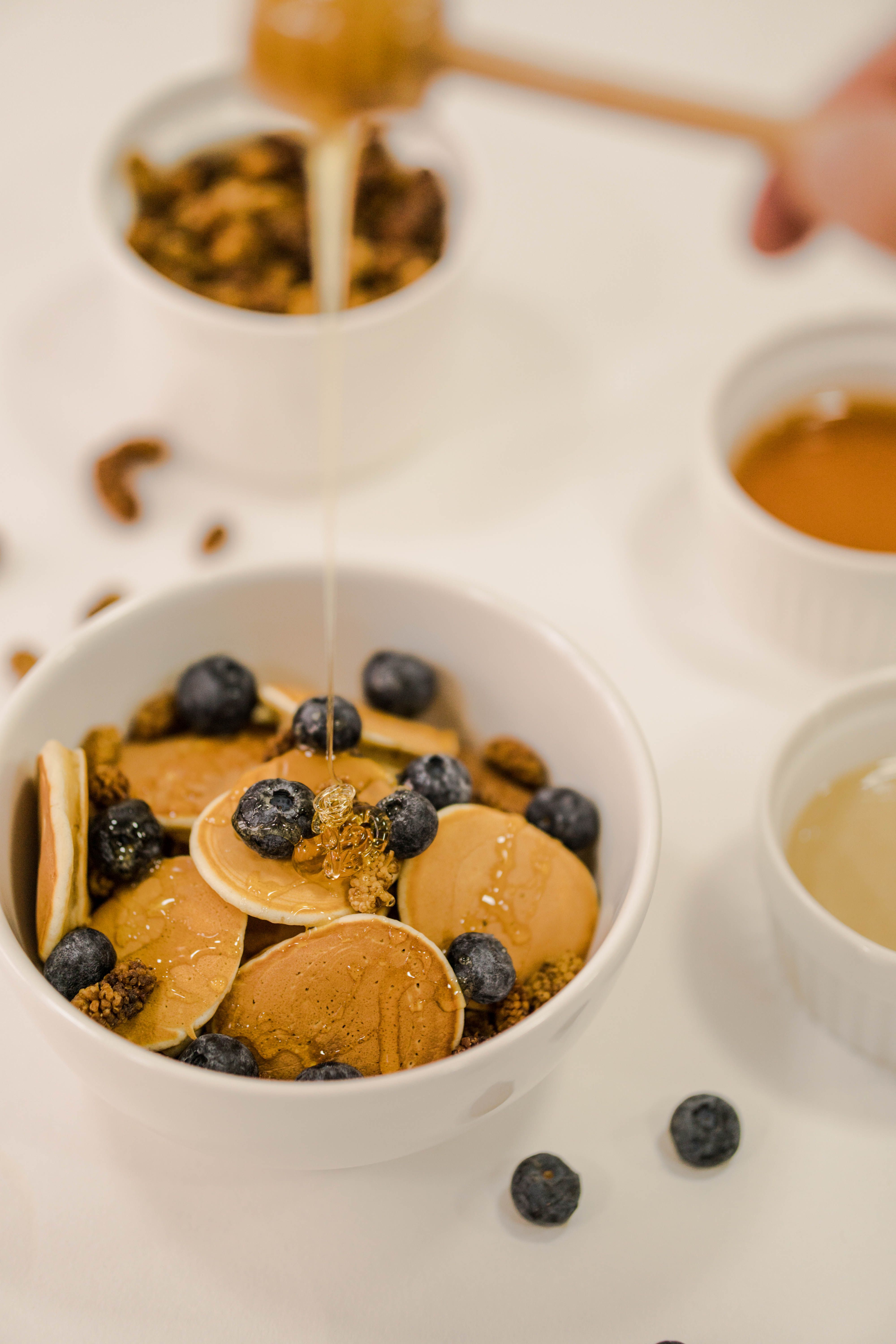
Tiny pancakes served in a bowl with syrup and butter were one of the more playful viral breakfast trends of 2020. The appeal was visual and simple. The miniature pancakes looked cute on camera, gave creators an easy tutorial format, and offered a quirky spin on a familiar American breakfast.
Like many social media foods, it was built for novelty rather than convenience. Making dozens of tiny pancakes took more effort than cooking a normal batch, and the result did not really improve the eating experience. It was more fun to film than to repeat every weekend.
That gap mattered. Once the first wave of home cooks tried it, the trend had little reason to stick. Restaurants did not broadly adopt it, grocery stores did not build products around it, and pancake cereal became another example of a viral recipe with a very short shelf life.
NFT restaurants and crypto food branding

In 2021 and 2022, some restaurant startups and hospitality groups experimented with NFTs, crypto payments, and token-based membership models. The pitch was that digital ownership could unlock exclusive reservations, events, or loyalty perks. For a brief period, food and Web3 looked like they might blend in lasting ways.
Some projects drew headlines and investor attention, especially in major cities where tech culture and dining culture overlapped. But the model depended on continued enthusiasm for crypto assets, and that enthusiasm weakened sharply after market declines and several high-profile industry failures.
As the crypto downturn deepened, many consumers lost interest in blockchain-based dining perks. Traditional loyalty apps and credit card rewards remained easier to understand and use. The result was not a dramatic collapse visible to most diners, but a quiet retreat from one of the stranger restaurant trends of the era.
Butter boards
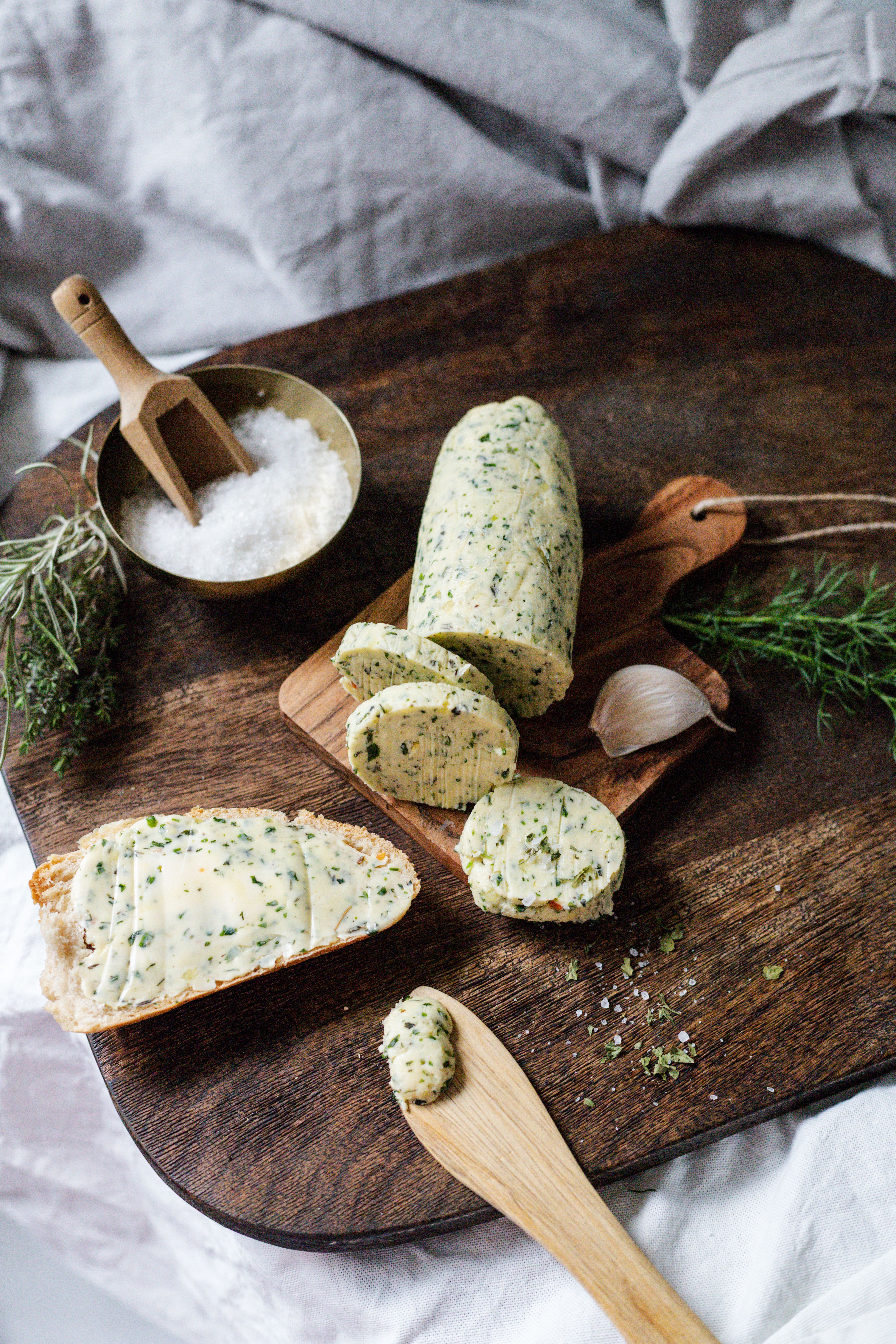
Butter boards had a very brief but intense run in 2022 after creators spread softened butter on wooden boards and topped it with herbs, honey, salt, fruit, or edible flowers. The style quickly appeared in party guides, morning television segments, and supermarket marketing tied to entertaining season.
The idea borrowed from charcuterie culture but pushed presentation over practicality. It looked dramatic in photos and matched the kind of casual hosting content that performs well online. For a short time, it seemed like every gathering needed a board covered in styled butter.
Then the backlash came almost as fast as the buzz. Some viewers found the concept unappetizing, and food safety concerns were widely discussed. More importantly, the trend had narrow use beyond novelty. By the next holiday cycle, it had already lost much of the attention it briefly commanded.
Mug cakes and microwave desserts

Microwave mug cakes returned in a major way during the stay-at-home period, especially in 2020 and 2021. Single-serve desserts felt practical for smaller households and appealing for people limiting grocery trips. Recipes promised comfort, speed, and minimal cleanup, all valuable during an unsettled period.
The format also fit the emotional tone of the moment. People wanted quick rewards and manageable treats. Social platforms filled with versions using cocoa powder, boxed mix, peanut butter, protein powder, or even oats, turning the mug cake into a daily dessert shortcut.
But once routines normalized, the drawbacks were harder to ignore. Texture was often uneven, recipes varied wildly, and the final product rarely matched a true baked dessert. Mug cakes still exist online, but the broad cultural moment for microwave dessert hacks has mostly passed.
Why these trends disappeared so quietly
Most of these food crazes did not end with a clear announcement. They simply lost the conditions that made them powerful in the first place, whether that was lockdown life, cheap capital, algorithm-driven attention, or the need for easy visual novelty.
That pattern matters because it shows how modern food culture now moves. A trend can look massive online, trigger real retail demand, and still fade before it changes long-term behavior. In many cases, what survives is not the hype itself but one small habit, recipe, or product line left behind.
For consumers, that means the food world is likely to keep cycling through ever-faster booms and busts. For brands and restaurants, it is a reminder that viral attention is not the same as lasting demand. Some trends become staples. Many more just disappear while everyone is already looking at the next thing.


