

A growing number of professional chefs say the same thing about home cooking in 2026: a few well-chosen Asian sauces can do a lot of heavy lifting. What used to be seen as specialty pantry items are now standard tools in many American kitchens.
Chefs, cookbook authors, and restaurant operators have increasingly pointed to these sauces as practical essentials because they add salt, acid, heat, sweetness, and umami without requiring complicated prep. The result matters for home cooks facing higher grocery costs and looking for ingredients that work across many meals.
Soy sauce
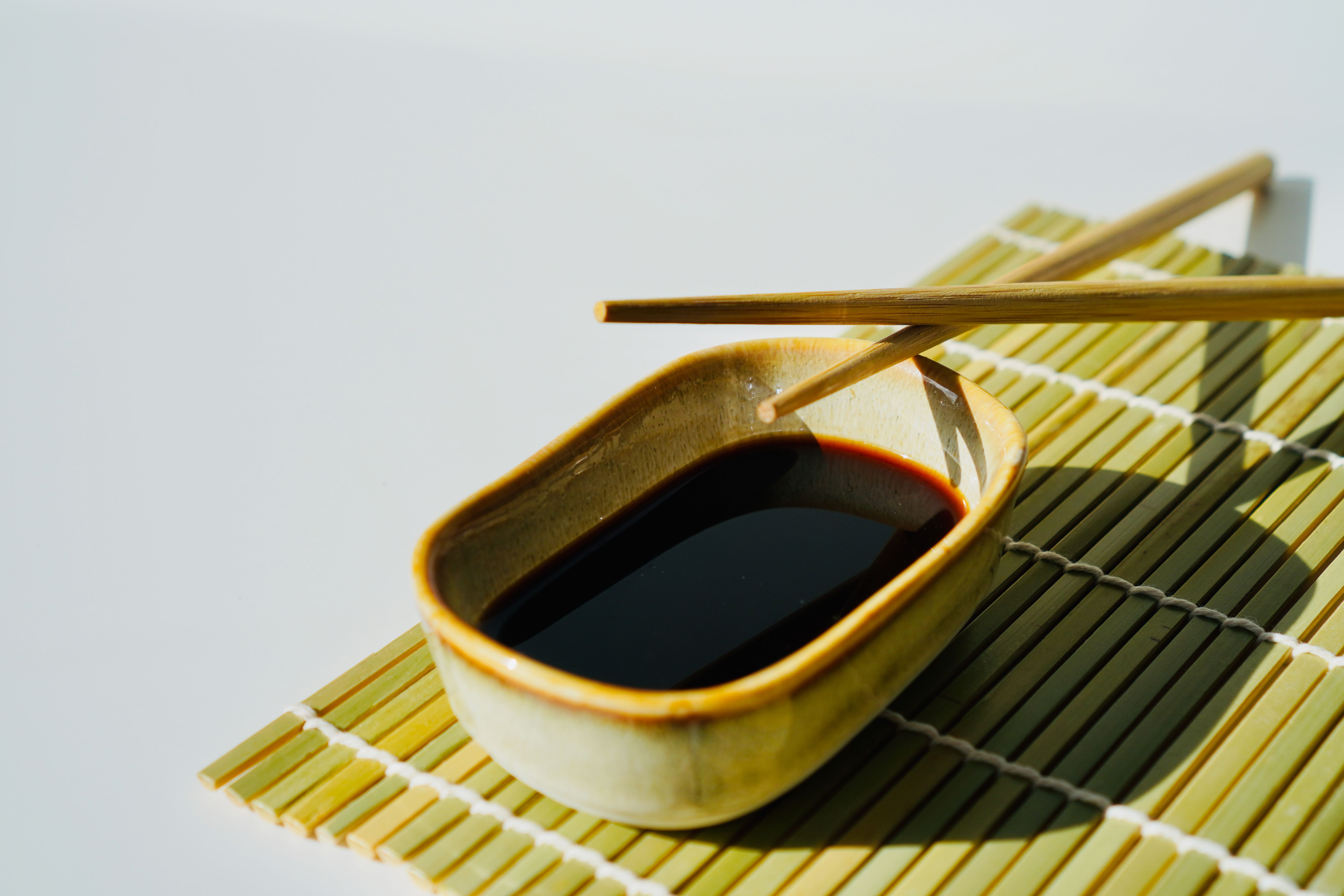
Soy sauce remains the first bottle many chefs name because it is one of the most versatile condiments in any kitchen. It is used in marinades, stir-fries, soups, dipping sauces, rice bowls, and even Western dishes like braised meats and salad dressings.
Chefs typically distinguish between light soy sauce and dark soy sauce, though many U.S. home cooks start with an all-purpose naturally brewed soy sauce. Light versions bring salt and savory depth, while dark soy sauce adds color and a mild sweetness.
Restaurant cooks often describe soy sauce as a shortcut to balance. A small amount can make mushrooms taste meatier, sharpen a pan sauce, or give plain steamed vegetables more character without needing a long ingredient list.
Fish sauce

Fish sauce is one of the strongest examples of an ingredient chefs say home cooks should not fear. Though the aroma can be intense straight from the bottle, cooks across Southeast Asian and modern American kitchens use it in tiny amounts to add depth rather than obvious fish flavor.
It is central in Thai and Vietnamese cooking, but chefs also stir it into pasta sauces, burger blends, braises, and vinaigrettes. In many professional kitchens, fish sauce plays the same supporting role that anchovies or Worcestershire sauce play in classic Western cooking.
For home cooks, the key is moderation. A few drops in soup, ground meat, or a stir-fry can round out flavor quickly, which is why chefs often call it one of the highest-impact bottles in the pantry.
Oyster sauce
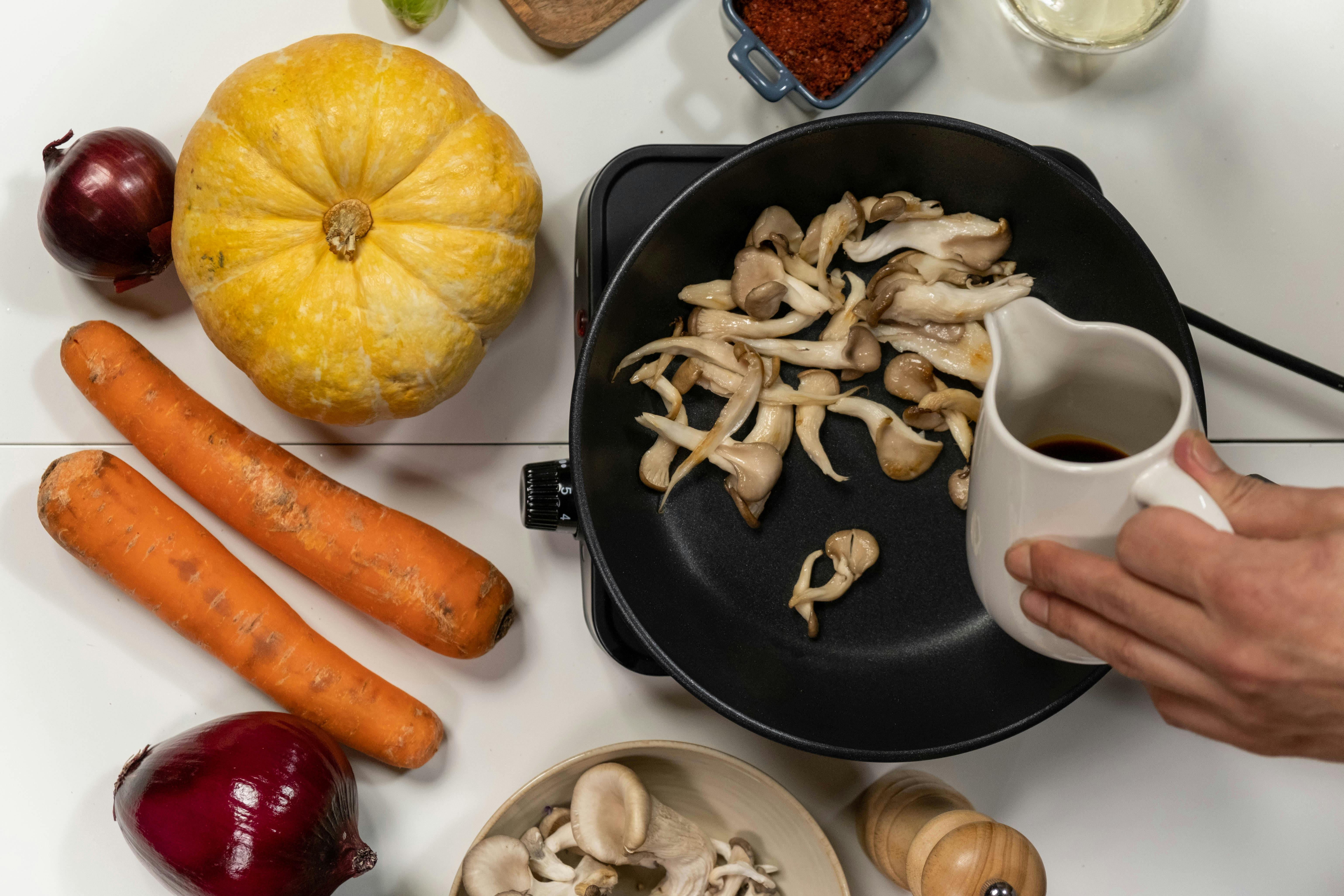
Oyster sauce is regularly cited by chefs as a fast route to savory richness. The thick, dark sauce is commonly used in Chinese cooking and is especially valued for the glossy finish and deep umami it brings to vegetables, noodles, and beef dishes.
Despite the name, oyster sauce does not make food taste strongly of shellfish when used properly. Instead, chefs say it adds a sweet-salty complexity that helps replicate the restaurant flavor many home cooks struggle to achieve.
It is often used in stir-fry sauces with soy sauce, sugar, and a splash of water or stock. Broccoli, bok choy, mushrooms, and beef are common pairings, making it one of the easiest sauces for weeknight dinners.
Hoisin sauce

Hoisin sauce gives home cooks a sweeter, thicker, more aromatic option. Chefs often describe it as a ready-made flavor builder because it combines sweetness, salt, spice, and fermented depth in one spoonful.
In U.S. kitchens, it is best known as a glaze for ribs, a dipping sauce for spring rolls, and a spread for wraps and lettuce cups. It also works in noodle dishes, roasted vegetables, and quick sauces for chicken or pork.
Because hoisin is concentrated, chefs usually use it with restraint. Mixed with lime juice, vinegar, sesame oil, or soy sauce, it becomes more balanced and more adaptable, which is one reason it stays on so many restaurant prep shelves.
Gochujang

Gochujang, the Korean fermented chili paste, has moved firmly into the American mainstream over the past decade. Chefs say it deserves permanent pantry space because it offers heat, sweetness, salt, and fermented complexity in one ingredient.
Unlike a simple hot sauce, gochujang has body and depth. It can be whisked into marinades for chicken, folded into mayonnaise for sandwiches, stirred into stews, or mixed with butter for roasted vegetables and corn.
Professional cooks often point out that gochujang is especially useful for people who want bold flavor without building a sauce from scratch. A spoonful can transform rice bowls, tacos, burgers, and sheet-pan dinners with very little effort.
Sriracha
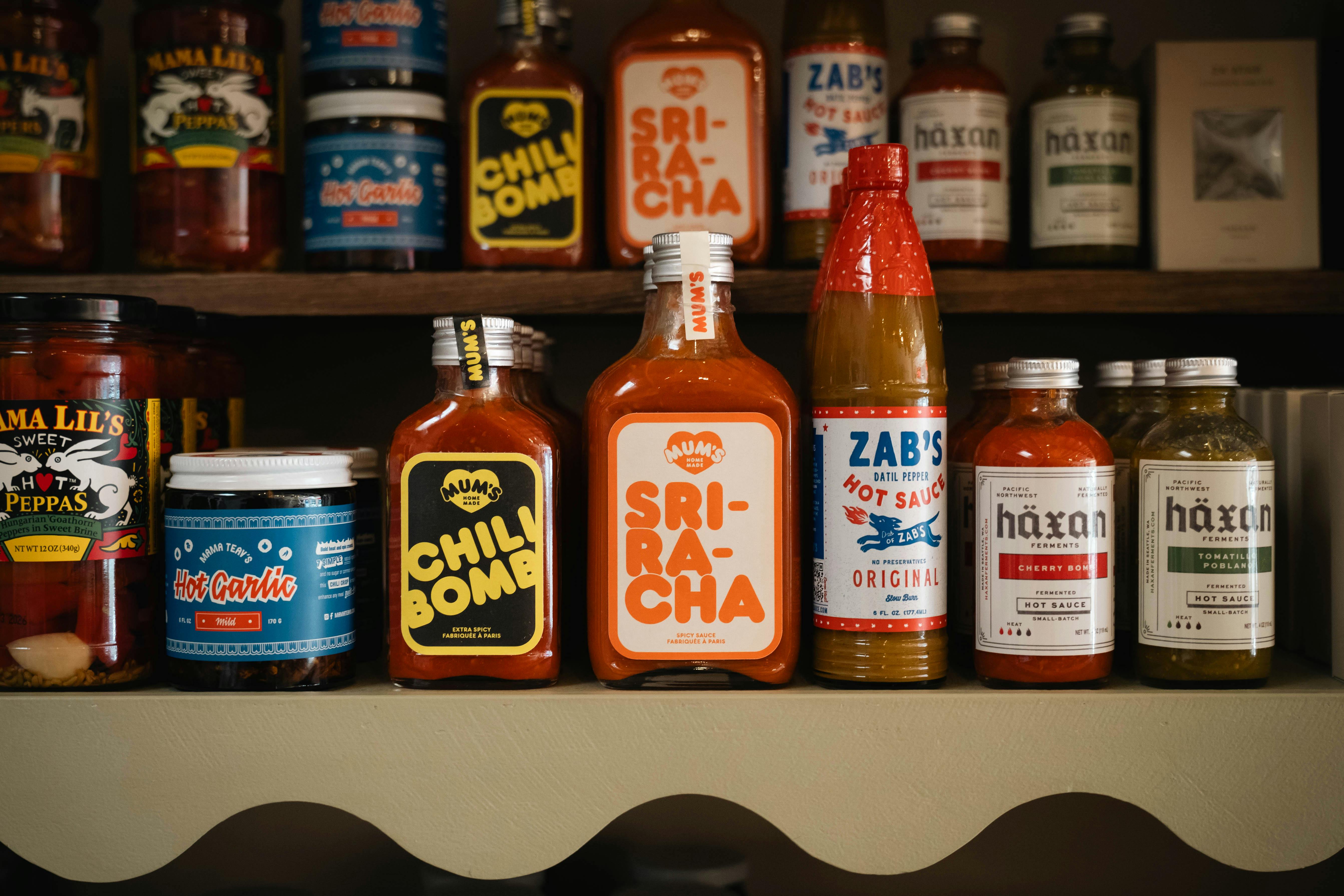
Sriracha remains one of the most familiar Asian condiments in the U.S., even after supply disruptions in recent years drew attention to how often Americans reach for it. Chefs say its staying power comes from balance: it is hot, garlicky, tangy, and easy to use.
It works as a table sauce, but chefs also use it in dressings, deviled eggs, noodle dishes, and glaze mixtures. In many homes, it functions as an all-purpose heat source that is less sharp than some vinegary hot sauces.
That broad usefulness is why cooks still recommend it, even as newer chili condiments gain popularity. For beginners especially, sriracha is an approachable entry point into a wider range of Asian pantry staples.
Chili crisp
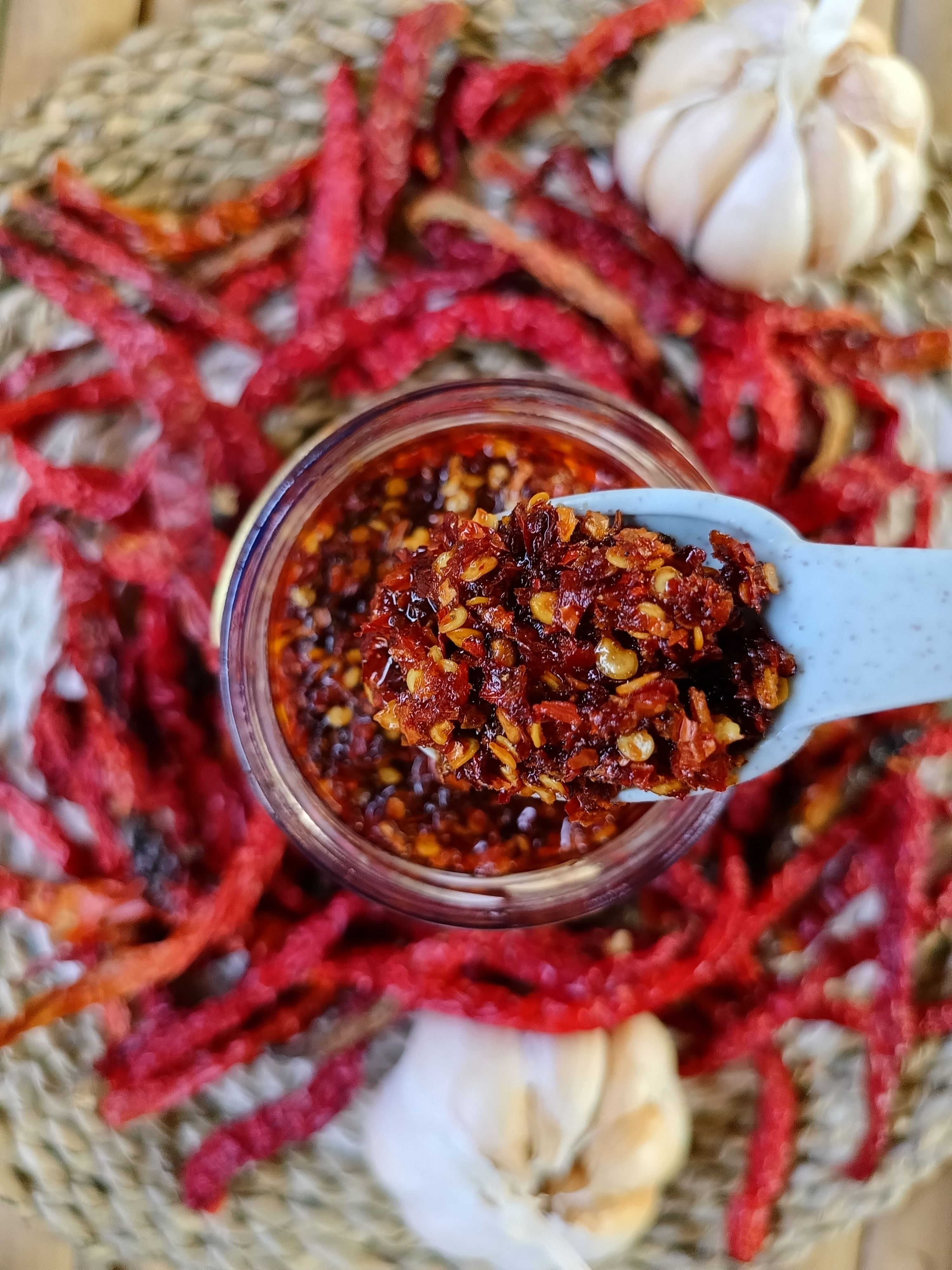
Chili crisp has become one of the fastest-growing pantry favorites in American food retail and restaurant kitchens. Chefs say it stands out because it adds not just heat, but also texture from fried garlic, shallots, sesame, or soybeans depending on the brand.
Its appeal is practical. A spoonful over eggs, noodles, dumplings, pizza, or roasted vegetables can make a simple meal taste finished in seconds. That ease has helped move chili crisp from niche shelves to mainstream grocery aisles.
Chefs also value its range. Some use it like a condiment at the table, while others fold it into sauces, dips, and marinades. For home cooks, that flexibility makes it one of the smartest recent pantry additions.
Toasted sesame oil

Toasted sesame oil is not usually used like a neutral cooking oil, and chefs say that distinction matters. It is a finishing ingredient, added in small amounts at the end of cooking or in dressings, sauces, and dips.
Its aroma is powerful, nutty, and instantly recognizable. Just a few drops can change the profile of noodles, cucumber salads, soups, and grain bowls, which is why chefs call it one of the highest-value bottles by volume.
Because it is so concentrated, one bottle tends to last a long time. That makes it economical for home cooks who want a strong flavor payoff without buying a long list of specialty ingredients.
Rice vinegar

Rice vinegar is the bottle chefs often mention when they talk about balance. It is milder and less aggressive than many Western vinegars, which makes it especially useful for quick pickles, dressings, dipping sauces, and slaws.
In professional kitchens, rice vinegar is used to brighten rich foods without overwhelming them. It can soften the sweetness of hoisin, lift the heat of chili sauces, and add freshness to noodle salads or cooked greens.
For home cooks, that means one bottle can solve a common problem: heavy food that tastes flat. Chefs say a splash of rice vinegar often does more to wake up a dish than extra salt.
Ponzu

Ponzu gives cooks an easy way to add citrus and savory depth at the same time. Usually built from soy sauce and citrus, it is widely used in Japanese cooking and is prized for being both bright and deeply seasoned.
Chefs use ponzu as a dipping sauce for dumplings, a dressing for greens, a sauce for seared fish, or a finishing splash over tofu and rice. It can make cold dishes feel sharper and hot dishes feel lighter.
That dual purpose is why many chefs say it earns a place in home kitchens. For people who want something more nuanced than plain soy sauce, ponzu offers an immediate upgrade with very little learning curve.
Sweet chili sauce
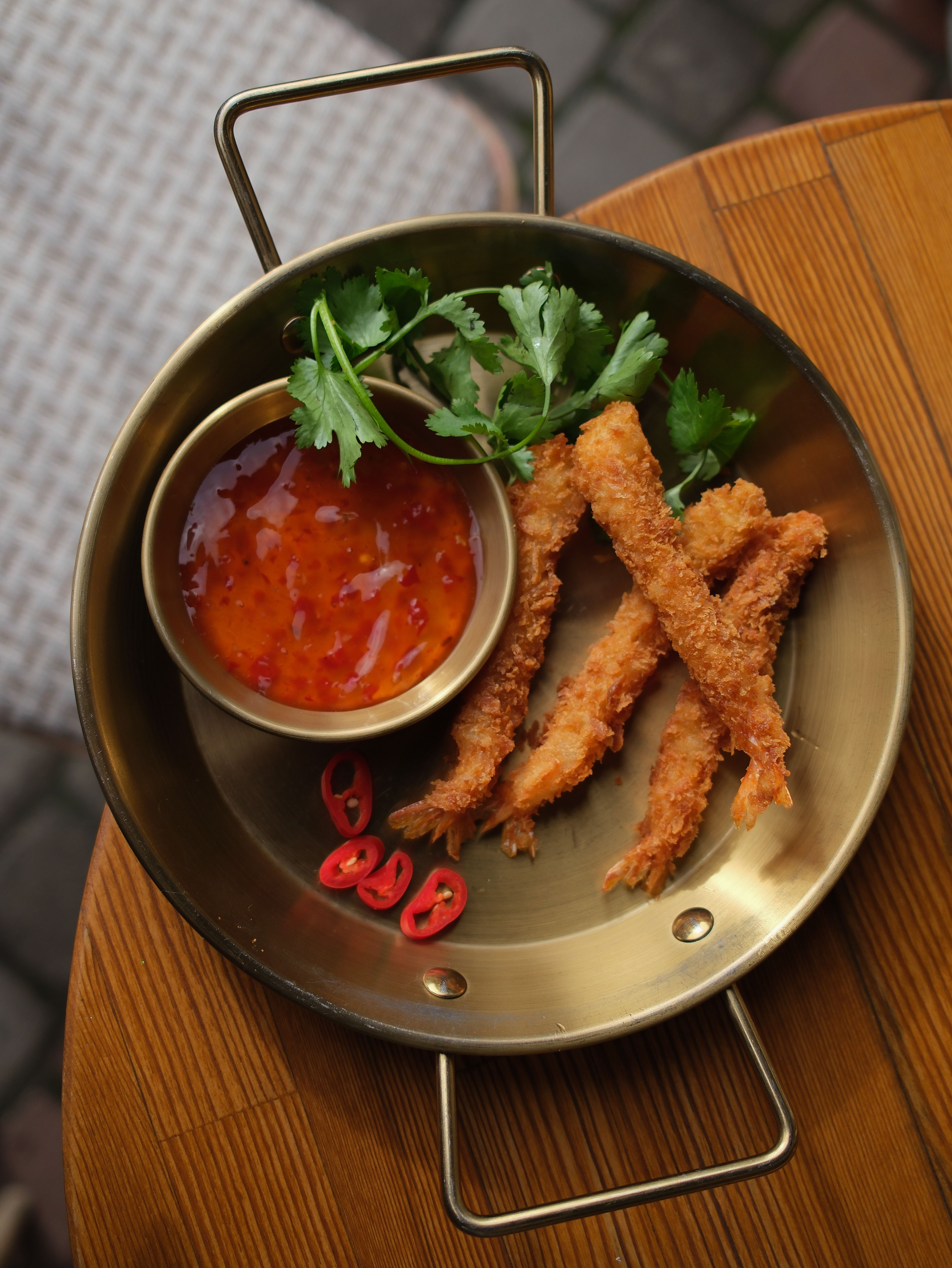
Sweet chili sauce is often recommended as the most family-friendly bottle on the list. Its mix of sugar, chili, garlic, and mild acidity makes it widely appealing, especially for cooks trying to bridge adventurous flavors with familiar comfort foods.
Chefs say it is useful far beyond takeout-style appetizers. It can glaze salmon, coat meatballs, flavor a chicken sandwich, or serve as a dip for roasted vegetables and frozen snacks that need a quick boost.
Its popularity also reflects a broader shift in American home cooking. Many households want sauces that multitask, reduce prep time, and work across different cuisines, and sweet chili sauce fits that need neatly.
Why chefs say these 11 are the core pantry set

Taken together, these 11 sauces cover the core elements chefs rely on most: salt, heat, sweetness, acid, funk, texture, and fermented depth. That range is why professionals increasingly describe them as foundational rather than optional.
Not every home cook needs every bottle on day one, and chefs generally suggest building slowly based on taste and cooking habits. Still, they agree that these sauces make it easier to cook vegetables, proteins, grains, and noodles with more confidence.
For American shoppers, the bigger change is access. Ingredients that once required a specialty market are now widely sold in mainstream supermarkets, making it easier than ever to stock a pantry that cooks say can handle dinner on almost any night.


