Mayonnaise has quietly become one of the hardest-working ingredients in professional kitchens. Far beyond deli salads and burger toppings, chefs use it as a browning aid, binder, marinade base, and shortcut sauce starter.
That matters for home cooks because mayo is already in many refrigerators, and experts say its basic makeup, oil emulsified with egg yolk and acid, makes it unusually useful across savory cooking. In restaurants, those properties help with texture, moisture retention, and speed during service.
It helps grilled cheese brown faster and more evenly

Professional cooks often spread a thin layer of mayonnaise on the outside of bread instead of butter before griddling sandwiches. The method has circulated in restaurant kitchens for years because mayo is easy to spread straight from the refrigerator and coats bread evenly without tearing it.
Food scientists note that mayonnaise contains oil and egg, both of which support browning on a hot surface. The result is a deeply golden crust with less patchiness than butter can sometimes produce, especially when butter is too cold to soften properly before cooking.
Restaurant cooks also like the consistency this gives them during a rush. A line cook can swipe mayo on dozens of sandwiches quickly, then send them to the flat-top with reliable results from edge to edge.
For home cooks, the key is restraint. Chefs say a very thin layer works best, because too much can make the bread greasy before it crisps. Used lightly, it creates a crunchy exterior while the center stays soft.
It makes a fast coating for roast chicken and turkey

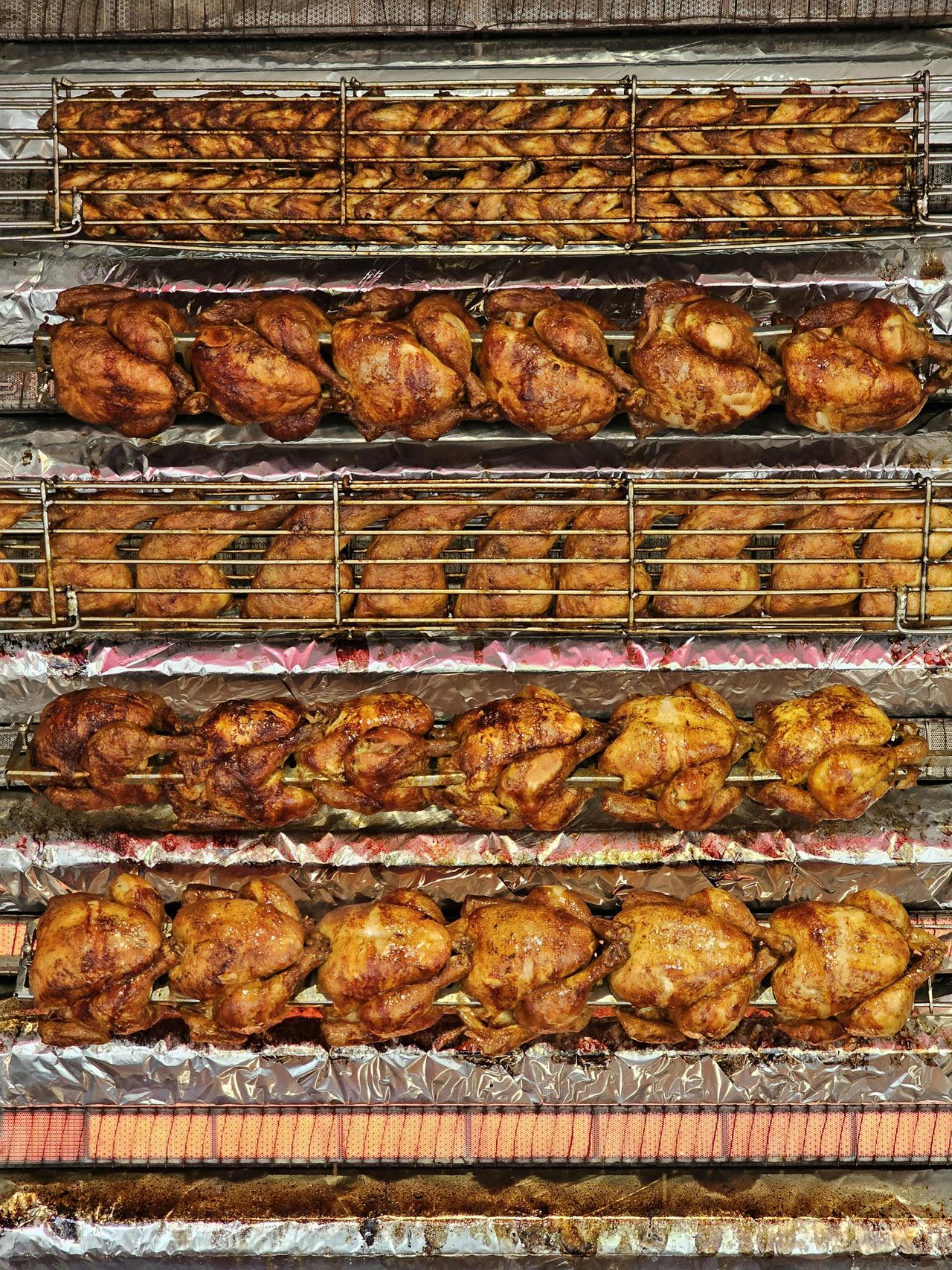
In many professional kitchens, mayonnaise is rubbed onto poultry before roasting. Chefs use it as a practical alternative to softened butter, especially when they want seasonings like garlic, paprika, herbs, or citrus zest to cling tightly to skin.
Because mayo is an emulsion of fat, egg, and acid, it helps create a coating that spreads easily and sticks in a uniform layer. As the bird roasts, that coating can promote color and help the skin render and crisp more evenly.
Cooks in banquet and catering operations value this because it saves time. Instead of repeatedly basting, they can season mayo in advance, rub it over chicken pieces or whole birds, and get steady browning in the oven.
The method is not about making poultry taste like a sandwich spread. Once cooked, the mayo flavor largely disappears, leaving behind seasoning, color, and crispness. That surprise is one reason many chefs say home cooks overlook it.
It works as a binder for crab cakes and meat mixtures

Mayonnaise is commonly used in restaurant kitchens to bind delicate mixtures such as crab cakes, salmon cakes, and some meatballs. Compared with heavier binders, it can help hold ingredients together without making the final texture dense or bready.
In crab cakes, where cooks want sweet lump crab to remain the focus, mayo provides moisture and adhesion with a relatively light hand. It helps herbs, breadcrumbs, mustard, and spices stay unified so patties can be formed and cooked with less breakage.
Some chefs also use small amounts in turkey burgers or lean meat mixtures that risk drying out. The emulsified fat helps with tenderness, while the egg content supports structure during cooking on a grill or plancha.
The practical appeal is simple. In a busy kitchen, one spoonful can solve two problems at once: keeping a mixture moist and helping it hold shape. That efficiency is why professionals reach for it more often than many home cooks realize.
It forms the base of quick aioli-style sauces during service

Restaurant cooks rarely have time to build every cold sauce from scratch during a dinner rush. Instead, many start with mayonnaise and turn it into a fast aioli-style sauce by whisking in garlic, lemon juice, herbs, chili paste, miso, or roasted vegetables.
This approach is common in gastropubs, seafood spots, and sandwich shops where one mother sauce can become several condiments. A plain mayo base can be transformed into chipotle mayo for fries, dill sauce for salmon, or lemon-caper sauce for fried artichokes.
Professionals favor the method because mayo is already stable. It is far less likely to break than a hand-started emulsion made to order, which matters when cooks are trying to keep plates moving consistently.
For home cooks, the lesson is that mayonnaise can be treated more like a blank canvas than a finished condiment. In expert hands, it is often the starting point for sauces diners assume took much longer to make.
It protects fish from drying out under high heat

Chefs often brush fish fillets with a thin layer of mayonnaise before roasting, broiling, or grilling. The coating helps seasonings adhere, but its bigger role is creating a protective film that can reduce moisture loss during aggressive cooking.
This is especially useful with lean fish such as cod, halibut, or tilapia, which can go from tender to dry very quickly. Mayo adds a light fat barrier, and because it spreads so thinly, it does not feel heavy in the finished dish.
In some kitchens, cooks combine it with Dijon mustard, herbs, or grated Parmesan for a crust-like topping. That mixture browns attractively while the fish underneath stays softer than it might with dry seasoning alone.
The technique has become popular in professional test kitchens as well because it is forgiving. A narrow timing window becomes a little wider, which is valuable for restaurants and home cooks alike when seafood prices remain high and mistakes are costly.
It upgrades potato salad and slaw with layered dressing bases

Professional cooks do not always use plain mayonnaise straight from the container in cold salads. Instead, they build more layered dressing bases by mixing mayo with vinegar, pickle brine, sour cream, buttermilk, mustard, or spice blends before adding it to potatoes or shredded vegetables.
That extra step changes both flavor and texture. In coleslaw, for example, a thinner mayo-based dressing can coat cabbage evenly without clumping. In potato salad, acid and seasoning added early can keep the final dish from tasting flat or overly rich.
Deli and catering chefs rely on this because cold side dishes are often made in large batches. A balanced mayo dressing holds up better in storage and tastes more consistent from the first scoop to the last.
For home cooks, the overlooked lesson is that mayo often performs best as one component in a dressing system. Professionals rarely leave it unadjusted when they want sharper flavor, lighter body, or better coverage across a large batch.
It adds richness to mashed potatoes without extra heaviness

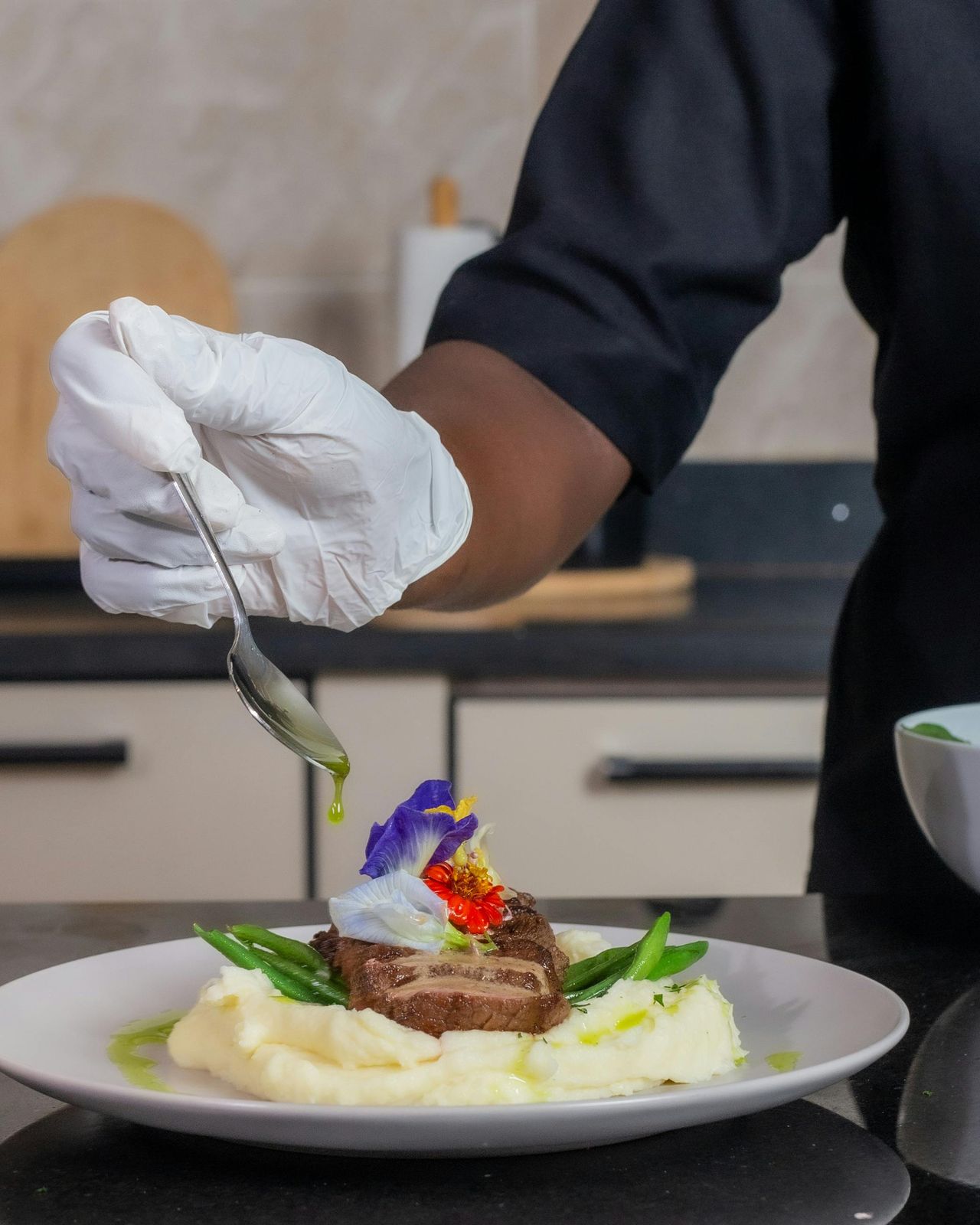
Some chefs stir mayonnaise into mashed potatoes in place of part of the butter, cream, or sour cream. The idea sounds unusual, but in practice it can add fat, silkiness, and a slight tang without making the potatoes feel as heavy as an all-dairy approach.
Because mayo is already emulsified, it blends quickly into hot potatoes when used in modest amounts. That can help create a smoother texture, particularly in restaurant kitchens where mashed potatoes may be held warm for service and need to stay stable.
Cooks using the method usually keep the quantity restrained. The goal is not to make the dish taste overtly of mayonnaise, but to support a creamy consistency and a more rounded flavor profile with less effort.
This is one of those back-of-house tricks that appeals to professionals because it solves texture problems cheaply and fast. At home, it can be especially useful when the refrigerator is low on cream but a tub of mayo is still on the shelf.
It serves as a marinade base for grilled meats

In restaurant prep, mayonnaise is often mixed with spices, garlic, chile, yogurt, or citrus to create marinades for chicken, lamb, or pork. Chefs say the thick texture helps the marinade cling to meat better than thinner oil-and-acid mixtures.
Its fat content also helps carry flavor across the surface of the protein. On a grill, that coating can encourage better browning while reducing the risk that small spice particles simply fall off before the meat reaches the grate.
For skewers and boneless chicken pieces, this can be particularly useful. A mayo-based marinade creates a uniform layer that cooks evenly and helps protect against the dryness that often comes with very hot restaurant grills.
Food professionals emphasize that mayo is not acting as a magic tenderizer here. Instead, it is a delivery system and moisture aid. That distinction matters, and it explains why cooks use it strategically rather than treating it as a cure-all.
It creates crisp toppings for baked casseroles and gratins

Professional cooks sometimes mix mayonnaise into breadcrumb or cheese toppings for casseroles, gratins, and baked seafood dishes. The purpose is to help the topping brown evenly and form a cohesive crust instead of drying out or scattering loosely.
Because mayo contains oil and egg, it can bind crumbs and grated cheese into small clusters that toast attractively in the oven. This is useful on dishes like baked oysters, cauliflower gratin, or macaroni and cheese finished under high heat.
In institutional and banquet cooking, where trays may sit briefly before serving, that stronger top layer also helps the dish hold its appearance. A neatly browned crust reads better on the plate and survives transport from oven to line.
For home cooks, this is a practical trick when a casserole topping tends to stay pale or dusty. A spoonful of mayo folded into the mix can produce more color and crunch without requiring more complicated finishing steps.
It stabilizes dips, sandwich spreads, and composed fillings

One of the most common professional uses for mayonnaise is as a stabilizer in dips, sandwich spreads, and composed fillings. In prepared foods operations, it helps ingredients such as chopped herbs, roasted peppers, canned tuna, chicken, or eggs hold together in a smooth, scoopable form.
That stability matters in delis, cafes, and catering kitchens where products may be portioned hours before they are served. Mayo helps control weeping, keeps flavors distributed, and creates a texture that spreads evenly on bread or crackers.
Chefs also use it to bridge ingredients that might otherwise separate, especially in picnic-style salads and snack dips. A little can make the difference between a filling that looks polished and one that turns watery after refrigeration.
For many professionals, this may be the most practical mayo trick of all. It is not flashy, but it is reliable, cost-effective, and rooted in kitchen math. When one ingredient can improve texture, shelf life, and consistency, it earns permanent space on the line.