What people picture as “jail food” is usually simple and bland. What many do not realize is how unusual some of those meals can be.
Across the United States, local jail menus reveal foods that are unfamiliar to most Americans, shaped by cost controls, court rulings, religion, regional taste and jail policy. The result is a lineup of items that range from powdered drinks and soy entrees to sack meals, meatless loaves and even nutria in one Southern state.
Nutraloaf remains one of the most disputed jail foods

Few correctional foods are as widely debated as nutraloaf, a dense baked mixture made from blended vegetables, beans, grains and other ingredients. It has been used in some jurisdictions as a restricted meal for inmates accused of throwing food or bodily fluids, or otherwise misusing regular trays.
Court records over the years show repeated legal challenges to the practice. Judges have often ruled that serving nutraloaf is not automatically unconstitutional if it meets basic nutritional standards and is given for limited periods, though the cases vary by state and circumstance.
For the public, the surprise is not only that the meal exists, but that it has become a legal issue tied to discipline and inmate rights. Food scholars and prison reform advocates say nutraloaf has become a symbol of how meals in custody can move beyond nutrition and into punishment.
Soy-based meat substitutes became common as budgets tightened

In many county jails and state systems, soy protein is used heavily to stretch meat costs. Menus obtained through public records requests in several states show taco filling, burgers, chili and casseroles made partly or mostly with textured vegetable protein rather than beef.
Corrections officials have long defended the practice as a practical way to meet protein targets at lower cost. Food service vendors also market soy blends as shelf-stable, easy to prepare and compliant with institutional nutrition standards.
The food surprises many Americans because it often appears in forms that resemble familiar comfort meals, even though the main ingredient is different. Some incarcerated people have complained in lawsuits and grievances about digestive issues or menu repetition, while departments generally maintain the products are safe and approved.
Bologna sandwich sack meals are a routine fallback in many jails

One of the most common but least discussed jail meals is the sack meal, often built around a bologna or processed meat sandwich. These meals are frequently used during transport, lockdowns, staffing shortages or times when inmates cannot be moved safely to a dining area.
Publicly posted menus in county jails from Texas to the Midwest have shown recurring sack meals paired with fruit, chips, cookies or a small carton of milk. The sandwich itself is usually made with white bread and a thin layer of mustard or margarine.
To many people outside the system, the surprise is how often this basic meal can appear. Former inmates, jail monitors and sheriffs’ offices have all described sack meals as a logistical tool, not a special menu item, underscoring how jail food is often driven by operations as much as by taste.
Powdered drinks and imitation juice are standard on many trays

Another little-known staple of jail dining is the powdered beverage, sometimes labeled as fruit drink rather than juice. It is widely used because it is cheaper than refrigerated milk or 100% juice and can be mixed in bulk for large populations.
Menus and procurement documents show correctional kitchens buying drink mixes in institutional quantities. These beverages may come in orange, grape, fruit punch or lemonade flavors and are often fortified with vitamin C or other nutrients to satisfy menu planning requirements.
For the average American, the surprise is that what looks like juice on a tray may be a reconstituted product chosen for budget reasons. Dietitians who work with institutions say such drinks are common in settings where food service must balance cost, calories and shelf life at scale.
Meatless Friday and religious meals can shape entire jail menus
Jails must accommodate some religious dietary needs, and that can produce meal choices many people do not expect. On Fridays during Lent, for example, some facilities have served fish patties, macaroni and cheese, peanut butter sandwiches or bean-based dishes to a broad inmate population or to approved religious groups.
Kosher and halal meals can also look very different from standard trays. Depending on the jail, they may involve prepackaged certified entrees, tuna pouches, chickpeas, lentils, eggs or shelf-stable vegetarian items to avoid cross-contamination.
These menus matter because they reflect both constitutional obligations and budget pressure. Religious meals have been the subject of lawsuits and policy changes nationwide, and jail administrators often say the challenge is providing compliant food consistently while managing costs and security constraints.
Ramen noodles function as both food and jail currency
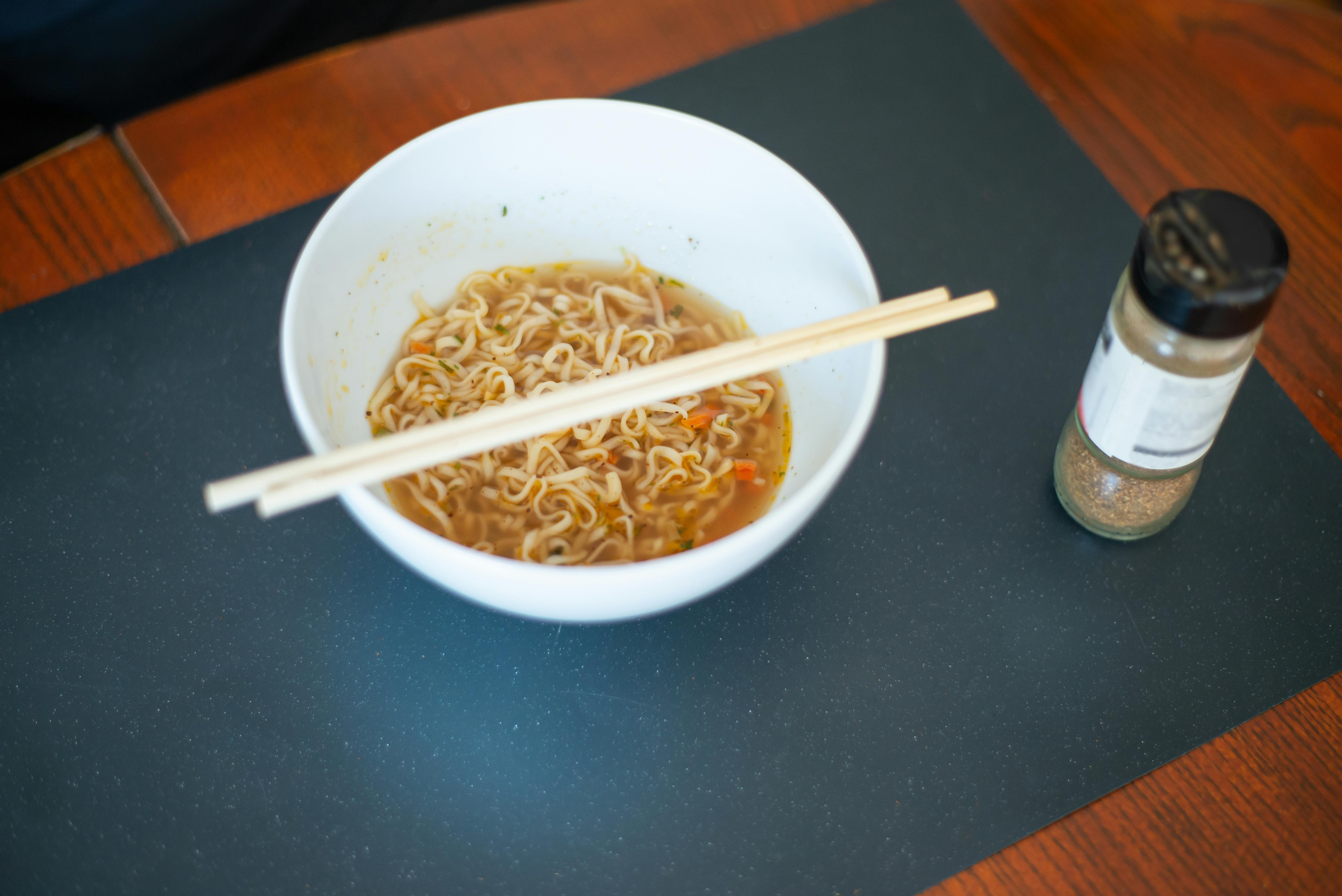
Ramen is not always a formal part of the meal tray, but it is one of the most important foods inside many American jails. In commissaries across the country, instant noodle packs are among the cheapest and most purchased items, according to commissary lists and reporting from corrections researchers.
The product’s role goes beyond eating. Former inmates and criminal justice experts have described ramen as a kind of informal currency used for trade, debt and favors, especially after smoking bans and other policy changes reduced the value of cigarettes inside facilities.
To the public, what is surprising is that a 1 pack of noodles can carry social meaning far beyond its food value. It becomes a meal supplement, a seasoning base and, in some settings, a stand-in for cash in an economy created by confinement and scarcity.
Hydrated beans and canned greens are Southern jail staples
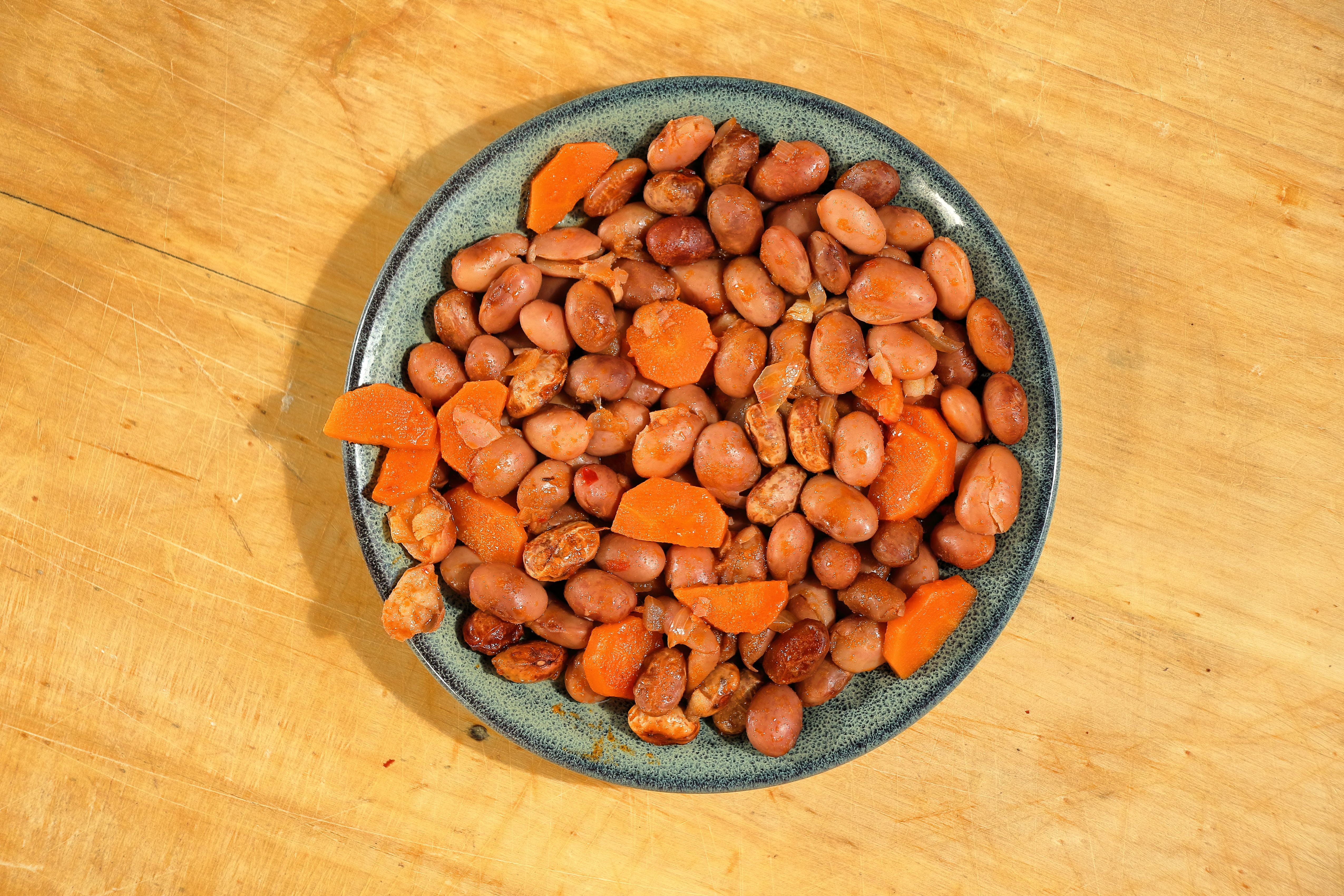
Regional food culture shows up even behind bars. In parts of the South, jail menus have long featured pinto beans, black-eyed peas, turnip greens, collard greens and cornbread, often prepared in large steam kettles for hundreds of servings at a time.
Sheriffs and jail kitchen managers in Southern counties have sometimes described these foods as inexpensive, filling and familiar to local inmates. Dry beans can be bought in bulk, stored easily and paired with rice or bread to meet calorie targets at relatively low cost.
What surprises outsiders is not that these foods are humble, but that they can be closer to a traditional home-style plate than many assume. Even so, the recipes are usually simplified for mass service, with lower seasoning and tighter portion controls than in a family kitchen.
Nutria has appeared on Louisiana jail menus
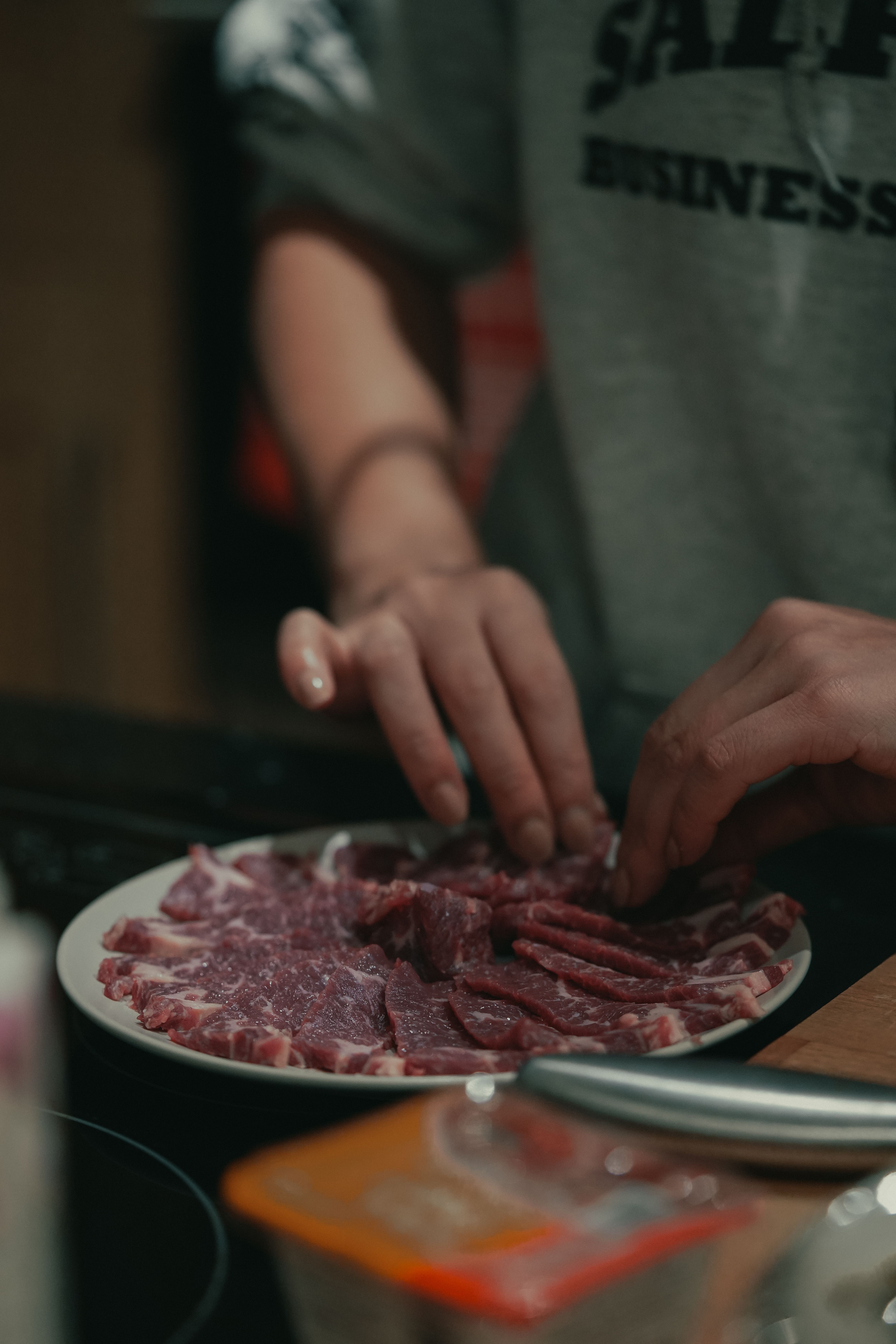
One of the most unusual documented jail foods in the United States is nutria, a large semi-aquatic rodent found in Louisiana wetlands. In the 1990s and 2000s, some Louisiana officials promoted nutria meat for institutions, including jails and prisons, as a way to reduce environmental damage caused by the invasive species.
State agriculture and wildlife agencies described the meat as lean and similar to rabbit or dark turkey when prepared properly. Supporters argued that using nutria could help control the animal’s spread while providing a low-cost protein source for public institutions.
The idea drew national attention because of the animal’s image rather than any broad proof of menu popularity. While nutria never became a mainstream American food, its appearance in correctional food planning remains one of the clearest examples of how local conditions can shape jail meals.
Fortified cereals and peanut butter often fill nutrition gaps
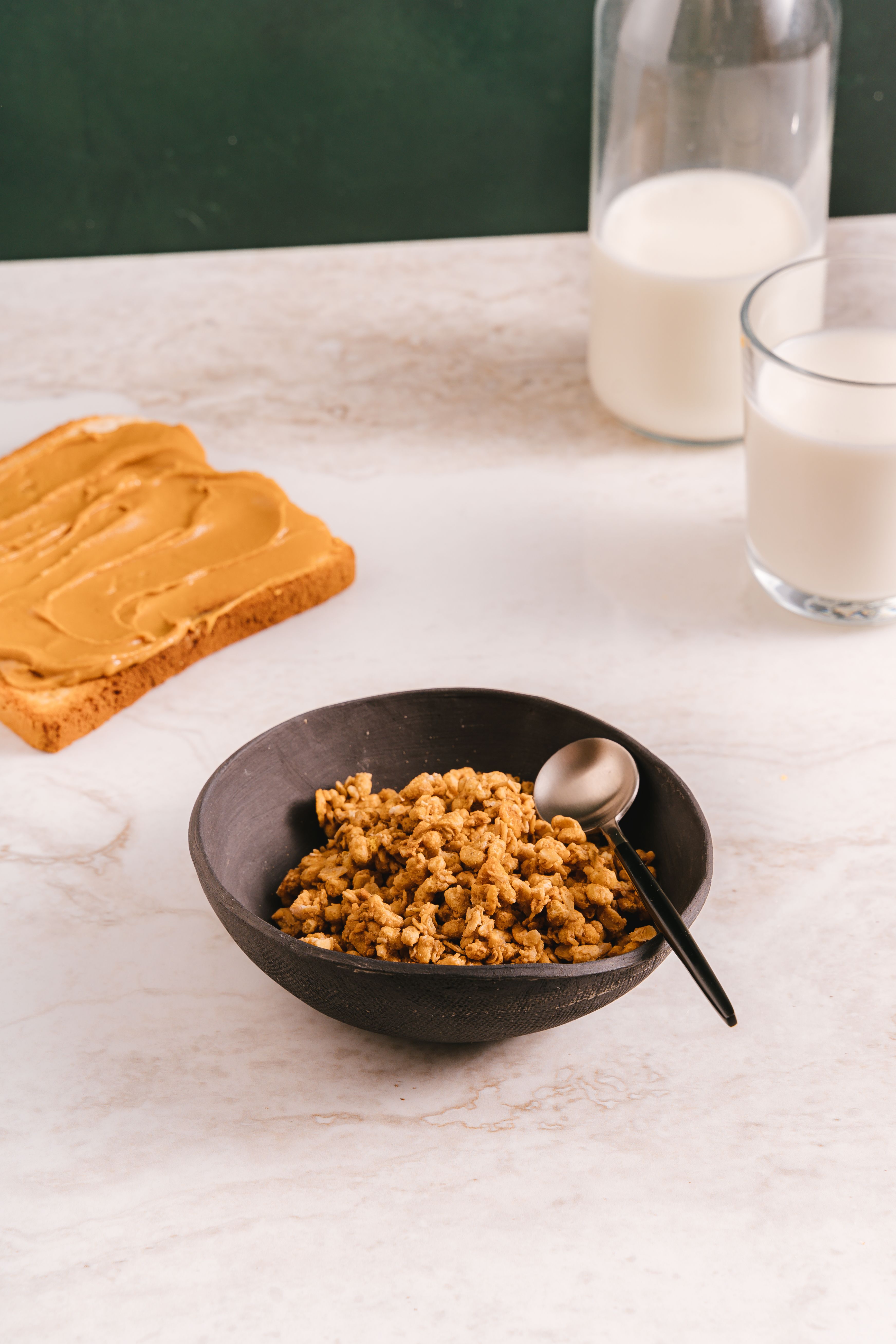
Breakfast in many jails is built around foods selected less for excitement than for nutrition math. Fortified cereals, instant grits, oatmeal, hard-boiled eggs and peanut butter are common because they are inexpensive, easy to store and useful for meeting calorie and vitamin requirements.
Peanut butter in particular shows up repeatedly on menus because it delivers fat and protein at low cost. It may be served in sandwiches, with crackers or as part of vegetarian trays when meat options are limited or unavailable.
For readers used to varied breakfast choices, the surprise is how heavily correctional kitchens rely on a small set of functional staples. Dietitians working with institutions often build menus backward from nutrient targets, meaning the food on the tray is designed first to satisfy standards, not personal preference.
Jail food varies sharply because local governments run most jails

The biggest takeaway from jail menus nationwide is that there is no single American jail diet. Most jails are operated by counties or cities, and menus can differ sharply based on budget, vendor contracts, regional food prices, kitchen capacity and state detention standards.
That local control helps explain why one jail may serve fish patties and beans while another relies on soy tacos, bologna sandwiches and powdered drinks. It also explains why controversies over meal quality, religious access and disciplinary food often emerge county by county rather than through one national policy.
For the public, the hidden story is how much of jail food is shaped by local government decisions that rarely draw attention unless a lawsuit, audit or scandal brings them into view. What lands on a tray can look surprising, but it usually reflects a system built around cost, compliance and control.