

Grocery budgets are still tight for many U.S. households, even as overall food-at-home inflation has cooled from earlier peaks. In March 2026, the Bureau of Labor Statistics said food-at-home prices were up 1.9% from a year earlier, with bread up 4.6%, while rice, pasta and cornmeal rose just 0.5%, showing why low-cost pantry staples remain central to budget cooking.
That pressure is shaping what people cook at home. USDA food plans are still built on the idea that affordable eating depends heavily on meals prepared from basic ingredients, and Feeding America’s latest national meal-cost estimate put the average cost of a meal at about $3.58 based on 2023 spending data, a reminder that even small savings add up fast.
1. Bean and rice bowls
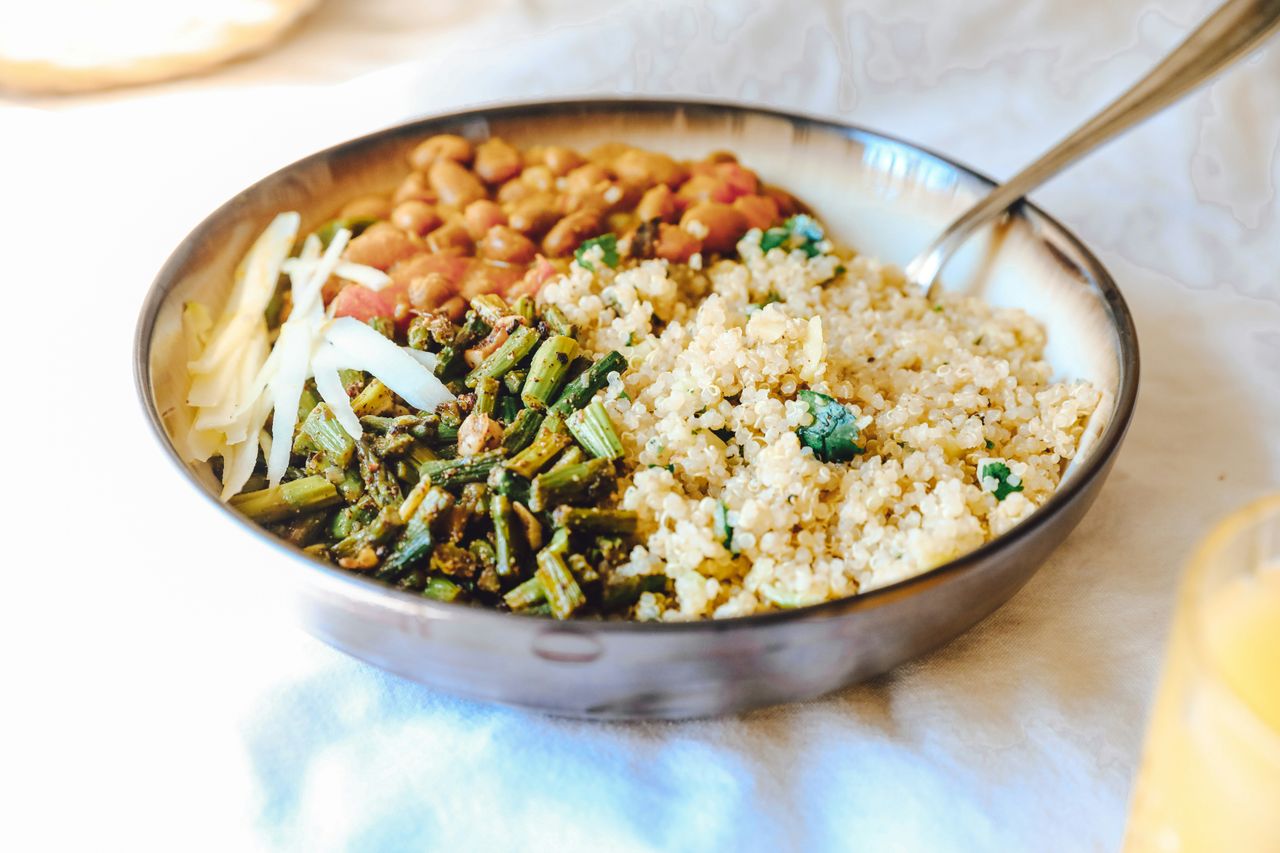
Bean and rice bowls remain one of the clearest examples of a budget meal that still checks the boxes on cost, fullness and flexibility. Dry beans and rice store well, can be bought in bulk and work across several meals, which matters when households are trying to keep waste down and avoid extra trips to the store. USDA food planning has long leaned on pantry basics like these because they are inexpensive and practical for home cooking.
The appeal is simple. A pot of rice can become lunch, dinner and leftovers, while black beans, pinto beans or lentils can be seasoned in different ways without changing the basic shopping list. Add onion, canned tomatoes, frozen corn, shredded cabbage or a fried egg on top, and the same core meal can shift from Tex-Mex to curry-style to a simple grain bowl.
Nutrition experts often point to beans as one of the best low-cost proteins in the store because they bring both protein and fiber. For shoppers facing high prices in meat aisles, that matters. BLS data for March 2026 showed the meats, poultry and fish category up 5.6% over the year, while beef and veal rose 12.1%, making bean-based meals a more attractive fallback for families looking to trim weekly totals.
2. Pasta with garlic, greens and beans
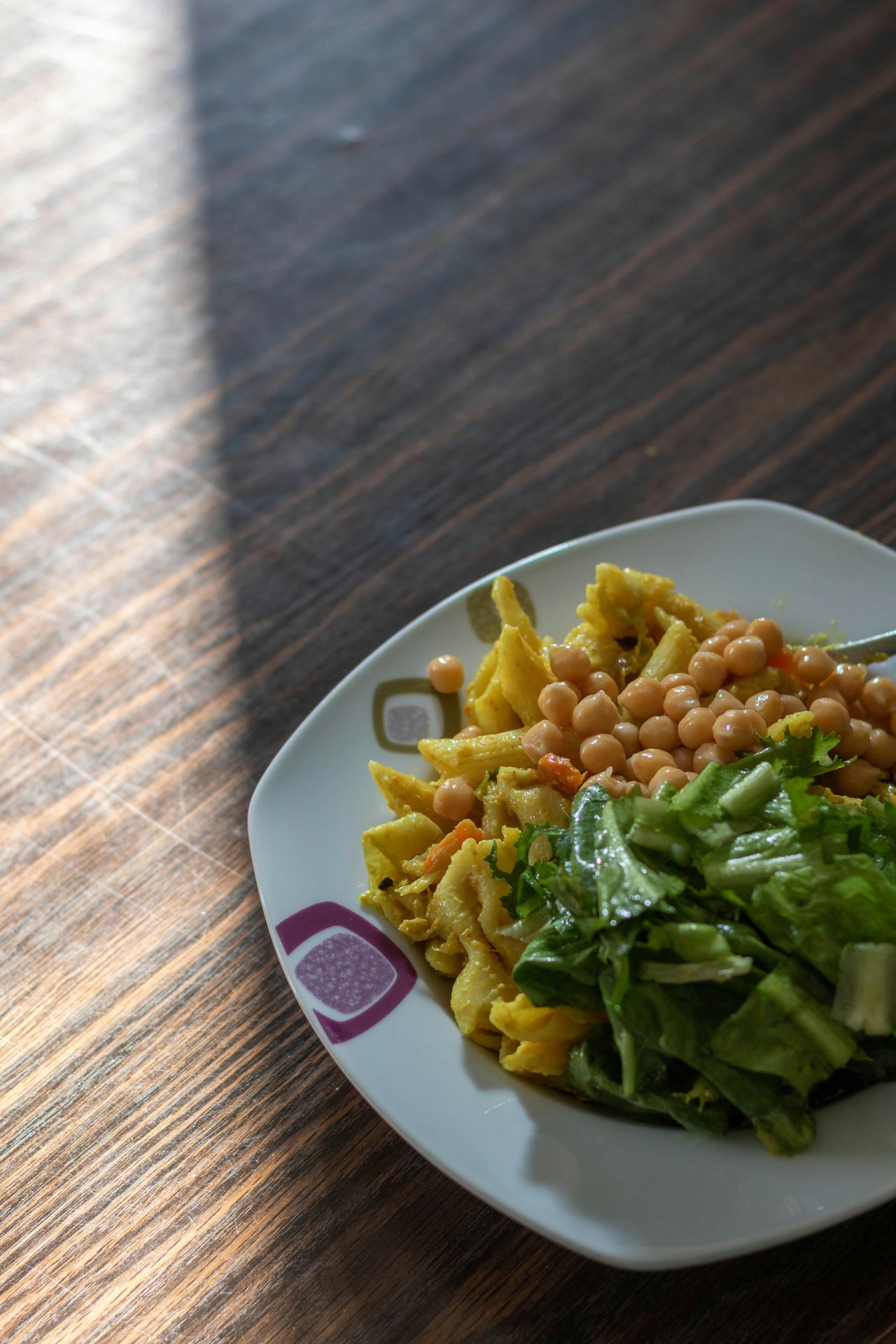
Pasta is still one of the easiest ways to turn a few inexpensive ingredients into a meal that feels complete. BLS data showed rice, pasta and cornmeal prices up just 0.5% over 12 months in March 2026, far below many higher-cost grocery categories. That relative stability helps explain why pasta remains a staple in thrift-focused meal planning.
The budget-smart version skips expensive jars of sauce and leans on pantry flavor. Garlic, olive oil, a can of white beans or chickpeas, and a bag of spinach or kale can coat pasta quickly and stretch several servings. If there is leftover rotisserie chicken, sausage or grated cheese in the fridge, a small amount goes a long way without turning the dish into a costly dinner.
What makes this meal useful is how well it handles substitution. Frozen spinach works if fresh greens are too expensive. Crushed tomatoes can replace greens entirely. Breadcrumbs toasted in a skillet can stand in for Parmesan. That kind of flexibility is increasingly valuable for shoppers who are comparing prices week to week and adjusting on the fly rather than cooking from a fixed plan.
3. Egg fried rice with leftover vegetables
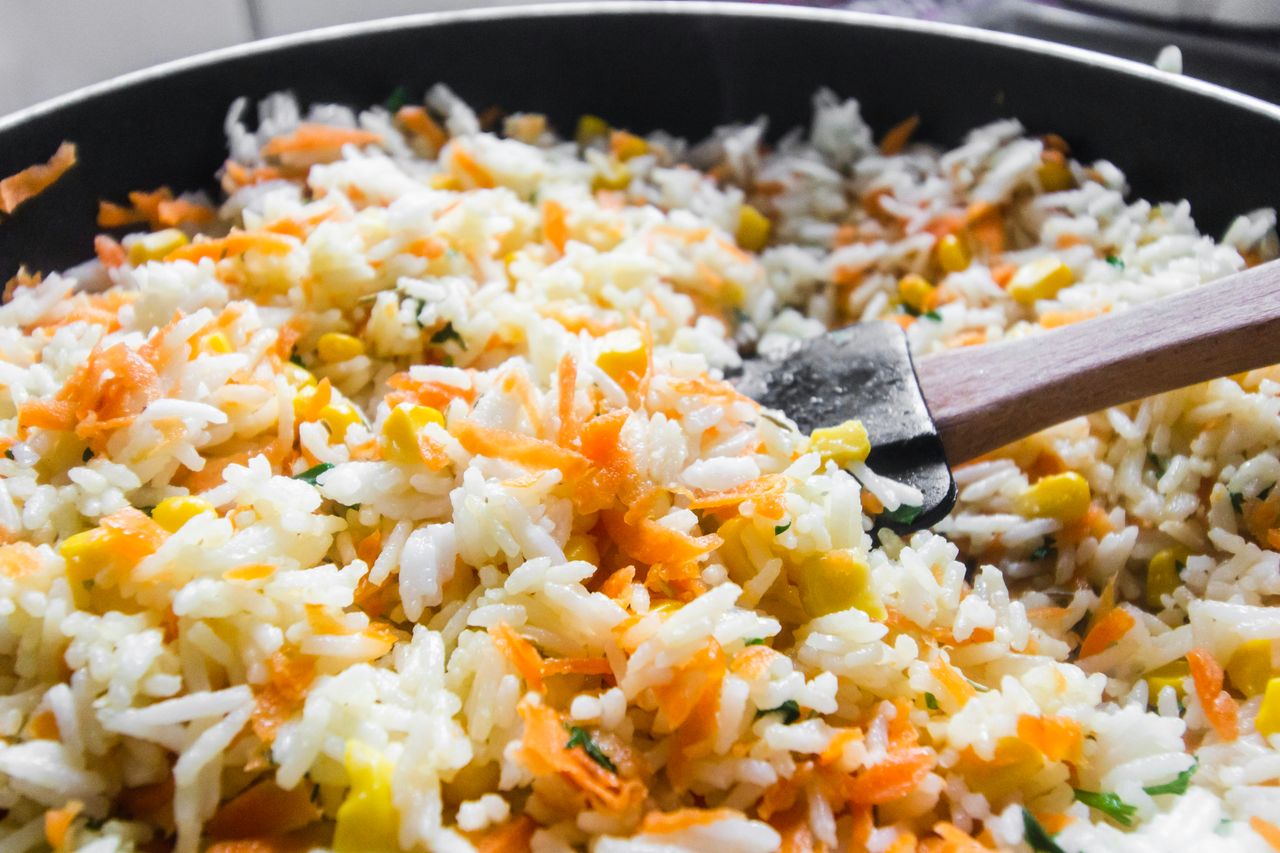
Egg fried rice has become a classic budget move because it is built for leftovers. Day-old rice, a few eggs, bits of carrot, peas, scallions or any stray vegetables can become dinner in one pan. It is also fast, which matters because meals that take too much time are less likely to compete with takeout, even when money is tight.
Egg prices have been volatile in recent years, but eggs still function as a lower-cost protein compared with many cuts of meat, especially when used strategically. One or two eggs mixed through rice can feed several people when paired with vegetables and soy sauce, garlic or a spoonful of chili crisp. The meal also helps reduce waste by using ingredients that might otherwise be thrown out.
USDA’s food plans assume that practical low-cost eating happens mostly through home-prepared meals rather than convenience foods. Fried rice fits that model almost perfectly. It rewards planning, turns leftovers into something new and gives households a way to absorb small amounts of produce before they spoil. In a week when groceries need to cover every meal, that kind of kitchen efficiency can matter as much as price alone.
4. Lentil soup with bread
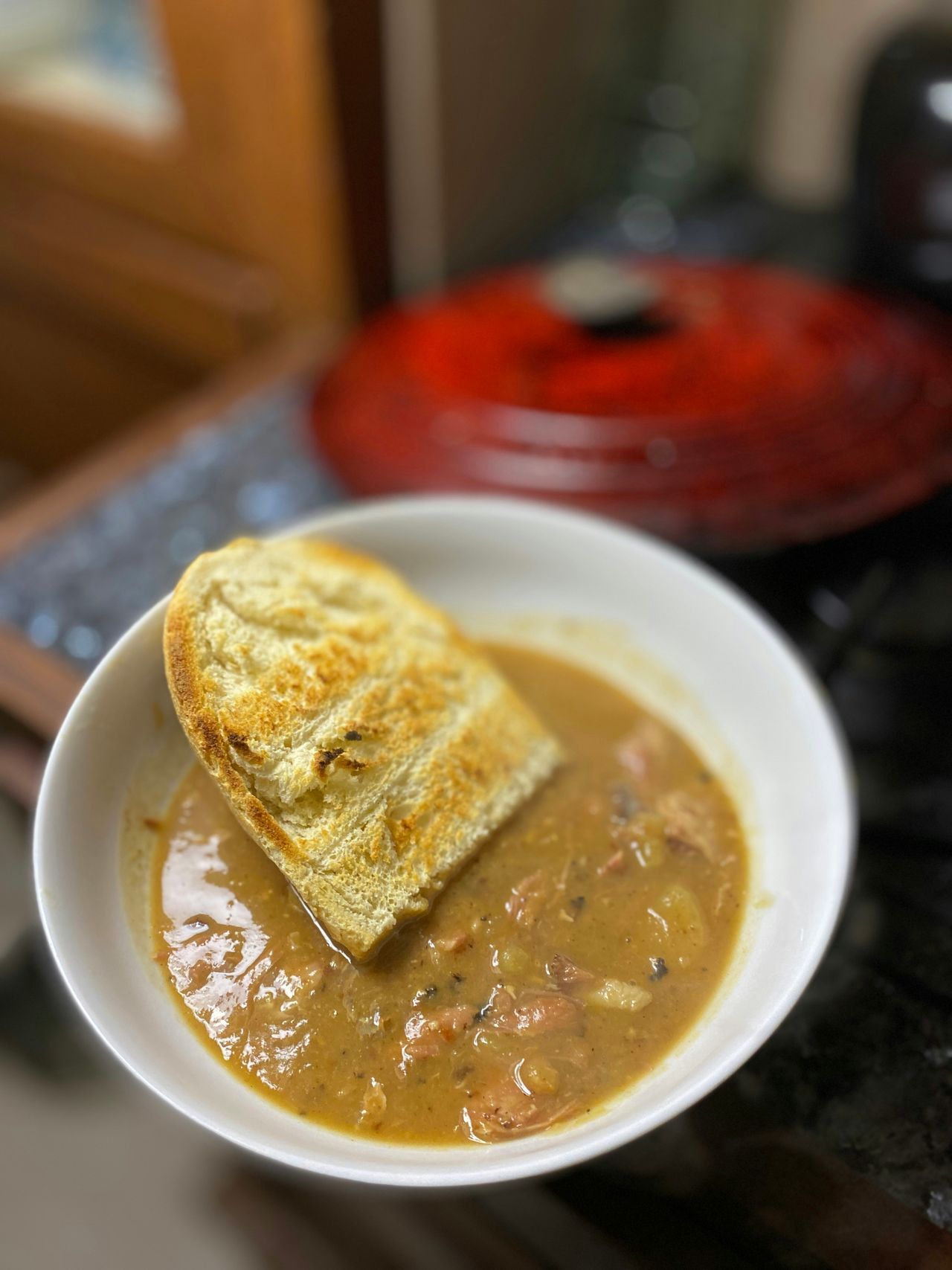
Lentil soup keeps showing up in budget cooking for a reason. Lentils cook faster than many dry beans, do not require soaking and can be turned into a filling pot of soup with onion, carrots, celery, broth or water and a few spices. When money is tight, the ability to make several hearty servings from one bag is hard to beat.
The case for soup is not only price. It is also about control. A cook can make it thicker, thinner, more tomato-forward or more vegetable-heavy based on what is on hand. Leftover potatoes, wilted greens or half a can of tomatoes can all go into the pot. Served with toast or bread, it becomes a full meal that feels more substantial than its ingredient cost suggests.
Bread prices have climbed faster than some pantry staples, with BLS reporting bread up 4.6% year over year in March 2026. Even so, pairing a lower-cost homemade soup with a modest amount of bread is still typically cheaper than building a meal around pricier meats or prepared foods. For families trying to keep dinner spending predictable, lentil soup remains one of the safest bets in the lineup.
5. Baked potatoes topped with chili or broccoli

The baked potato is one of the most underused budget foundations in the grocery store. Potatoes are cheap, shelf-stable and filling, and they can carry toppings that transform them from side dish to dinner. A potato topped with bean chili, steamed broccoli, shredded cheese or plain yogurt can become a satisfying meal with very little extra spending.
Its main advantage is adaptability. If a household already has leftover taco meat, black beans or roasted vegetables, the potato becomes a vehicle for using them up. If not, a simple topping like butter and beans still works. This is the kind of meal that helps bridge the gap between pantry cooking and comfort food, which is part of why it holds up in tight-budget weeks.
For shoppers under pressure, meals like this also spread expensive ingredients more efficiently. A small amount of cheese or cooked meat feels more generous over potatoes than it does on its own. Feeding America has repeatedly highlighted how high food costs force households to make tradeoffs with other essentials, so meals that create fullness at a low base cost can have real practical value beyond just saving a few dollars.
6. Oatmeal bowls for dinner

Breakfast-for-dinner has long been a budget strategy, and oatmeal is one of the cheapest versions of it. While many people think of oats as a morning food, savory or lightly sweet oatmeal can work as an evening meal when topped with peanut butter, bananas, apples, yogurt, seeds or a fried egg. It cooks quickly and uses ingredients many households already keep around.
The economics are straightforward. Oats are usually inexpensive per serving, store for a long time and do not require refrigeration until toppings are added. That gives shoppers room to build a meal from low-cost pantry goods rather than fresh items that may spoil. In weeks when produce selection is limited or prices feel uneven, a bag of oats can help steady the meal plan.
This option also reflects a wider shift in how households define dinner during tight times. Instead of insisting on a meat-centered plate every night, many families are choosing meals that are warm, filling and affordable first. USDA guidance on eating on a budget has long emphasized planning, using what is on hand and stretching ingredients across meals. Oatmeal dinner bowls fit that approach neatly.
7. Cabbage stir-fry with noodles
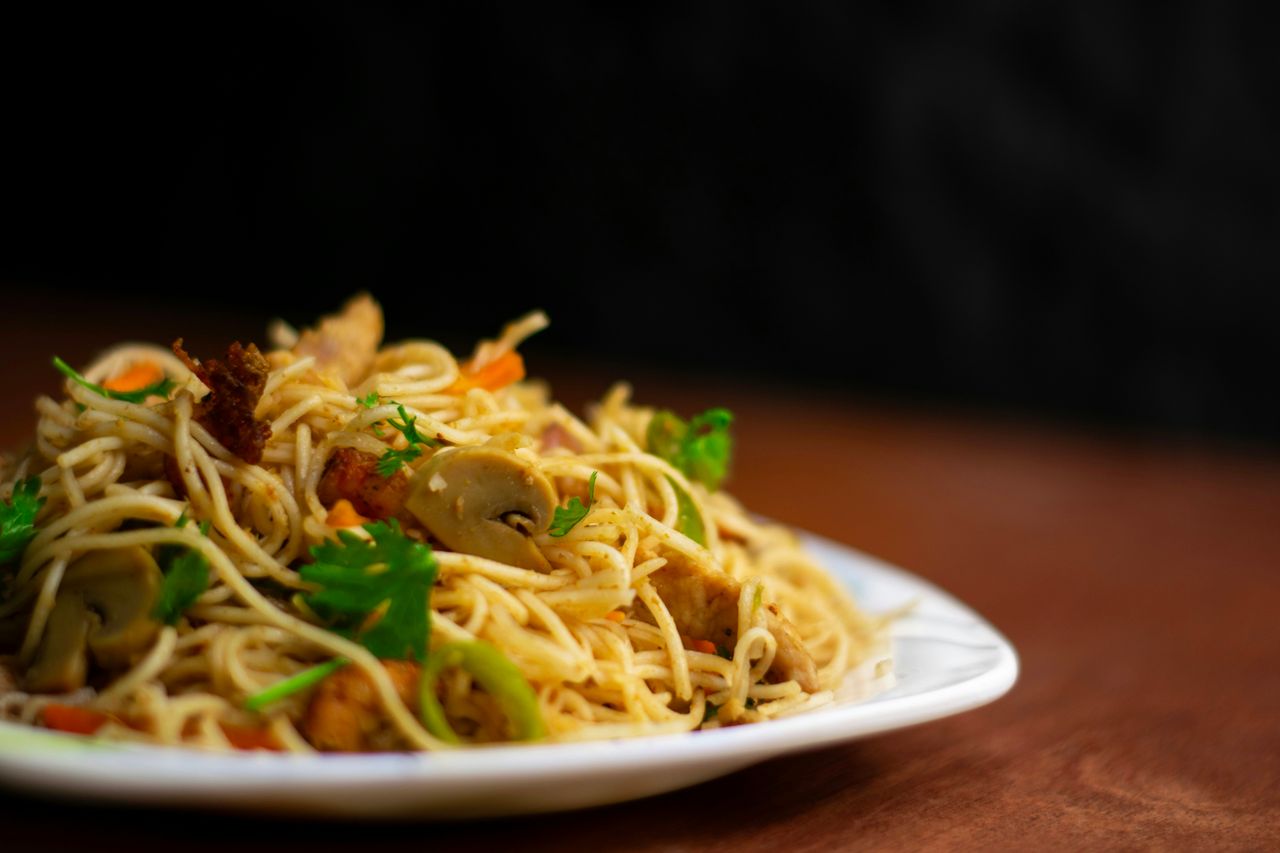
Cabbage is one of the quiet stars of budget cooking because it lasts longer than many other vegetables and can feed a lot of people from a single head. Sliced thin and cooked with onions, carrots and noodles, it turns into a fast stir-fry that feels generous without requiring costly ingredients. A little soy sauce, garlic and vinegar give it enough flavor to stand on its own.
This meal works especially well when households need produce that can survive a full week in the refrigerator. Unlike delicate greens, cabbage can wait its turn. That reduces the odds of waste, which is a major hidden grocery cost. If tofu, scrambled egg or leftover chicken is available, it can be added, but the dish does not depend on them.
The appeal is partly financial and partly practical. BLS data showed food-at-home prices rising more slowly than headline inflation in March 2026, but many individual items still moved unevenly. Shoppers have responded by favoring produce with a lower risk of spoilage and pantry meals with flexible formulas. Cabbage noodle stir-fry sits right in that sweet spot: cheap, sturdy and easy to remake based on whatever is left in the kitchen.
8. Tuna melts or chickpea salad sandwiches
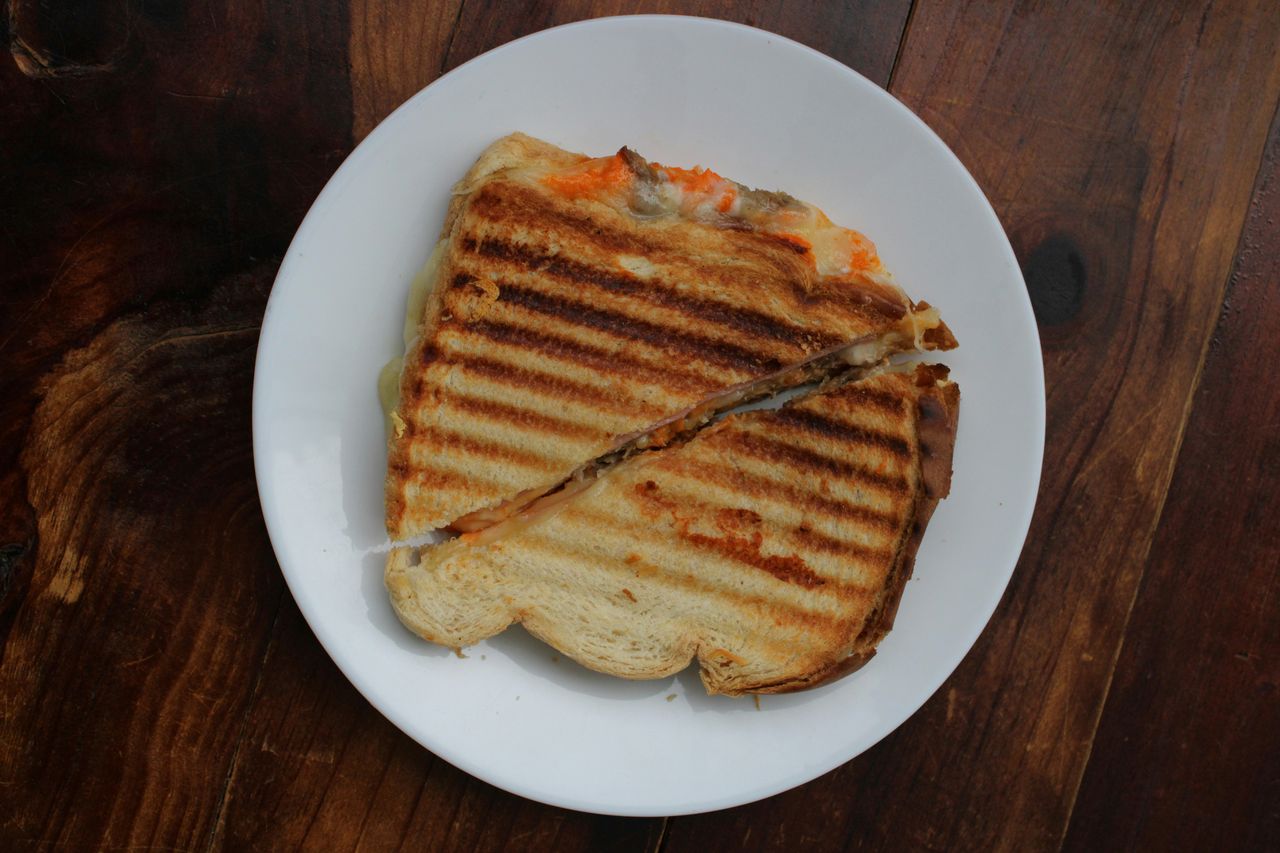
Sandwiches may sound obvious, but budget-conscious versions are becoming more strategic. Tuna melts, chickpea salad sandwiches and mashed white bean sandwiches all use relatively inexpensive proteins and turn them into a lunch or dinner that requires little cooking. They also work well for remote workers, students and families trying to avoid buying prepared meals outside the home.
The key is using a strong-flavored filling so a modest amount feels substantial. Tuna mixed with celery and mayo, or chickpeas mashed with mustard, onion and lemon, can stretch across multiple sandwiches. Add toast, pickles or a small bowl of soup and the meal feels complete. Because the fillings hold up for a day or two, they also support meal prep without much effort.
For households counting every grocery dollar, meals like these help create low-cost, low-labor options at home, which can reduce the temptation to spend on takeout. USDA’s monthly food plan framework is based on meals prepared at home, and that assumption becomes more realistic when those meals are simple enough to repeat during a busy week. Sandwich dinners are not flashy, but they remain one of the most durable budget tools around.
9. Sheet-pan chicken with carrots and onions
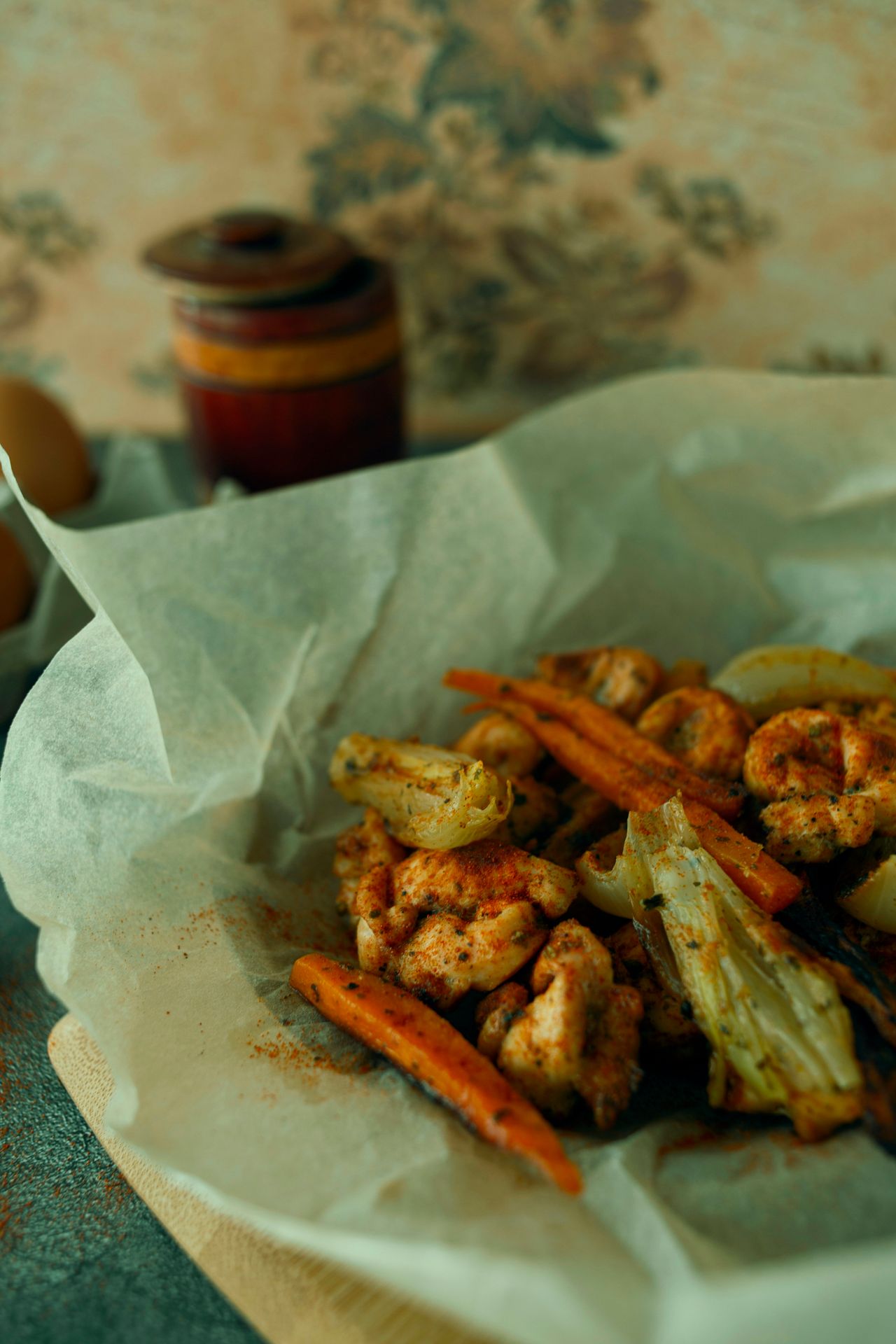
Some budget meals still include meat, but the way meat is used has shifted. Sheet-pan chicken with carrots and onions works best when shoppers choose lower-cost cuts, buy on sale or use smaller portions alongside vegetables. The vegetables do more of the volume work, while the chicken adds flavor and protein without dominating the plate.
That matters because meat prices have stayed relatively firm. BLS reported overall meats, poultry and fish up 5.6% in March 2026 from a year earlier, with beef posting even bigger gains. Chicken has generally been less punishing than beef, making it a more manageable option for households that still want an animal protein in the mix.
The sheet-pan format helps on labor and cleanup, two factors that often decide whether people cook at home at all. Carrots and onions are low-cost staples with good shelf life, and roasting them together creates a full dinner that can also generate leftovers for wraps, rice bowls or soup the next day. In a tighter grocery economy, meals that lead naturally into the next meal are doing more than ever.
10. Pantry quesadillas with beans and frozen corn
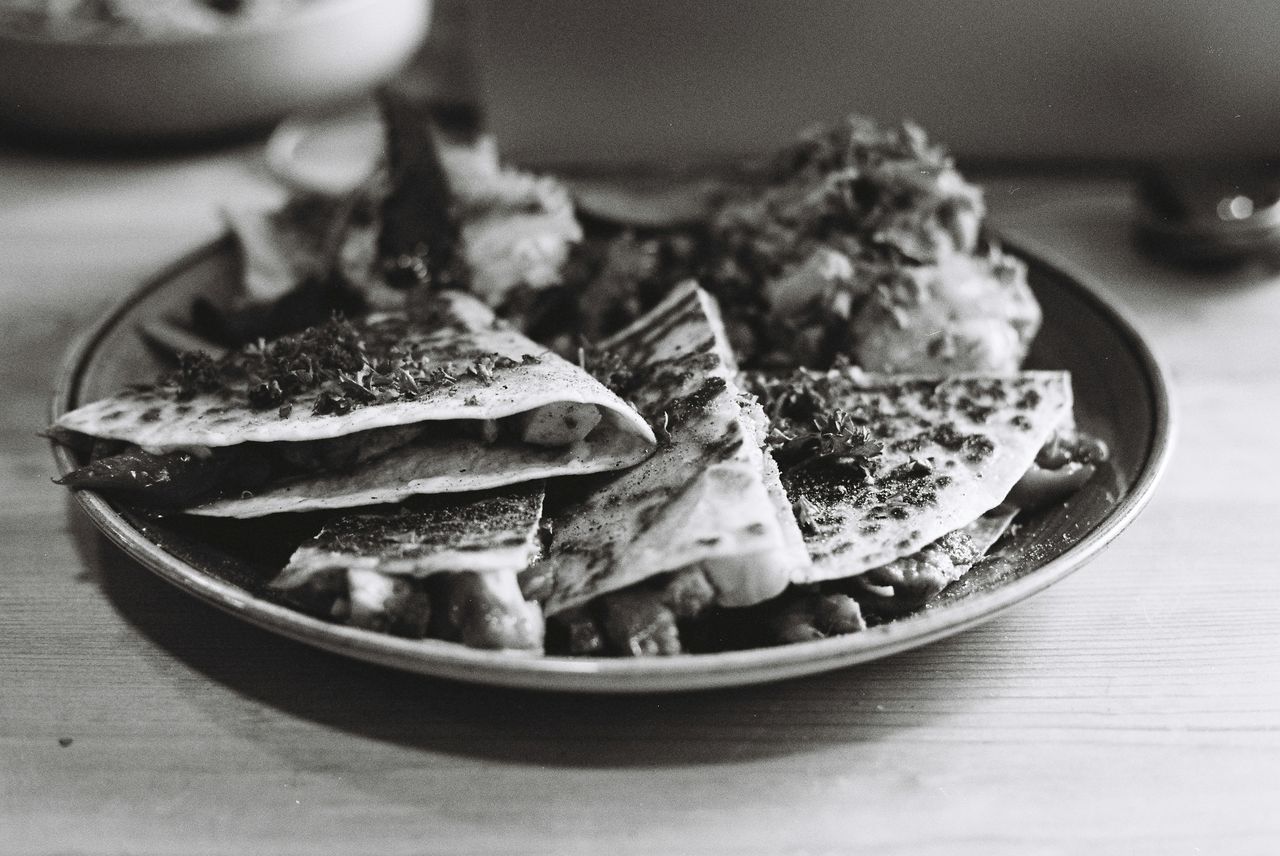
Quesadillas are one of the easiest ways to turn a nearly empty refrigerator into dinner. Tortillas, canned beans, shredded cheese and frozen corn are enough to make them work, and salsa, leftover vegetables or rice can be added without much planning. For many households, they are the ideal end-of-week meal because they use small amounts of ingredients that might not be enough for anything else.
The budget logic is strong. Cheese can be used sparingly, beans add bulk and tortillas tend to keep well. A skillet is all that is required, and the meal can be made in minutes. That combination of speed and thrift matters in real life, especially for families balancing work, school and child care while trying to keep food spending from creeping up.
The larger story behind meals like this is not just frugality. It is adaptation. USDA says its Thrifty Food Plan is meant to show how a nutritious, practical diet can be purchased on a limited budget, and food banks say high costs are still forcing hard choices for millions. Pantry quesadillas reflect how home cooks are responding: with flexible meals that are cheap, familiar and hard to waste.


