

Comfort food has become a value story as much as a flavor story. In 2026, with restaurant prices still rising faster than grocery prices, many of the dishes people return to most are the cheapest ones to make at home.
That matters because the numbers keep pushing consumers in that direction. USDA said food-away-from-home prices rose 3.8% in 2025, while food-at-home prices rose 2.3%, extending a pattern that has made simple pantry meals feel smarter, not just cheaper.
Why cheap comfort food is having a moment

The economics are hard to ignore. USDA’s latest Food Price Outlook said overall food prices rose 2.9% in 2025, with restaurant meals again outpacing grocery costs. For 2026, USDA expects food-away-from-home prices to rise 3.6%, compared with 2.4% for food at home. The agency also reported that beef and veal prices were 12.1% higher in March 2026 than a year earlier, a reminder that the more premium the protein, the harder the hit at the checkout line.
That price split helps explain why classic low-cost comfort foods keep winning. The National Restaurant Association has been leaning heavily into value messaging, and restaurant industry reporting has described nostalgia, comfort, and affordability as major themes on menus heading into 2026. Even chain operators that want buzz are finding that burgers, sandwiches, soups, pizza, and snackable comfort items are what still pull customers in.
There is also a quality issue hiding inside the price issue. Expensive versions of comfort foods often add too much. Fancy mac and cheese can turn gluey under heavy cream and truffle oil. Upscale grilled cheese can lose its point when thick artisan bread overwhelms the crisp buttered surface people actually want. The best comfort foods are usually built on contrast, salt, starch, fat, and familiarity, and those strengths do not improve much just because the ingredient list gets longer.
That is why the cheapest version often tastes better. A bowl of buttery noodles does not need luxury branding to work. Tomato soup and grilled cheese do not need imported cheese blends to feel complete. When food is meant to calm, fill, and reassure, restraint matters. For many dishes, the less expensive version is not a compromise. It is the version closest to what made the meal beloved in the first place.
The first five foods that beat pricier upgrades
1. Grilled cheese sandwich. This may be the clearest example of a cheap food beating the expensive version. Soft sandwich bread, American or cheddar, and a skillet create the crisp outside and molten center people expect. Once restaurants stack on sourdough slabs, tomato jam, bacon marmalade, and four cheeses, the sandwich often turns greasy, uneven, and harder to eat than the simple version.
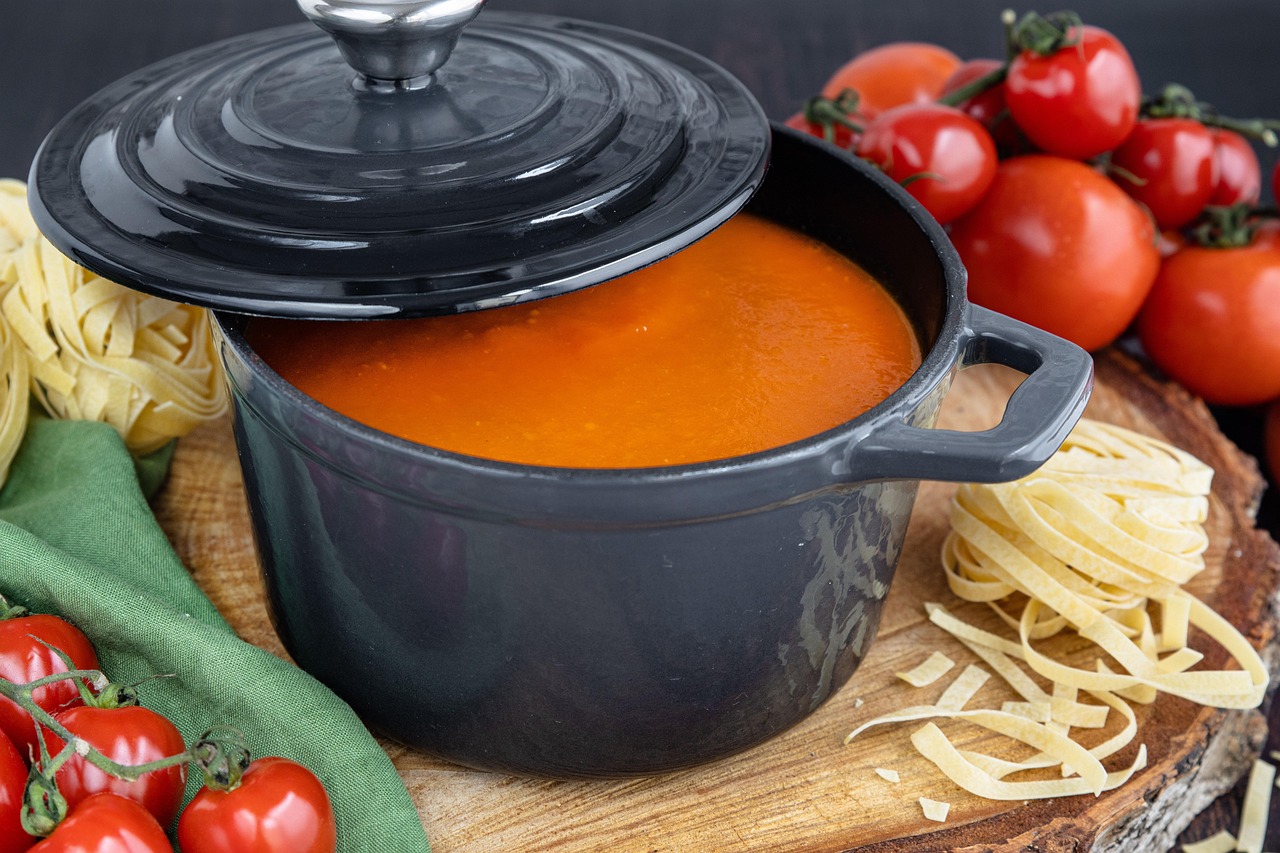
2. Tomato soup. A basic tomato soup made from canned tomatoes, broth, onion, and butter still beats many restaurant bowls dressed up with cream swirls and trendy toppings. The point is acidity, sweetness, and warmth. It is also one of the easiest soups to stretch cheaply, especially when paired with bread or a grilled cheese.
3. Macaroni and cheese. Pasta remains one of the most accessible staples tracked by the Bureau of Labor Statistics, and boxed or simple stovetop mac still delivers what diners want most: salt, softness, and cheese flavor. Expensive restaurant versions often push richness too far, leaving a heavy dish that tastes more indulgent than comforting. Instacart’s holiday consumer data has also shown macaroni and cheese remains a favorite comfort side across generations, especially among younger adults.
4. Mashed potatoes. Potatoes are still one of the strongest value ingredients in the American kitchen. Plain mashed potatoes with butter, milk, salt, and black pepper can outshine loaded steakhouse versions topped with cheese, sour cream, and bacon. The cheaper version tastes better because it stays focused on texture. Good mashed potatoes should be fluffy, savory, and soothing, not a disguised casserole.
5. Buttered noodles. This is the quiet champion of budget comfort food. Dried pasta, butter, parmesan or even just salt, and a little cooking water can make a bowl that lands better than many expensive pasta dishes trying to signal luxury. BLS average-price tracking continues to include spaghetti and macaroni among staple grocery items, and that matters because the dish scales so well for families, students, and anyone cooking on a tight budget.
Five more comfort foods that prove simplicity wins
6. Rice pudding. Rice, milk, sugar, cinnamon, and maybe raisins are all it takes. Rice pudding is cheap because it is built from pantry staples, and it tastes better than many polished dessert versions that overdo vanilla bean, caramel shards, or rich cream. The original appeal is softness and warmth, not drama.
7. Scrambled eggs on toast. Egg prices have been unusually volatile in recent years because of avian flu, but USDA said retail egg prices were 44.7% lower in March 2026 than in March 2025 as production improved. That has helped bring back one of the best low-cost comfort meals in the country. Soft eggs on buttered toast are fast, filling, and hard to improve with upscale additions.
8. Bean chili. A simple pot of chili made with beans, onion, canned tomatoes, and spices remains more satisfying than many pricey menu versions built around expensive meat and oversized garnish lists. Beans stretch flavor and protein at a lower cost, and the leftovers usually taste better the next day. In a tight food budget, few dishes work harder.
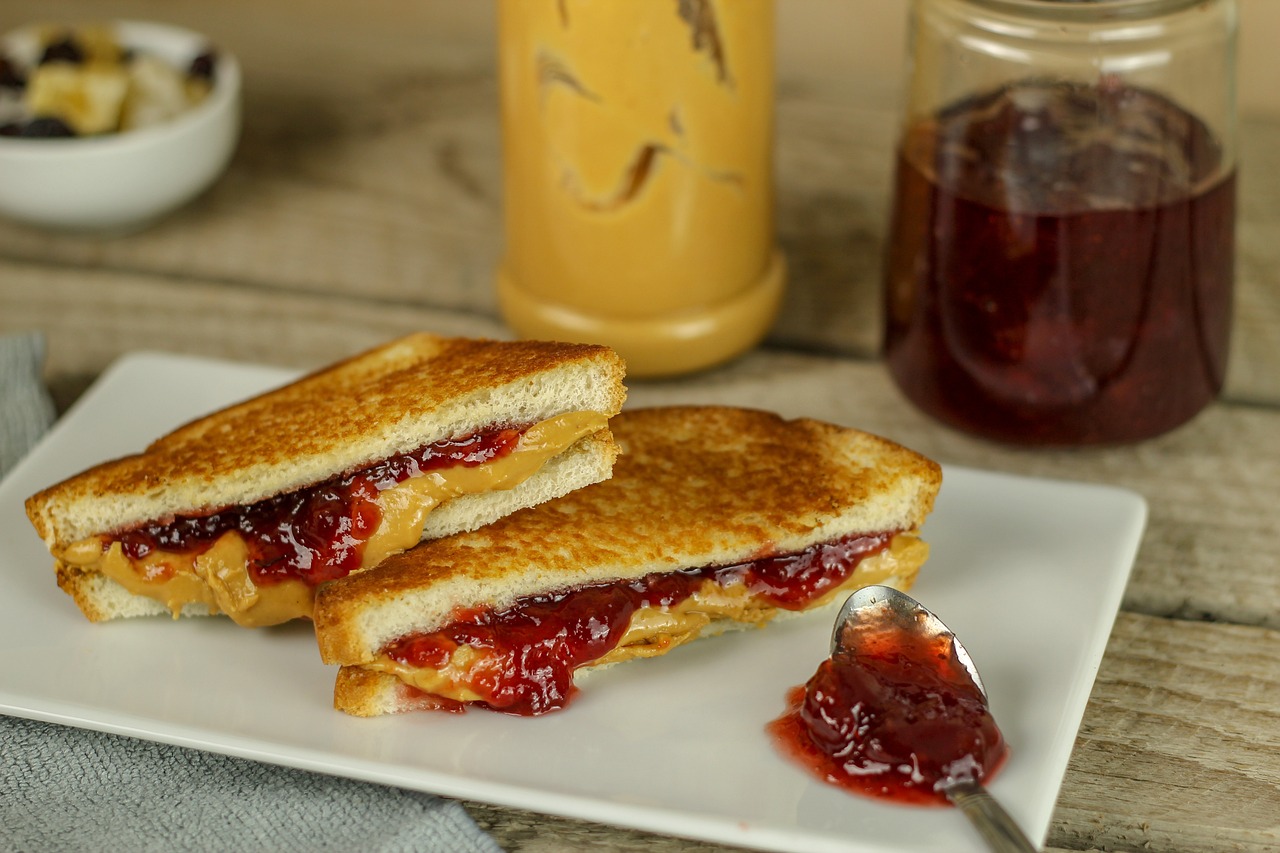
9. Peanut butter and jelly. It is cheap, shelf-stable, and still deeply effective. Gourmet versions with specialty preserves and brioche rarely improve on standard sandwich bread, peanut butter, and jam. The sandwich works because it is balanced, not because it is refined. That combination of salt, fat, and sweetness is already complete.
10. Homemade pizza bread or sheet-pan pizza. Pizza has become more expensive outside the home, but simple homemade versions made with store dough, sandwich bread, or a sheet-pan crust still hit the same comfort notes. Industry reporting in 2025 and 2026 has repeatedly pointed to pizza and burgers as enduring value anchors because consumers still see them as reliable treats. The cheap version wins when the crust is crisp, the sauce is bright, and the cheese is not overthought.
These foods share a pattern. They depend on familiar ingredients with strong sensory payoff, and they do not gain much from premium positioning. In fact, they often lose clarity when dressed up too aggressively.
What the data says about value, nostalgia, and taste
The wider market backs up the comfort-food case. USDA data shows restaurant inflation has been persistently stronger than grocery inflation, and the National Restaurant Association’s menu tracking has shown the industry under pressure to prove value more clearly to diners. That has helped simple, familiar dishes keep their place even as chefs and chains test bolder flavors around them.
Circana has described food and foodservice as the biggest share of the consumer retail spending it tracks, and it has also noted that foodservice occasions cost far more than eating at home. That gap matters because comfort food is one of the easiest categories for consumers to recreate successfully in their own kitchens. Unlike fine dining dishes, these foods do not require specialized equipment or advanced technique. A consumer can make a very good grilled cheese or mashed potato bowl with very little risk of failure.
There is also a psychological advantage. Cheap comfort foods are not just lower in price. They are lower in expectation. That often leads to a better eating experience. A $2 bowl of buttered noodles only has to be warm, silky, and seasoned well. A $24 truffle pasta has to justify itself. When it does not, the disappointment is sharper.
Taste memory is part of this too. Many of these dishes are tied to childhood, family routines, sick days, snow days, or late-night meals after work. Their power comes from repetition and recognition. Consumer research and food trend reporting have repeatedly pointed to nostalgia as a major reason diners keep returning to classic categories. In comfort food, familiarity is not a weakness. It is the product.
That helps explain why expensive versions so often miss. They are trying to impress, while the original dish was only trying to help. In a year when consumers are watching every grocery bill and restaurant tab more closely, that distinction is becoming more important, not less.
Why these foods matter in 2026
This is not just a list built on opinion. It reflects a broader shift in the food economy. Americans are still paying more for meals than they did a few years ago, and while inflation has cooled from its peak, food remains a pressure point. USDA’s forecasts make clear that eating out is expected to stay the costlier lane through 2026, even as some grocery categories stabilize.
That environment gives cheap comfort foods new status. They are no longer fallback meals alone. They are practical answers to an everyday problem: how to eat well, feel full, and avoid overspending. They also let home cooks control portions, salt, richness, and leftovers in a way many restaurant meals do not. In a high-price era, control itself becomes part of the comfort.
There is a useful lesson here for both consumers and the food business. For shoppers, the takeaway is that some of the best meals available are still built from bread, pasta, potatoes, rice, canned tomatoes, beans, and eggs. For restaurants, the message is sharper: if a comfort dish is going to cost more, it has to be clearly better, not just fancier on paper.
The enduring winners are the dishes that stay honest. Grilled cheese should still crunch and pull. Tomato soup should still taste like tomato. Mashed potatoes should still taste like potato and butter. Cheap comfort food succeeds because it respects the original contract with the eater.
In 2026, that may be the clearest food truth of all. Some meals are meant to show off. Others are meant to feel like home. And when the goal is comfort, the cheaper version often gets there first.


